You turn on the faucet, but nothing comes out. You hear the well pump running, yet not a single drop flows. This is a frustrating and urgent problem: your well pump turns on but delivers no water. Left unchecked, it can destroy the pump in minutes. The good news is most causes are identifiable, and many are fixable, before you need to call a professional.
This guide walks you through every possible cause, from simple valve mistakes to deep-well failures. Whether you have a jet pump or submersible system, you will learn how to pinpoint the issue fast and restore water safely.
Turn Off the Pump Immediately
Why Running Dry Destroys Pumps
If your well pump is running but no water flows, shut it off at the breaker right now. Running dry even briefly can cause catastrophic failure. Submersible pumps rely on water for cooling, and without flow, the motor overheats. Insulation melts in just 2 to 5 minutes. Jet pumps lose seal lubrication and impeller cooling when dry, causing seals to burn out quickly.
A minor repair like re-priming can become a $6,000 pump replacement if you ignore the problem.
How to Prevent Cumulative Damage
Never let the pump run more than 30 seconds during testing. Use brief power cycles only for diagnostic checks. Mark your electrical panel so the well pump breaker is clearly labeled.
Check for Closed or Blocked Valves
Simple Fix: Is a Valve Shut
Before diving into complex repairs, check all shutoff valves in your system. Look at the main valve near the pressure tank, inline valves in pump houses or crawl spaces, and any valves that may have been closed after plumbing repairs.
Visually check that handles are aligned with the pipe, indicating they are open, and not perpendicular, which means closed.
One homeowner lost water for days, only to find a valve was accidentally turned during filter replacement.
Common Mistake: Forgotten Post-Maintenance Closures
After replacing filters or servicing the system, it is easy to leave a valve closed. Always do a post-repair walkthrough. Start at the well head, follow the line to the pressure tank, and confirm every valve is fully open.
Test the Pressure Gauge Response
What the Gauge Tells You
After turning the pump back on briefly for 10 to 30 seconds, watch the pressure gauge. No rise and it stays at zero means the pump is not moving water, likely due to a dry well, lost prime, or failed impeller. If it rises then drops fast, that suggests a leak, failed check valve, or waterlogged tank. Turn off the pump immediately after observing.
Gauge Reading Diagnostic Guide
The gauge behavior provides important diagnostic clues. A reading that stays at zero psi indicates no suction, which could mean an air leak or dry well. A slow climb then stop suggests partial restriction or low yield. A spike then plummet points to a failed check valve or pipe leak.
Diagnose Jet Pump Loss of Prime
Why Jet Pumps Lose Prime
Jet pumps rely on a sealed water column in the suction line. If air enters, the vacuum breaks and the pump loses prime, unable to draw water. Common causes include leaking above-ground fittings, a failed foot valve that lets water drain back, and a cracked well cap or loose pitless adapter.
How to Re-Prime a Jet Pump
Turn off power at the breaker. Locate the priming plug on top of the pump housing and remove it. Fill the chamber with 3 to 5 gallons of clean water using a funnel. Replace and tighten the plug. Restore power and listen.
Success is indicated when the sound shifts from a high-pitched whine to a deep hum within 60 seconds. If it fails, repeat the process 2 to 3 times. If there is still no water, a leak exists.
Foamy water after re-priming indicates air entrainment, a strong sign of a suction leak.
Find and Fix the Air Leak
If the pump keeps losing prime, inspect all above-ground PVC joints, clamps, and fittings. Pressure test the suction line by plugging the discharge and pressurizing with air. Replace the foot valve if it is older than 5 years.
Inspect the Pressure Tank

Is Your Tank Waterlogged
A failed bladder in the pressure tank can mimic pump failure. Symptoms include the pump cycling every 10 to 30 seconds, the tank feeling heavy or sloshing when tapped, and no water delivery despite the pump running.
How to Check Pre-Charge Pressure
Turn off the pump and drain the tank by opening a faucet. Use a tire gauge on the Schrader valve on top of the tank. Compare the reading to your cut-in pressure. For a 30/50 psi switch, the pre-charge should be 28 psi. For a 40/60 psi switch, it should be 38 psi.
If water sprays from the valve, the bladder is ruptured and the tank needs replacing.
Fix: Recharge or Replace
Use an air compressor to re-pressurize the tank if the bladder is intact. Replace the tank if it is damaged, which typically costs $400 to $1,200.
Clear a Clogged Pressure Switch
Most Common Cause of No Water
The pressure switch controls pump operation. When clogged, it cannot sense pressure, so the pump runs endlessly or does not activate at all. Failure points include a clogged pressure sensing tube, a blocked switch nipple, and corroded contacts or loose wires.
How to Clean the Pressure Switch
Turn off the 240V power. Remove the switch cover or disconnect the sensing tube. Use a small screwdriver or wire to clear debris from the nipple. Blow out the tube with compressed air. Spray contacts with electronics contact cleaner that is non-oily.
Test with a multimeter for continuity if you are unsure.
Danger: Uncontrolled Pressure Buildup
A stuck-closed switch can let pressure climb to 120 psi or more, enough to burst pipes, destroy water heaters, and rupture nylon toilet supply hoses that are rated for only 60 to 80 psi.
Diagnose Low Water Level
Is Your Well Running Dry
Even if the pump runs, it cannot pull water if the water table is below the intake. Triggers include drought or seasonal drop, heavy irrigation drawing 10 gallons per minute from a 3 GPM well, and simultaneous household use during high demand.
Quick Recovery Test
Turn off the pump for 30 to 60 minutes. Briefly restart. If water returns, the well was temporarily drawn down. No recovery after 24 hours suggests aquifer depletion or structural failure.
Confirm Water Level
Lower a weighted string or tape into the well. Measure the depth to water and compare it to the pump intake depth, typically 10 to 20 feet above the bottom. If water is only inches below the intake, the well is functionally dry.
Long-Term Solutions
Install a low-water cutoff switch for $100 to $200 to shut off the pump when water is too low. Reduce peak demand with irrigation timers or storage tanks. Consider well deepening or a new well if the aquifer is depleted.
Check for Frozen or Leaking Pipes
Frozen Pipes: Winter Problem
If the pump runs but no water flows during cold weather, frozen pipes may be the culprit. At-risk areas include unheated pump houses, above-ground lines, and wellheads in cold climates.
How to Thaw Pipes Safely
Use heat tape, a hair dryer, or a heat lamp. Never use open flame because it risks fire or cracked pipe. Insulate exposed lines and add heat tape with a thermostat for prevention.
Leaking Drop Pipe or Supply Line
A cracked or split pipe between the well and house stops water flow even if the pump works. Signs include wet spots or soggy ground along the pipeline route, air bubbles in water if the leak is above the water table, and the pump running while the pressure gauge does not climb.
Diagnose Submersible Pump Failure
When the Pump Runs But Does Nothing
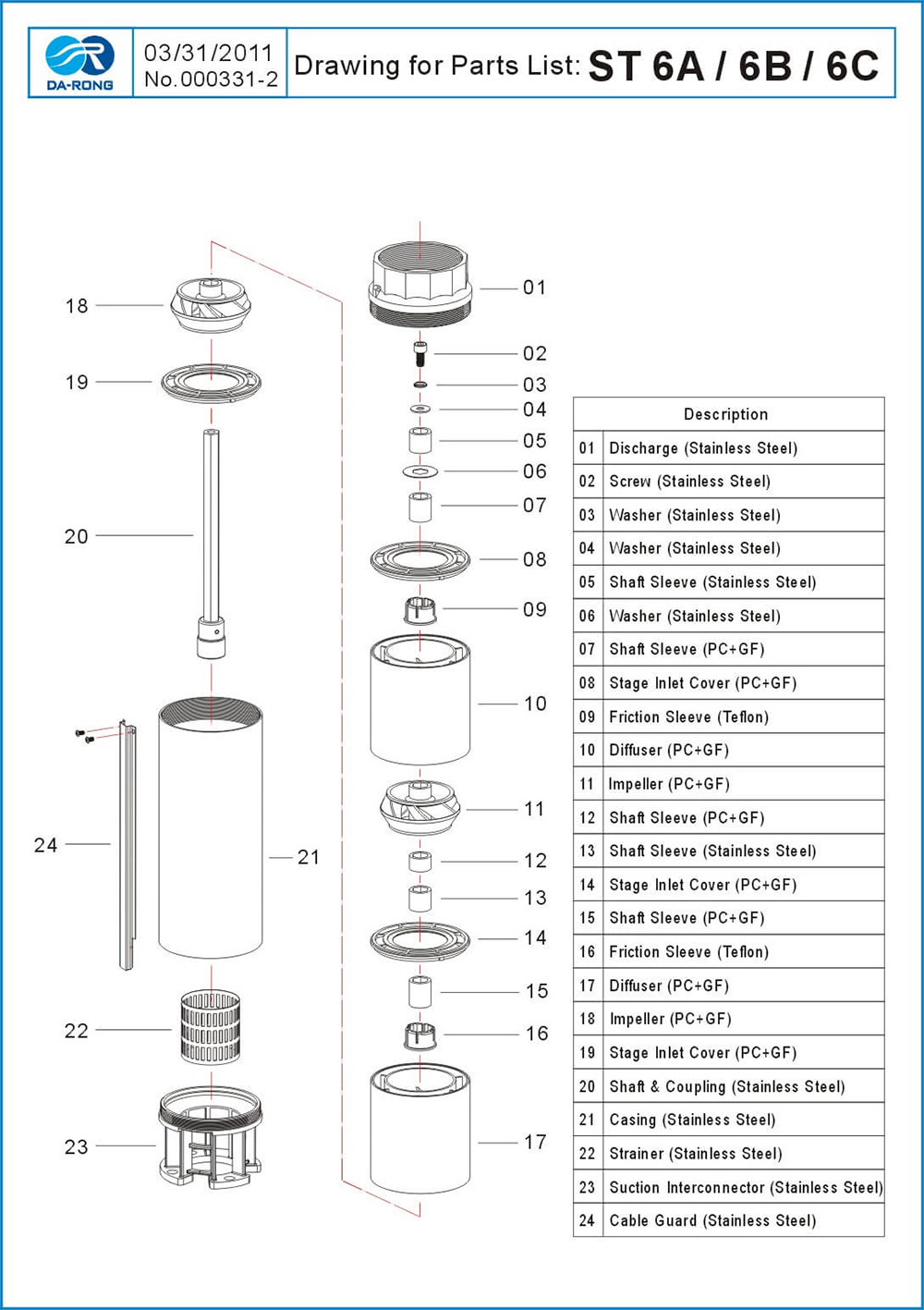
Submersible pumps are reliable, but when they fail, it is often internal. Common failures include worn or broken impellers where the motor runs but no water moves, a shaft disconnect where the motor spins but impellers do not, cable or splice failure where power does not reach the motor, and motor burnout from dry running or voltage surge.
How to Test Amp Draw
Use a clamp meter on the control box wires. Normal amps with no water indicates damaged impellers. Low or no amps indicates electrical failure involving the motor, cable, or switch.
Pump older than 10 to 15 years likely needs replacement.
Repair Requires a Professional
You cannot fix a submersible pump yourself. It requires a pump hoist or well rig, proper safety gear and training, and inspection of drop pipe and wiring. Call a licensed well contractor.
Replace Failed Check or Foot Valve
Why the Foot Valve Matters
The foot valve at the bottom of the drop pipe prevents water from draining back into the well. If it fails, the entire water column drains, the pump loses prime, and you must re-prime every time.
Symptoms include pressure dropping to zero after the pump shuts off and re-priming temporarily fixing the issue.
How to Fix
Re-prime the pump for jet systems. Replace the foot valve or inline check valve, located at the pump discharge or bottom of the drop pipe. Cost is $20 to $50 for parts, but labor is intensive.
Clear Clogged Filters or Screens
Is a Filter Blocking Flow
A clogged sediment filter is one of the easiest and most overlooked causes. Check the whole-house filter housing and pre-filter before the pressure tank. If the canister is full of sand, rust, or debris, shut off water, open the bypass valve if equipped, and replace the cartridge.
One homeowner had zero water, and the filter was completely plugged.
Deeper Clogs: Well Screen or Pipe Scale
The well intake screen may be clogged with silt or minerals. The drop pipe may be scaled shut from iron bacteria or calcium. Fixes include chemical descaling for iron or mineral buildup, high-pressure flushing, and pulling the pump to clean or replace the screen.
When to Call a Pro
Emergency Signs
Call a licensed well contractor immediately if there is a burning smell or electrical odor, grinding, screeching, or banging noises, no water after 8 or more hours of waiting, or if the household depends on water for infants or medical needs.
Schedule Service If
Schedule service if the problem recurs monthly indicating a low-yield well, the pump is 12 or more years old, you suspect a submersible pump, drop pipe, or casing issue, or you need a water level test or yield measurement.
What to Tell the Technician
Provide information about when the problem started and whether it was sudden or gradual. Mention activities during failure like irrigation or heavy use. Describe any sounds, smells, or visual clues. List troubleshooting you have already tried. Provide the pump age and well depth if known.
Prevent Future Failures
Maintenance Schedule
Check tank pre-charge every 6 months. Inspect the pressure switch annually. Test pump operation annually. Replace the sediment filter every 3 to 6 months. Schedule a professional well inspection every 2 to 3 years.
Proactive Upgrades
Install a low-water cutoff switch to prevent dry-run damage. Add a water hammer arrestor to stop pipe shock from air slugs. Use stainless steel supply hoses to avoid burst failures under high pressure. Consider monitoring with smart sensors that can predict failures before they happen.
Frequently Asked Questions About Well Pump Running But No Water
Why does my well pump run but produce no water
This happens when the pump is running but cannot draw or deliver water. Common causes include a dry well with low water table, lost prime in jet pumps, a failed check valve or foot valve, frozen or leaking pipes, a clogged pressure switch, or a faulty submersible pump. The pump may also be running but the impellers are damaged.
How do I fix a well pump that lost prime
For jet pumps, turn off the power and remove the priming plug on top of the pump housing. Fill the chamber with 3 to 5 gallons of clean water using a funnel. Replace the plug tightly and restore power. If the pump loses prime repeatedly, there is likely an air leak in the suction line or the foot valve is failed.
Can a well pump run dry and be damaged
Yes, running dry causes rapid damage. Submersible pumps overheat within 2 to 5 minutes without water cooling, melting the motor insulation. Jet pumps lose seal lubrication and impeller cooling. A $50 repair can become a $6,000 pump replacement if ignored.
How do I know if my well is running dry
Turn off the pump for 30 to 60 minutes, then briefly restart. If water returns, the well was temporarily drawn down. If there is no recovery after 24 hours, the well may be dry or the aquifer depleted. You can also lower a weighted string into the well to measure the water level.
What does a clogged pressure switch feel like
A clogged pressure switch causes the pump to cycle rapidly, run continuously, or deliver intermittent water. You may hear rapid clicking every few seconds. The pressure gauge may show normal pressure, but the switch does not respond correctly. Cleaning the nipple and sensing tube often fixes this.
Should I replace my well pump myself
Submersible pump replacement requires professional equipment like a pump hoist or well rig. Attempting this yourself can damage the well casing or drop pipe. For jet pumps, re-priming and valve replacement are doable for DIYers, but electrical work and pressure tank replacement are best left to professionals.
Key Takeaways for Fixing Your Well Pump
A well pump that runs but delivers no water is a time-sensitive emergency. The most common causes are lost prime in jet pumps, a failed foot valve or check valve, a clogged pressure switch, low water table, and frozen or leaking pipes. Always turn off the pump immediately to prevent dry-run damage, and use the pressure gauge test to narrow down the cause.
Simple fixes like re-priming a jet pump or cleaning a pressure switch can save you thousands of dollars. However, submersible pump failure, drop pipe leaks, and well casing issues require a licensed well contractor. Regular maintenance, including checking tank pre-charge, replacing filters, and inspecting the pressure switch, prevents most failures. Act fast, follow this guide, and you will either restore water or know exactly when to call a professional.