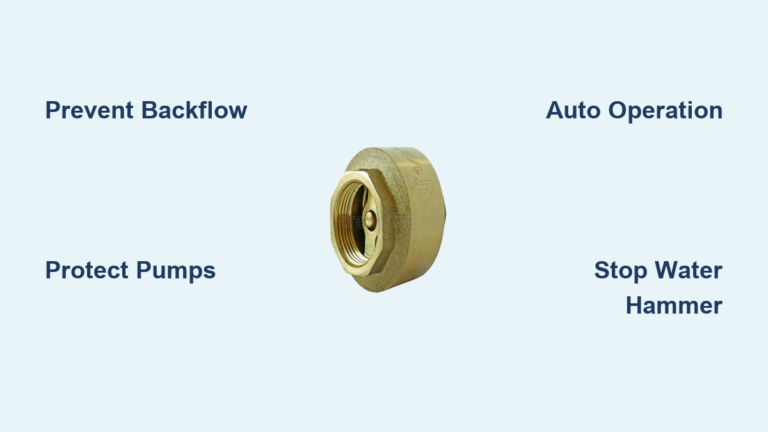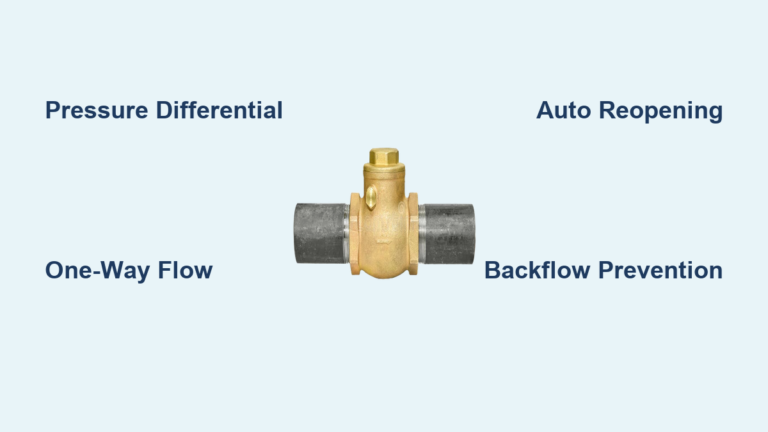
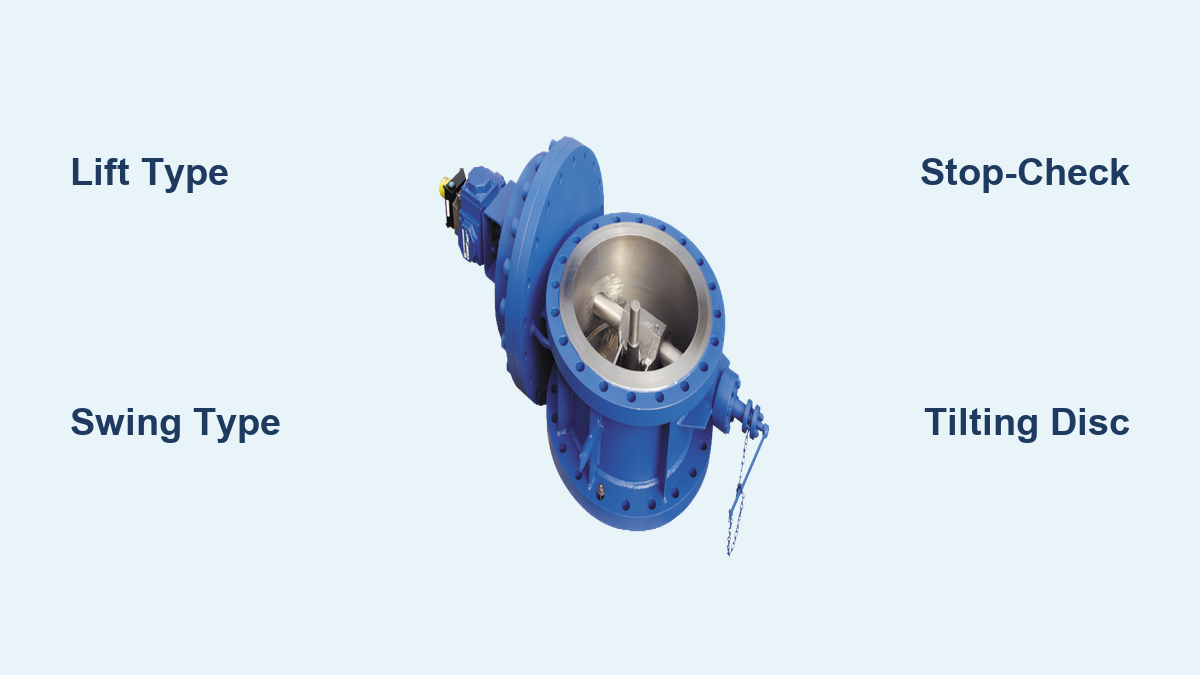
Steam systems depend on reliable components to maintain safe and efficient operation. Among these, steam check valve types play a vital role by preventing reverse flow in steam lines. Without proper check valves, condensate or pressurized steam can travel backward, causing water hammer, equipment damage, or system failure.
This guide explains the most common steam check valve types, how each design operates, and where they perform best. You will learn about lift, swing, stop-check, ball, and tilting disc configurations, along with selection criteria, troubleshooting tips, and maintenance practices for long-term reliability.
Lift Check Valves for High-Pressure Steam Systems

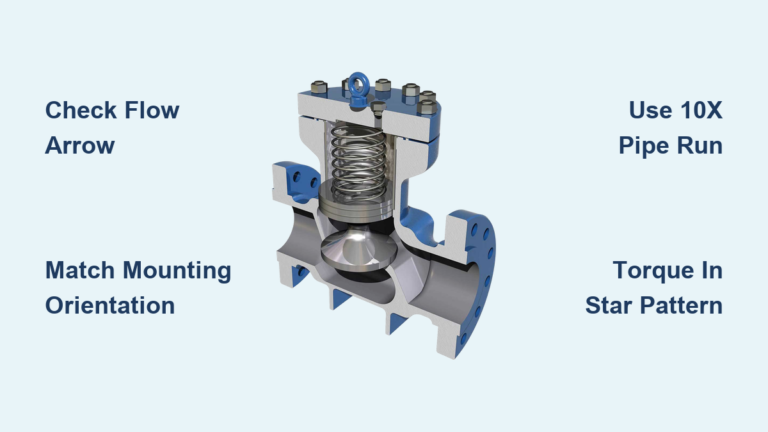
Lift check valves use a guided disc that moves vertically inside a chamber. Forward steam pressure lifts the disc off its seat, and gravity plus backpressure reseat it when flow stops or reverses.
- Ideal for vertical or horizontal pipelines with upward flow
- Delivers tight shutoff through precise disc-to-seat alignment
- Best suited for high-pressure steam service
- Often integrated with globe-style bodies for manual isolation
These valves respond quickly to flow changes, making them valuable in systems with rapid cycling. The trade-off is a higher pressure drop due to the restrictive flow path.
Swing Check Valves for Large-Diameter Steam Lines
Swing check valves feature a hinged disc that opens with forward flow and closes when flow reverses. Their full-bore, straight-through design minimizes turbulence and pressure loss across the valve.
- Suitable for large-diameter steam lines
- Common in low to medium pressure applications
- Installable horizontally or vertically with upward flow
- Prone to water hammer if closure is too slow
A key drawback is disc slamming, which creates noise, vibration, and potential damage under high velocity. Silent or damped swing check valves address this issue using spring assistance or counterweights.
Stop-Check Valves for Critical Steam Isolation
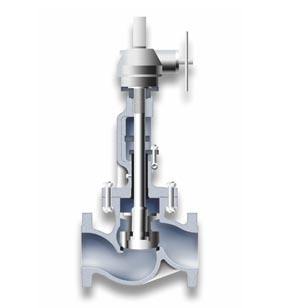
Stop-check valves merge the functions of a check valve and a globe valve. They provide automatic backflow prevention during normal operation and allow manual shutoff when needed.
- Functions as a standard check valve during normal flow
- Manually closable using a handwheel even with upstream pressure
- Used in critical steam lines requiring isolation without draining
- Common in boiler feedwater and turbine bypass systems
This dual functionality makes stop-check valves ideal for emergency shutdowns or maintenance access without depressurizing the entire system.
Ball Check Valves for Low-Pressure Steam Applications
Ball check valves use a spring-loaded spherical ball to block reverse flow. Specialized versions serve low-pressure steam applications, though they are more common in liquid systems.
- Compact design fits tight spaces
- Fast response due to lightweight ball
- Limited durability in high-temperature steam environments
- Not recommended for high-pressure or continuous steam service
Thermal expansion and seat degradation limit their use in main steam lines, but they may appear in auxiliary or instrumentation circuits.
Tilting Disc Check Valves for Variable Flow Systems
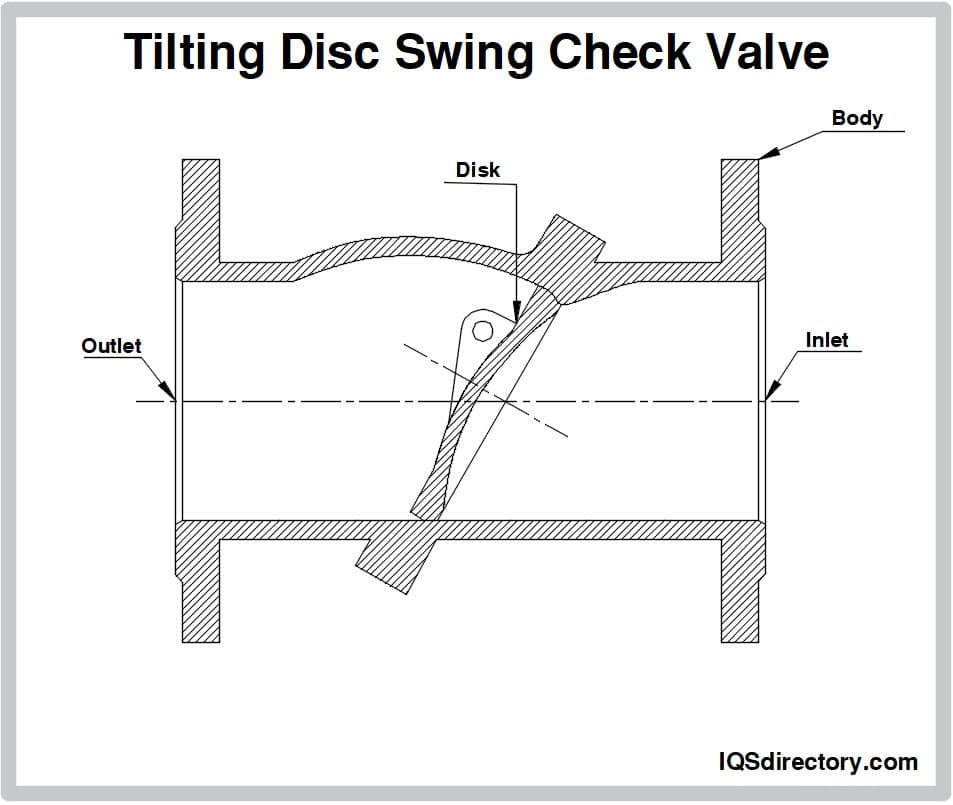
Tilting disc check valves use a pivot-mounted disc that opens with minimal flow and closes rapidly under reverse pressure. This design offers faster response and reduced wear compared to traditional swing types.
- Lower cracking pressure than swing checks
- Resists slamming and water hammer
- Compact and lightweight compared to swing types
- Ideal for variable flow steam systems
Their geometry reduces wear and improves sealing in systems with fluctuating pressures. Many facilities choose them as upgrades over traditional swing checks in modern steam installations.
Selection Criteria for Steam Check Valve Types
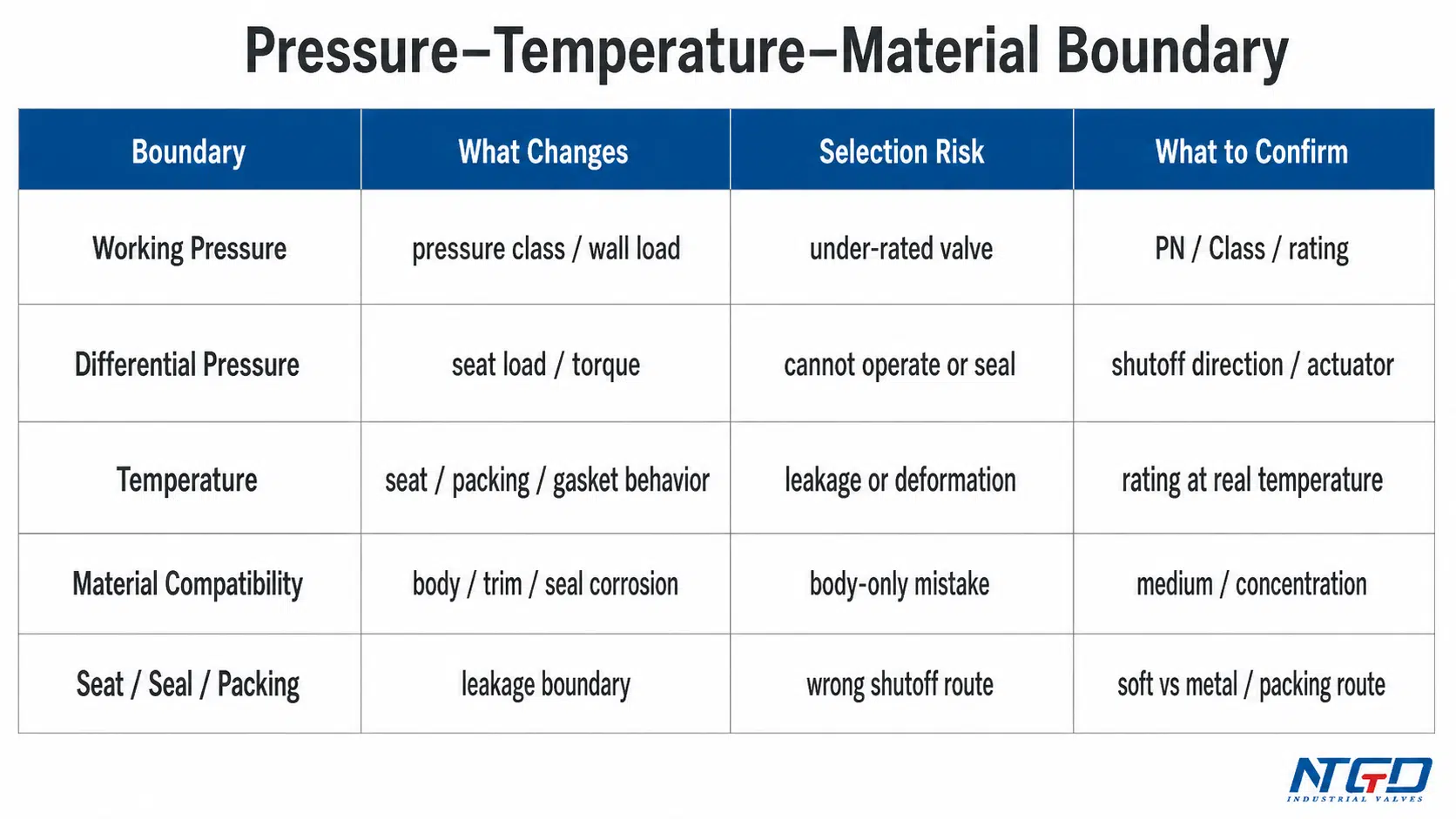
Choosing the right steam check valve types depends on multiple technical and operational factors. Misapplication leads to inefficiency, frequent maintenance, or safety risks.
Pressure and Temperature Ratings
Steam systems operate under demanding conditions. Valves must be rated for the maximum operating pressure, saturated or superheated steam conditions, and thermal expansion of internal components. Always select valves with pressure-temperature ratings that exceed system maxima for long-term reliability.
Cracking Pressure Considerations
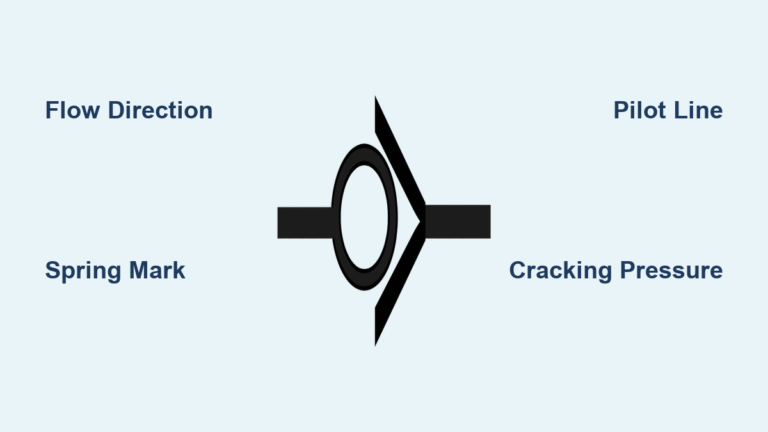
Cracking pressure is the minimum upstream pressure required to open the valve. Values that are too high delay startup and cause condensate buildup, while values that are too low risk premature opening or leakage. Lift and tilting disc valves typically have higher cracking pressures than swing types.
Flow Direction and Installation Orientation
Most check valves are directional and fail to function when installed incorrectly.
- Markings indicate flow direction and must align with piping
- Vertical installations require upward flow for proper disc movement
- Horizontal runs must avoid sagging that affects disc return
Improper orientation prevents the disc from seating and causes continuous backflow.
Material Compatibility for Steam Service
Steam check valves are commonly manufactured from cast steel for high-pressure service, bronze for low-pressure auxiliary lines, and stainless steel for corrosive or food-grade applications. Seats and discs may use stellite, PTFE, or metal-to-metal seals depending on temperature and wear resistance needs.
Common Issues and Troubleshooting Steam Check Valves
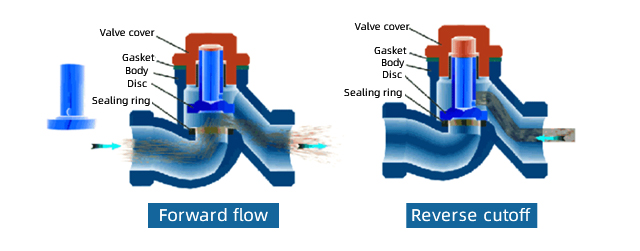
Even well-chosen steam check valve types can fail without proper maintenance or when system conditions change unexpectedly.
Water Hammer and Disc Slamming
Rapid valve closure, especially in swing types, causes water hammer and disc slamming. Prevention methods include installing silent or damped check valves, using variable frequency drives on pumps, and ensuring proper slope and trap placement to remove condensate.
Leakage and Seat Damage
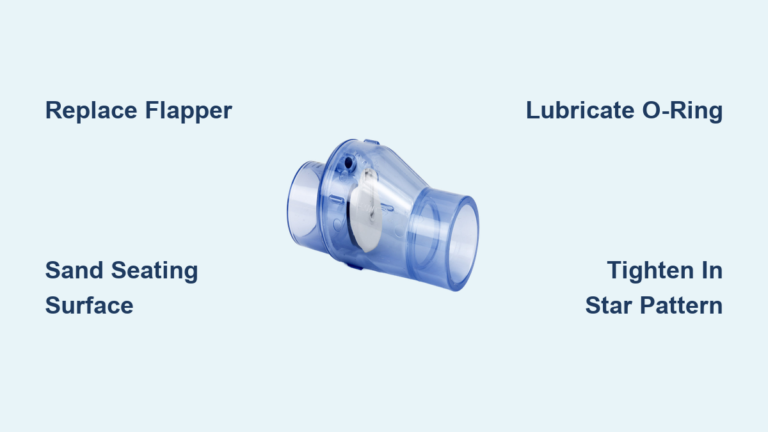
Internal leakage often results from erosion caused by wet steam or debris, thermal cycling that warps seats, or improper closure due to misalignment. Regular inspection combined with seat lapping or replacement restores reliable sealing.
Sticking or Failure to Open
Discs may stick due to condensate accumulation, corrosion or scale buildup, or incorrect installation orientation. Keep steam lines properly drained and ensure valves remain accessible for cleaning.
Maintenance and Best Practices for Steam Check Valves
Proper care extends valve life and maintains system integrity across demanding steam service conditions.
Recommended Inspection Intervals
- Annually for general service applications
- Every six months in critical or high-cycle applications
- After any system upset or water hammer event
During inspections, check for external leaks, disc mobility, seat condition, and guide rod wear in lift valves.
Cleaning and Reconditioning Procedure
- Isolate and depressurize the valve
- Remove the bonnet and extract internal parts
- Clean disc, seat, and chamber with steam-safe solvents
- Inspect for pitting or erosion
- Reface or replace damaged components
- Reassemble and test
Always use OEM parts to ensure dimensional and material compatibility.
Preventive Upgrade Strategies
Consider upgrading older swing check valves to tilting disc or silent check designs to reduce noise, vibration, and maintenance frequency. In high-pressure systems, replace bronze valves with steel-bodied units for improved durability under thermal stress.
Industry Applications for Steam Check Valve Types
Different industries rely on specific steam check valve types based on their unique operational demands and regulatory requirements.
Power Generation Facilities
Power plants use large swing and stop-check valves in turbine bypass and feedwater lines. These applications require ASME-certified, high-pressure rated valves with a focus on reliability and fail-safe operation.
Food and Beverage Processing
Food processors prefer stainless steel hygienic designs and typically use lift or tilting disc valves in process steam lines. Valves in this sector must meet 3-A or FDA compliance standards.
Chemical Processing Plants
Chemical facilities handle corrosive or high-temperature steam and employ alloy or lined valves with metal seats. Priority is given to leak-tight shutoff and chemical resistance.
HVAC and Commercial Buildings
HVAC systems use bronze or cast iron swing checks in heating applications. Although operating at lower pressures, high cycling demands durable seals and often includes manual