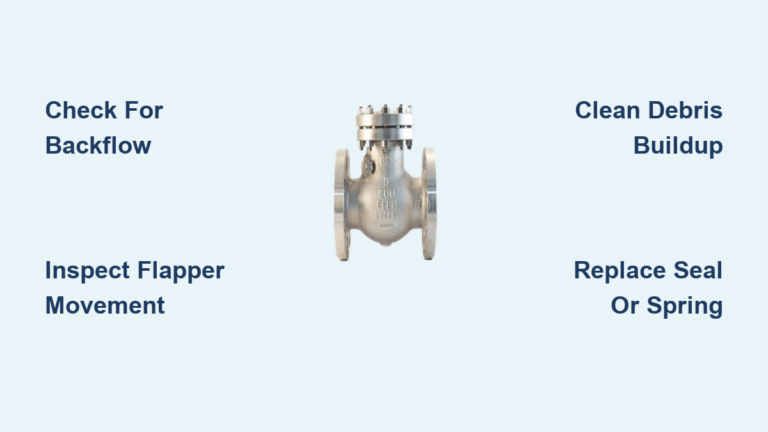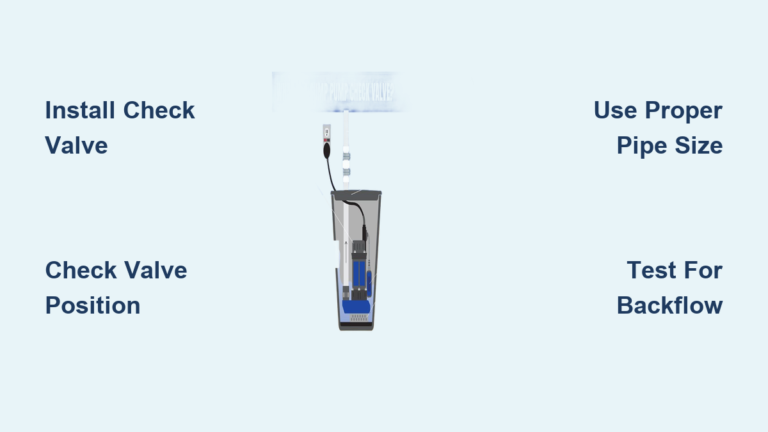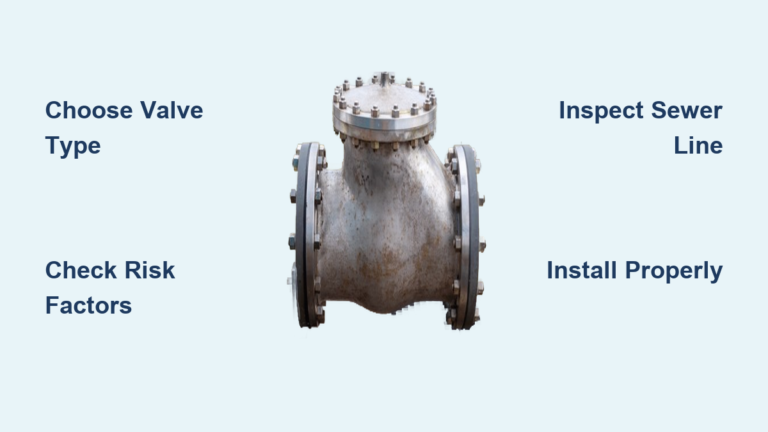
Imagine turning on your faucet only to find contaminated water flowing from the tap, water that should have stayed safely downstream. Or picture a powerful industrial pump spinning backward because fluid surged in reverse, leading to costly damage. These scenarios are prevented by a small but vital device: the check valve.
The purpose of a check valve is simple yet critical. It allows fluid or gas to flow in one direction while automatically blocking reverse flow. Unlike manual valves, it operates without human intervention, responding solely to pressure changes in the system. In this guide, you’ll learn how check valves work, where they’re used, what can go wrong, and how to choose the right one for your needs.
Core Function: Stop Reverse Flow Automatically
The most essential role of a check valve is preventing backflow. This goes beyond blocking water from flowing backward. It protects entire systems from failure.
How It Responds to Pressure Changes
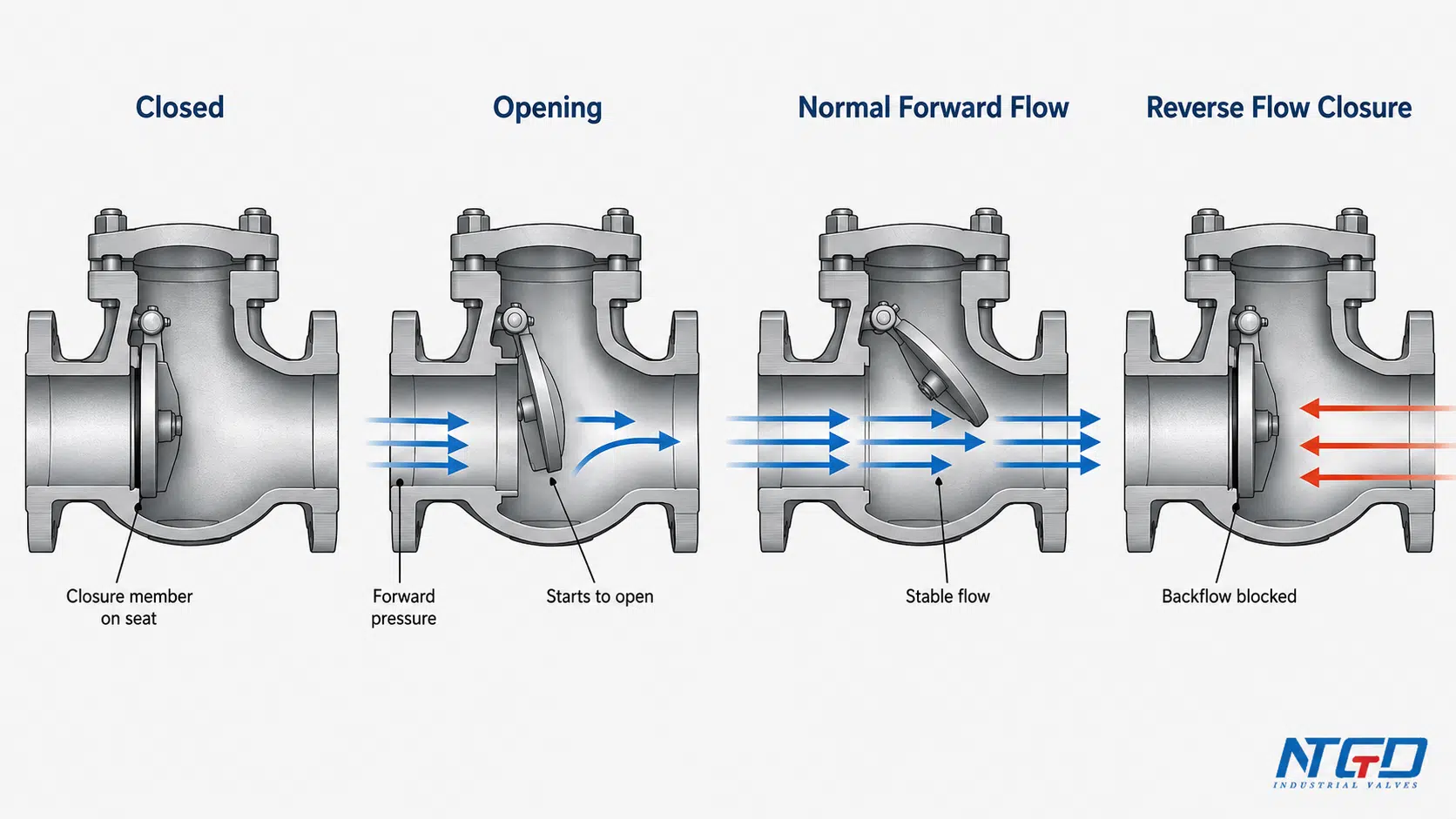
A check valve works using differential pressure, the difference between upstream and downstream pressure. When upstream pressure exceeds downstream pressure by a minimum threshold called cracking pressure, the valve opens. When flow slows, stops, or reverses, the valve closes instantly.
- Forward flow pushes the internal disc, ball, or diaphragm open
- Reverse flow or pressure drop seals the closing mechanism against its seat
- No levers, switches, or human input are required
This self-actuating design makes check valves ideal for remote, automated, or high-risk systems.
Why Unwanted Backflow Is Dangerous
Backflow causes more than inefficiency. It creates serious problems:
- Pump damage from reverse spinning, overheating motors, and wearing seals
- Contamination when dirty water, chemicals, or gases enter clean lines
- System inefficiency from lost prime or pressure, increasing energy use
- Water hammer from sudden valve closure creating damaging pressure surges
By stopping reverse flow immediately, check valves protect both equipment and public health.
Protect Equipment From Damage and Downtime
One of the most valuable purposes of a check valve is safeguarding expensive machinery. Pumps, compressors, and boilers all benefit from this protection.
Prevent Pump Backspin and Burnout
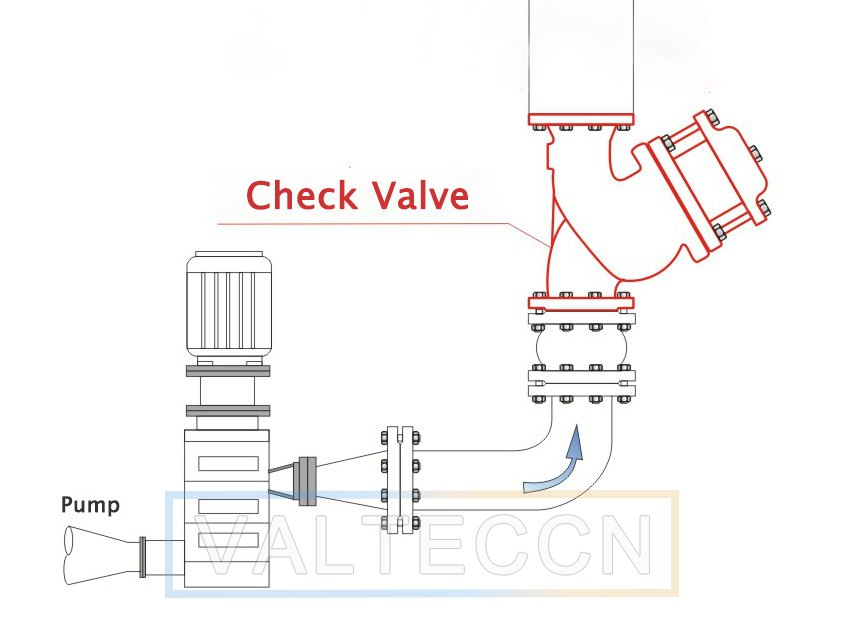
When a pump shuts off, gravity or downstream pressure can force fluid backward through the impeller. This causes the pump to spin in reverse, leading to mechanical stress on bearings, motor overload, and seal failure. A discharge check valve installed on the pump outlet stops this reverse flow instantly.
Pro Tip: Always install a check valve on vertical pump discharges. Without it, the entire column of water can collapse back into the pump when it turns off, causing violent water hammer.
Keep Pumps Primed and Ready
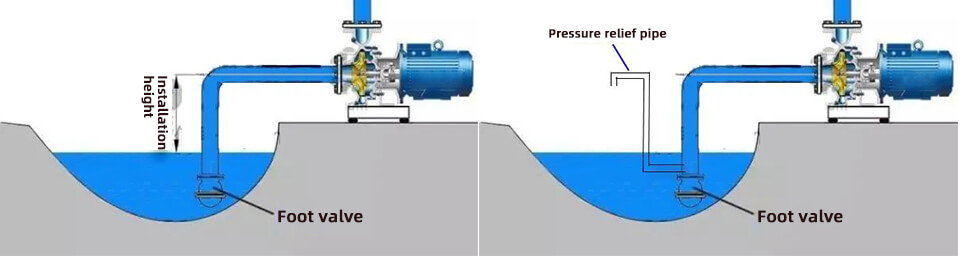
Pumps that lose their prime suffer from cavitation or dry-running damage. A foot valve, a type of check valve with a built-in strainer, installed at the end of a suction pipe keeps the pump filled.
- Prevents water from draining back into the source when the pump