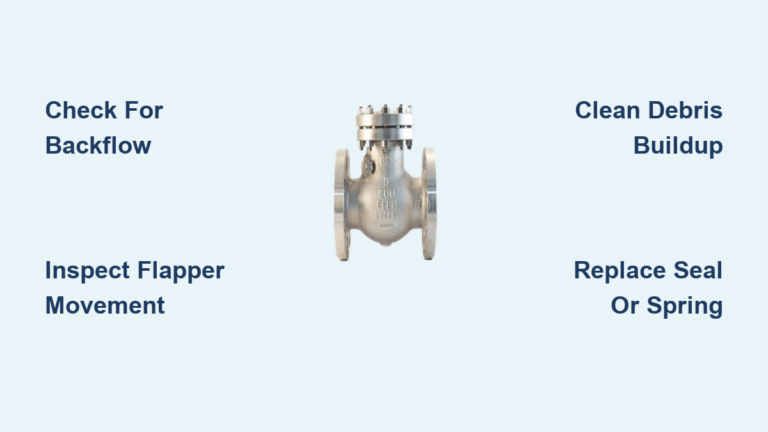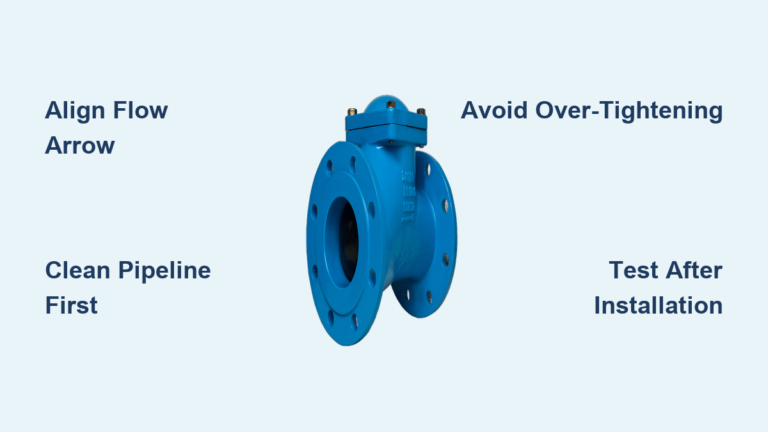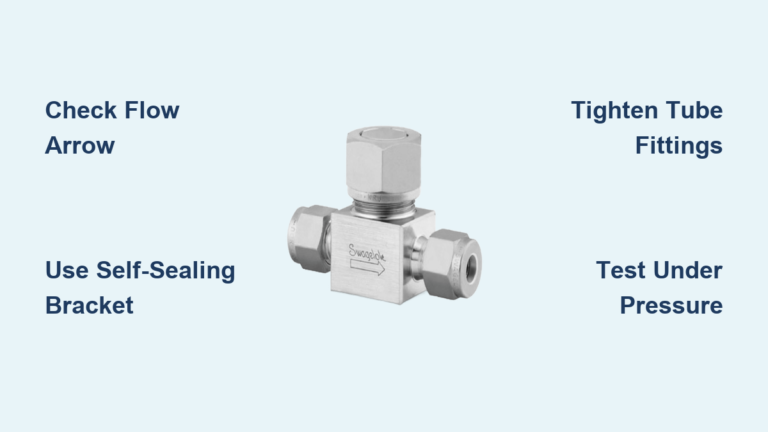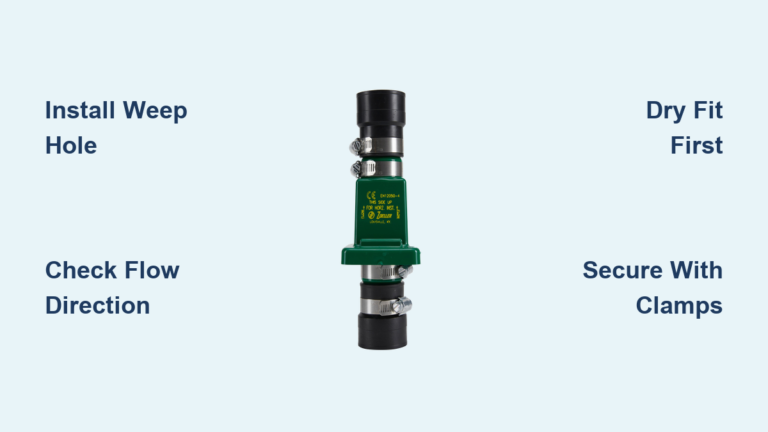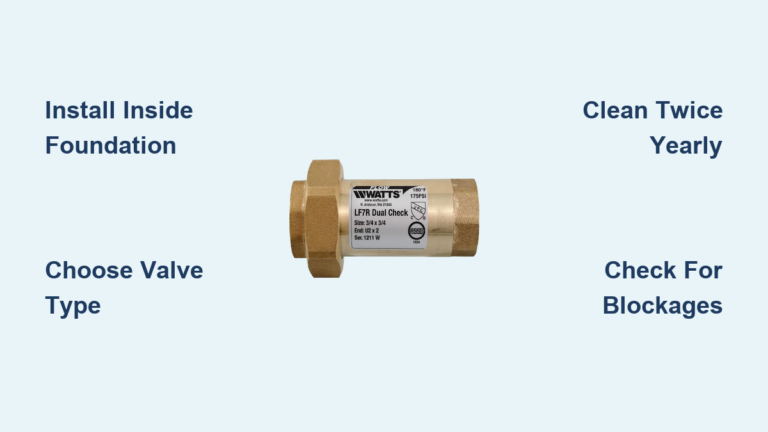
A loud bang from your sump pump at 3 a.m. is not just bad luck. A noisy check valve signals real trouble brewing in your plumbing system. Whether you hear a single metallic clunk when the pump shuts off or rapid chatter during operation, the sound points to specific mechanical issues that demand attention. Ignoring these noises can lead to pipe damage, premature pump wear, and even basement flooding.
Most noisy check valve problems are not actually valve failures. They are symptoms of larger system dynamics like hydraulic shock, failed pressure tanks, debris buildup, or poor valve selection. This guide walks you through the causes, diagnostics, and proven fixes for each noise type. You will learn how to silence the racket, protect your plumbing, and avoid wasting money on parts that do not solve the real problem.
Diagnose the Noise Type Before Replacing Anything

The sound your system makes tells you exactly where to look. Identifying the noise type is the first step toward a real fix.
Is It a Single Clunk at Shutdown?
A sharp metallic clunk that occurs the instant your pump turns off is classic hydraulic shock, also called water hammer. This noise is normal for standard gravity-closing check valves but is completely fixable.
- Water flows backward when the pump stops, slamming the flapper shut.
- Repeated shock stresses pipes, joints, and the valve itself.
- Upgrading to a spring-loaded quiet check valve eliminates the slam.
Is It Rapid Chatter During Operation?
A rhythmic banging, vibrating, or chattering noise while the pump runs indicates system instability. The valve is reacting to pressure swings, not failing on its own.
- The valve opens and closes rapidly due to unstable pressure.
- A failed pressure tank diaphragm is the most common trigger.
- Debris blocking smooth valve movement is the secondary trigger.
- Replacing the valve alone will not fix this problem.
Stop the Clunk by Eliminating Hydraulic Shock

The shutdown clunk comes from flow reversal and water hammer. Standard valves allow backflow before closing, but spring-loaded quiet valves prevent it entirely.
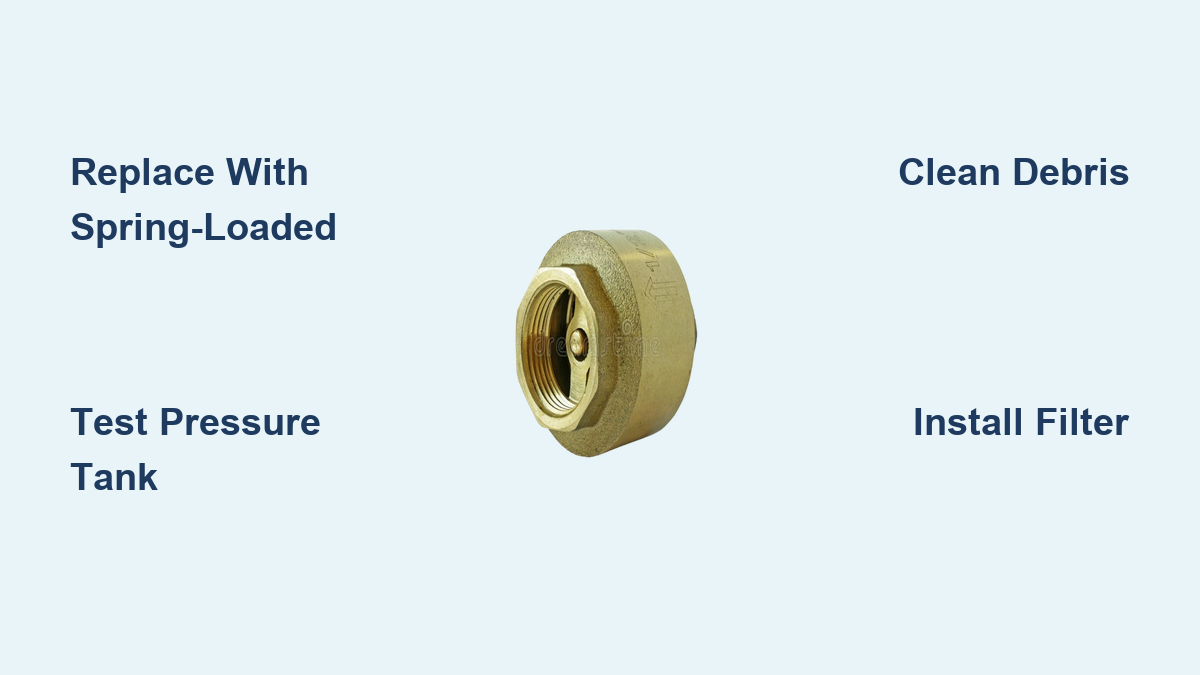
Install a Spring-Loaded Quiet Check Valve
This is the most effective fix for shutdown noise in any residential sump system.
- A spring forces the flapper to close before flow reverses.
- No backflow means no slam and no water hammer.
- Recommended models include Basement Watchdog and Zoeller Quiet Check designs.
- Ensure the flow direction arrow matches pipe flow during installation. Reversing it prevents proper closure.
Verify Your Pump and Discharge Setup
Even with a quiet valve, poor installation can amplify any remaining noise.
- Check that the discharge pipe is securely fastened to nearby structures.
- Confirm the pump sits firmly on the pit bottom without wobbling.
- Secure loose pipes with straps to dampen vibration transfer.
- A shifting pump turns small shocks into loud vibrations throughout the house.
Silence the Chatter by Fixing System Instability
Chatter means your system cycles too fast. The check valve is reacting to pressure instability caused by a failing pressure tank or dirty water.
Test for Pressure Tank Failure
A ruptured diaphragm is the leading cause of chattering in well and sump systems. The tank loses its air cushion, forcing the pump to cycle rapidly.
Confirm Rapid Pump Cycling
- Observe whether the pump turns on and off every 30 to 60 seconds.
- A normal cycle runs 5 to 10 minutes between starts.
- Frequent cycling means no air cushion remains in the tank.
Check the Air Charge in the Tank
- Turn off power to the pump at the breaker.
- Drain the tank by opening a faucet until water stops flowing.
- Use a tire gauge to check air pressure at the Schrader valve on top of the tank.
- The correct setting is 2 psi below the pump cut-in pressure. For a 30/50 switch, set the tank to 28 psi.
- If pressure is low, recharge with an air compressor.
- If pressure drops again shortly after, the diaphragm is ruptured and the tank needs replacement.
Replace a Failed Pressure Tank
When the tank cannot hold air, replacement is the only lasting solution.
- Bladder tanks allow internal bladder replacement on some models.
- Diaphragm tanks are often non-serviceable and require full replacement.
- Consider installing a new pressure switch and gauge when replacing the tank, since age often correlates.
- Keep a spare quiet check valve on hand for future service.
Eliminate Debris-Related Noise
Sediment, sand, and rust can jam a check valve, causing noise and premature failure. Water quality plays a major role in valve longevity.
Inspect and Clean the Check Valve
A thorough cleaning often restores quiet operation without replacement.
- Shut off the pump and relieve system pressure.
- Disconnect the discharge pipe or union fitting.
- Remove the check valve from the line.
- Open the valve and inspect the seat for sand, grit, or rust flakes.
- Check the flapper for cracks, warping, or stiffness.
- Clean all parts with water and a soft brush.
- Reassemble and reinstall following the flow direction arrow.
Install a Sediment Filter
Prevent future debris issues with upstream filtration at the main water entry.
- Choose a whole-house 5-micron sediment filter.
- Install it at the main supply line entering the home.
- Change the filter every 3 to 6 months in high-debris areas.
- Filtration also protects faucets, shower valves, and appliances.
Choose the Right Valve Design for Your System
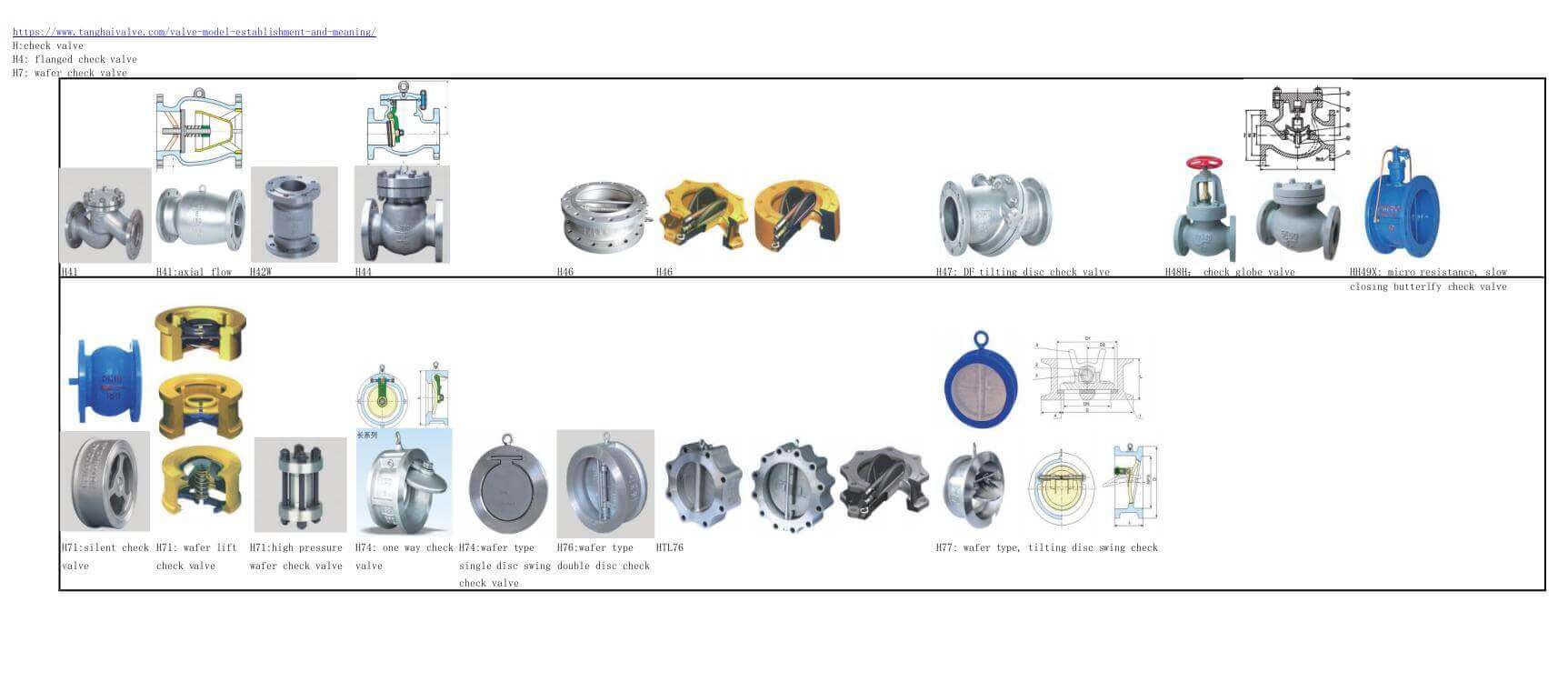
Not all check valves perform the same way. The wrong design creates noise regardless of installation quality.
Avoid Ball-Type Check Valves
Ball-check valves use a heavy plastic ball that bounces under flow.
- These valves are prone to chattering, especially in redundant pump setups.
- They appear often in aquarium systems and some sump configurations.
- Vibration travels through pipes and amplifies the noise.
- Replace them with flapper or swing-type designs for quieter operation.
Use Flapper or Swing-Type Valves
These designs offer quieter and more reliable backflow prevention.
- Flapper valves use a hinged gate that closes smoothly with gravity or spring assistance.
- Swing check valves provide full-flow design with minimal resistance.
- Both work well for residential sump pumps and living spaces.
- Choose union connections for easier future maintenance.
Consider Wye-Type Valves in Aquarium Setups
Reef tank hobbyists often encounter noise from Wye-type valves when new.
- Expect slight vibration from water flow during the first weeks.
- Wait 1 to 2 weeks for bio-film to build up on internal surfaces.
- The natural slime coat dampens vibration and restores quiet operation.
- If noise persists, switch to a clear swing check valve from brands like BRS.
Match Valve Size to Your Flow Rate
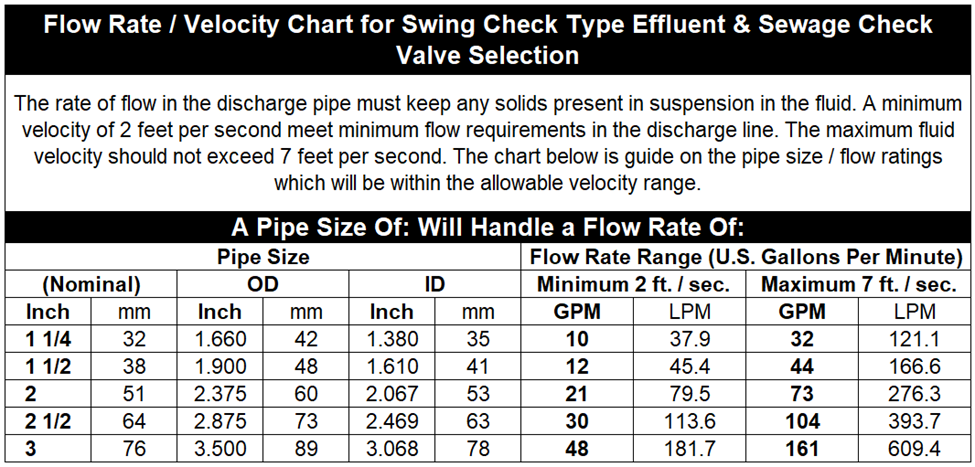
Even a quality valve will vibrate if the flow rate overwhelms its capacity. Proper sizing prevents turbulence and premature wear.
Check Pump Flow Against Valve Capacity
- Match valve size to pump discharge size or go one size larger.
- A 1.5 inch pump needs at least a 1.5 inch check valve.
- Undersized valves cause turbulence, vibration, and premature wear.
- Oversized valves may not seal properly at low flow rates.
Reduce Flow in High-Pressure Systems
When flow velocity is too high, consider these adjustments.
- Install a flow restrictor to limit velocity through the valve.
- Use a larger-diameter valve to reduce speed at the same flow.
- Upgrade pipe size to lower velocity throughout the discharge line.
Prevent Future Noise with a Simple Maintenance Plan
Silence lasts only with regular upkeep. A few minutes of annual attention prevents most noise problems from returning.
Schedule Annual Check Valve Inspection
Once per year, perform a thorough check.
- Remove the valve and inspect all components for wear.
- Test flapper movement to confirm free swinging action.
- Clean any sediment or debris from the seat and housing.
- Replace the valve if the flapper is cracked, warped, or stiff.
Monitor Pump Cycling Patterns
Listening to your system reveals developing problems early.
- New chatter often points to tank air charge loss.
- Longer cycles suggest a clog or pump decline.
- Shorter cycles usually mean diaphragm failure.
Replace the Valve Every 3 to 5 Years
Mechanical parts wear out even with perfect water conditions.
- Rubber flappers harden and lose flexibility over time.
- Hinges develop fatigue from repeated motion cycles.
- Keep a spare quiet check valve ready for quick replacement.
When to Call a Professional
Some situations require expert diagnosis and specialized tools.
Suspect Well System Damage
If you have a deep well and hear loud hammering, check for these issues.
- A failed foot valve, which is the well version of a check valve.
- Pipe damage from repeated hydraulic shock over time.
- Contact a well technician for proper diagnosis and repair.
Persistent Noise After Multiple Fixes
If you have replaced the valve, tank, and added filtration but noise continues, deeper issues may exist.
- Pipe resonance or loose pipe hangers can transmit vibration.
- Undersized piping throughout the system causes turbulence.
- A faulty pressure switch may cycle the pump irregularly.
Frequently Asked Questions About Noisy Check Valves
What causes a check valve to make a loud clunking noise?
A loud clunk at shutdown comes from hydraulic shock. Water reverses direction when the pump stops and slams the flapper against the seat. Standard gravity-closing valves allow this backflow before sealing. Upgrading to a spring-loaded quiet check valve eliminates the slam by closing before flow reverses.
Why does my sump pump check valve keep chattering?
Chatter indicates system instability, not valve failure. The most common cause is a ruptured pressure tank diaphragm that has lost its air cushion. Without the cushion, the pump cycles rapidly and forces the check valve to open and close dozens of times per minute. Test the tank air charge and replace the diaphragm or tank if pressure drops.
Can a noisy check valve cause pipe damage?
Yes. Repeated hydraulic shock from a clunking valve stresses pipe joints, fittings, and the valve itself. Over months and years, this can loosen connections or crack pipes. Switching to a spring-loaded quiet valve protects your plumbing by preventing the pressure surges that cause water hammer.
How do I stop my aquarium check valve from vibrating?
New Wye-type valves often vibrate slightly during the first 1 to 2 weeks. Bio-film builds up on internal surfaces and naturally dampens the vibration. If noise continues after this break-in period, replace the ball-type or Wye valve with a clear swing check or flapper design from brands like BRS.
How often should I replace a check valve?
Replace check valves every 3 to 5 years under normal conditions. Rubber flappers harden and lose sealing ability over time. Hinges also fatigue from repeated cycling. Annual inspection helps you catch wear before noise or failure develops.
Do I need a professional to fix a noisy check valve?
Most homeowners can handle basic fixes like cleaning a valve, recharging a pressure tank, or swapping a check valve. However, call a professional if you suspect well system damage, cannot diagnose the noise source, or have persistent problems after replacing the valve and tank.
Key Takeaways for Silencing a Noisy Check Valve
A noisy check valve is never just normal operation. The clunk is preventable with a spring-loaded quiet valve that closes before flow reverses. The chatter is a red flag pointing to a failed pressure tank or contaminated water supply. Diagnosing the noise type first saves time and money on unnecessary replacements.
Focus on the root cause rather than the symptom. Upgrade the valve to stop hydraulic shock. Repair or replace the pressure tank to restore system stability. Install sediment filtration to prevent debris from jamming the mechanism. Then stick to a simple annual maintenance routine to keep everything running quietly.
Your next step is simple. Listen carefully to your system tonight and identify whether you hear a clunk or chatter. Match the noise to the right fix from this guide, and start with the most likely cause. A quiet sump pump and a dry basement are well within reach.