You might be leaving for a long vacation or fixing a plumbing leak when you suddenly need to know how to turn off hot water tank systems safely. Doing this wrong can cause pressure buildup, scalding risks, or permanent damage to your heating unit.
This guide explains the exact steps for gas and electric models so you can shut down your system with confidence. You will learn how to cut power, stop water flow, and restart your heater without making costly mistakes.
Identify Your Water Heater Type Before Starting

You must determine if your unit runs on gas or electricity before attempting any shutdown procedure. The method for turning off hot water tank systems varies significantly between these two types. Using the wrong approach could leave dangerous energy sources active while you work.
Check for Gas Lines and Control Knobs
Look at the bottom front of your water heater to find the fuel source. A gas unit will have a visible metal pipe connected to a control dial with settings like “Pilot,” “On,” and “Off.” You might also see a small metal access panel near the base where the pilot light burns.
Electric models do not have gas lines or pilot lights. Instead, they feature electrical wiring entering the top or side of the tank. These wires connect to insulated panels often labeled with high-temperature warnings. Identifying these features ensures you choose the correct safety steps.
Determine When to Shut Down the System
You should turn off your water heater when going on vacation for more than two days. It is also necessary when draining the tank for maintenance or replacing plumbing fixtures. Short absences under 48 hours usually do not require a full shutdown since modern tanks retain heat well.
Leaving the unit on for short trips is often more energy-efficient than reheating a completely cold tank. However, shutting it down prevents leaks and saves energy during extended periods of non-use.
Turn Off Electric Water Heater Steps

Electric water heaters require you to cut power at the breaker panel before touching any water valves. This sequence prevents the heating elements from burning out or causing an electrical shock.
Cut Power at the Main Breaker Panel
Locate your home’s electrical service panel and find the double-pole breaker labeled “Water Heater.” This switch is typically rated for 30 amps and controls power to the unit. Flip this breaker firmly to the “Off” position to stop all electricity flow.
Do not skip this step because leaving power on while draining can destroy the heating elements instantly. Newer models may show a blank display when power is cut, confirming the unit is safe to work on.
Close the Cold Water Inlet Valve
Find the cold water supply pipe connected to the top of your water heater tank. This pipe usually has a blue tag or a “Cold” label to distinguish it from the hot water outlet. Turn the lever-style or round knob valve clockwise until it is tightly closed.
Closing this valve stops new water from entering the tank while it is offline. This action prevents pressure buildup and prepares the system for draining if necessary.
Turn Off Gas Water Heater Procedures
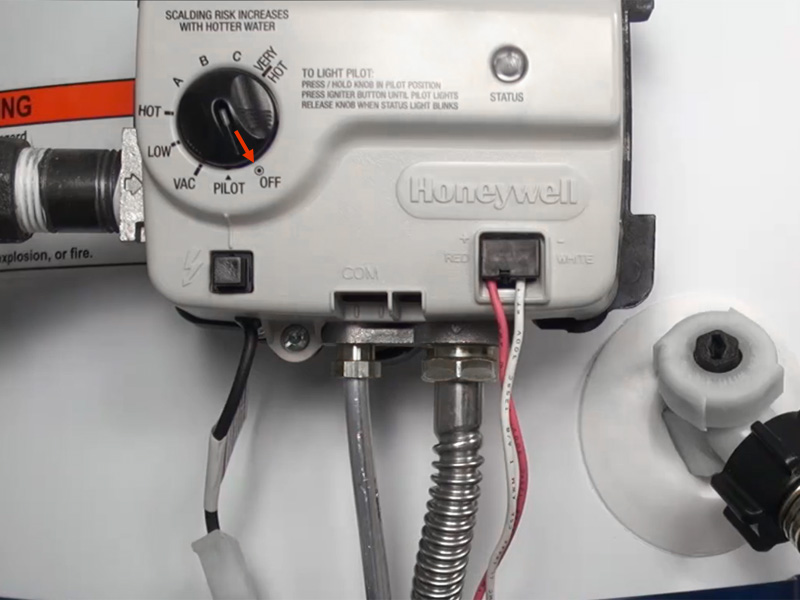
Gas units require careful handling of the fuel supply to prevent gas leaks or pilot light issues. You must follow specific steps to ensure the burner stops completely without creating a hazard.
Adjust the Gas Control Thermostat
Locate the gas control knob near the bottom of the water heater where the gas line enters. Turn the dial from the “On” position to the “Pilot” setting. This action shuts off the main burner while keeping a small flame ready for relighting.
Some models require you to press the knob inward while turning it to change settings. Hold the knob down for about 10 seconds after switching to ensure the gas flow to the main burner stops completely. Never turn the knob to “Off” unless you plan to relight the entire system later.
Rotate the Gas Supply Valve
Inspect the gas line running into the water heater to find the manual shut-off valve. This small lever sits inline with the pipe and controls the main gas supply. When the lever is parallel to the pipe, gas flows freely to the unit.
Rotate the lever 90 degrees so it sits perpendicular to the pipe. This position cuts off all gas supply to the water heater. Use an adjustable wrench if the valve feels stiff, but avoid using excessive force that could damage the pipe.
Drain the Tank If Necessary
Draining is required if you are replacing the unit, performing deep maintenance, or protecting against freezing temperatures. You must wait for the water to cool before attempting to drain to avoid severe scalding.
Connect Hose to Drain Valve
Locate the drain valve near the bottom of the water heater tank. Attach a standard garden hose to this valve and run the other end to a floor drain or outside area. Avoid draining onto grass or plants because the sediment in the water can damage vegetation.
Open the drain valve slowly using a flathead screwdriver or wrench. Hot water will begin to flow, so ensure the tank has cooled for at least one to two hours if it was recently active.
Open Hot Water Faucets to Break Vacuum
Go to a nearby sink or bathtub and turn on the hot water tap completely. This action breaks the vacuum inside the plumbing system and allows air to enter the tank. The water will drain much faster with the faucet open.
Keep the faucet open until no more water flows from the drain hose. You may see rust or sediment come out, which is normal for older units that have not been flushed regularly.
Restarting Your Water Heater System
Restarting the system requires filling the tank completely before restoring any energy source. Skipping this step can cause immediate and irreversible damage to the heating elements or tank lining.
Reactivate Electric Water Heaters
- Ensure the tank is full by opening the cold water supply valve first.
- Wait until water flows steadily from the open hot water faucet you left on earlier.
- Close the faucet and flip the breaker back to the “On” position.
- Wait one to two hours for the water to heat up before using it.
Check all connections for leaks after the tank pressurizes. If the breaker trips immediately after turning it on, turn it off again and contact a professional plumber.
Reactivate Gas Water Heaters
- Set the gas control knob back to the “On” position.
- Wait ten minutes for any residual gas to clear if the pilot light went out.
- Follow the manufacturer label instructions to relight the pilot if necessary.
Listen carefully for the burner to ignite with a soft whoosh sound. If you smell gas or hear loud popping noises, turn off the gas supply immediately and call a professional.
Safety Checks Before and After Operation
Proper safety checks prevent accidents and ensure your water heater operates efficiently for years. These steps are critical both before shutting down and after restarting the unit.
Prevent Dangerous Pressure Buildup
Never allow the heater to run when the tank is empty. Always confirm water is flowing into the tank before restoring gas or electricity. Heating an empty tank can warp the internal lining and cause catastrophic failure within minutes.
Similarly, never open the drain valve without first closing the cold water inlet. Failing to close the inlet can cause backflow and create dangerous pressure imbalances in your plumbing system.
Test the Temperature Relief Valve
Once the system is running, test the temperature and pressure relief (TPR) valve. Lift the lever on the valve briefly to ensure it moves freely without sticking. Water should spurt out briefly and stop completely when you release the lever.
Replace the valve immediately if it leaks continuously or fails to open. Perform this test every six months to maintain optimal safety standards for your household.
Common Mistakes to Avoid During Shutdown

Even simple maintenance tasks can lead to big problems if you overlook key details. Avoiding these common errors will save you time, money, and potential safety hazards.
Forgetting to Cut Energy First
Turning off the water supply before cutting power or gas is a critical error. Electric elements can burn out instantly without water to cool them. Gas burners can overheat the tank and create a fire hazard if the water flow stops while the flame remains on.
Always follow this sequence:
* Cut the energy source (electricity or gas)
* Close the cold water supply valve
* Drain the tank if needed
Reversing this order significantly increases the risk of equipment damage.
Leaving the System Off Too Long
Leaving a gas water heater off for months can cause moisture buildup and internal corrosion. Electric units are less prone to this, but sediment can harden if the tank sits dry for extended periods.
If you plan to store the unit long-term, drain it completely and leave valves open. This prevents pressure traps and reduces the chance of corrosion forming inside the tank.
Energy-Saving Tips When Away
You do not always need to fully shut down your water heater to save energy. Sometimes adjusting the settings is enough to reduce costs while maintaining system readiness.
Use Vacation Mode or Lower Temperature
Many modern water heaters feature a “Vacation Mode” that keeps water warm enough to prevent freezing without full heating cycles. If your model lacks this feature, turn the thermostat down to 50°F (10°C) instead of turning it off completely.
This adjustment reduces energy use by up to 5% per day while protecting pipes in winter. For electric models, ensure you adjust only the correct thermostat based on your access panel configuration.
Frequently Asked Questions About Turning Off Hot Water Tanks
Can I turn off my water heater while keeping the water on?
Yes, you can turn off the energy source while leaving the water supply on if you are not draining the tank. This is safe for short periods, but you must ensure the tank remains full to prevent damage if the heater accidentally turns back on.
How long does it take for a water heater to cool down before draining?
You should wait at least one to two hours after turning off the heater before draining. This allows the water temperature to drop significantly, reducing the risk of severe scalding if hot water escapes during the draining process.
Do I need to drain my water heater every time I turn it off?
No, draining is only necessary for maintenance, replacement, or if freezing temperatures are expected. If you are just going on vacation, you can simply turn off the energy source and close the water valve without draining the tank.
What happens if I turn on an empty electric water heater?
Turning on an electric water heater without water inside will burn out the heating elements almost instantly. The elements require water immersion to transfer heat, and running them dry causes rapid overheating and permanent failure.
Is it safe to turn off a gas water heater at the main gas valve?
It is safer to use the control knob on the unit to switch to “Pilot” or “Off” first. Turning off the main gas valve is acceptable for long-term shutdowns, but you will need to relight the pilot light following specific manufacturer instructions when restarting.
Key Takeaways for Turning Off Hot Water Tank Systems
Knowing how to turn off hot water tank units correctly protects your home from leaks and equipment failure. Always cut the energy source first, then close the water supply, and finally drain the tank if your specific situation requires it. Following the correct sequence for your gas or electric model ensures safety and extends the life of your appliance.
Take action today by locating your breaker panel or gas control knob so you are prepared for emergencies. Regular maintenance and proper shutdown procedures will keep your hot water system running efficiently for years to come.