Is your shower weak, your faucet sluggish, and your washing machine taking forever to fill? If you’re on a well system, low water pressure is a common but fixable issue. The good news: you don’t need to replace your entire system to get strong, reliable water flow. Most pressure problems stem from simple, adjustable components like the pressure switch, tank air charge, or clogged fixtures, not the pump itself. By understanding how your well system works and following a step-by-step approach, you can safely increase water pressure on a well pump and restore full performance.
This guide walks you through proven fixes, from quick DIY checks to long-term upgrades, so you can diagnose the real cause and apply the right solution without overspending.
Adjust the Pressure Switch for Better Water Pressure
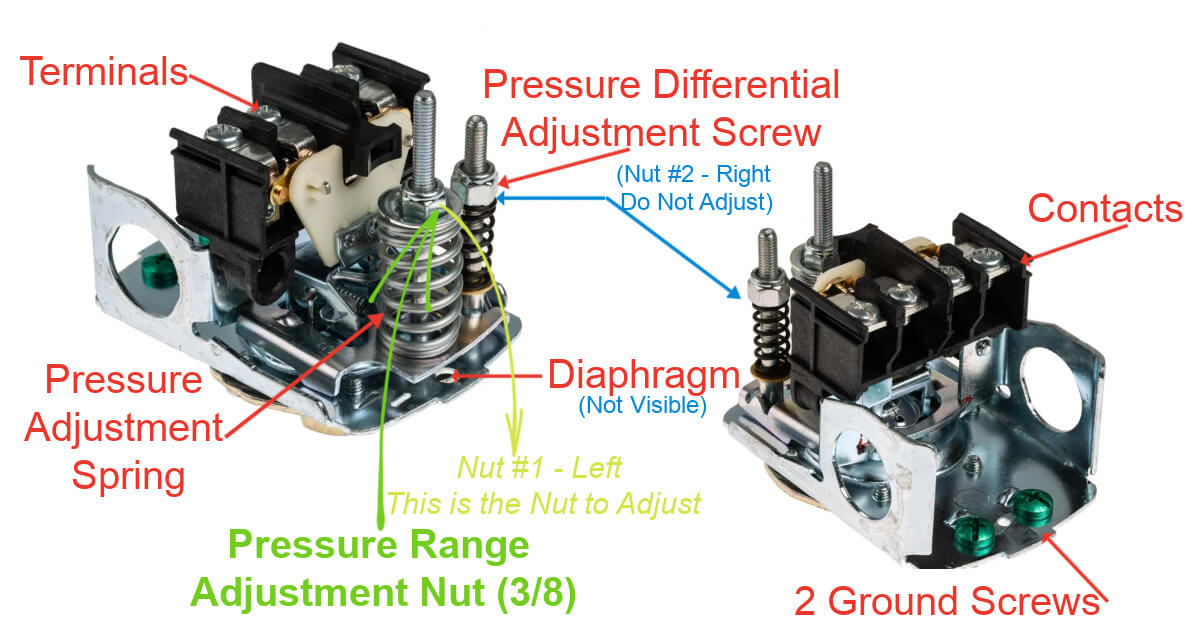
The fastest way to boost pressure is adjusting the pressure switch. Most systems default to 30/50 PSI, but raising it to 40/60 PSI makes a noticeable difference in water pressure on your well pump.
How Pressure Switches Control Your Well System
Your pressure switch turns the pump on and off based on system pressure. It has two key settings. The cut-in setting determines when the pump starts, usually set to 30 or 40 PSI. The cut-out setting controls when the pump stops, typically at 50 or 60 PSI. The standard 30/50 setting delivers lower pressure than modern plumbing can handle. Upgrading to 40/60 PSI increases force at every tap, and most well components support it safely.
Adjust Cut-In and Cut-Out Together
Use the top adjustment nut to raise both settings at once. Turn off power at the circuit breaker first. Drain pressure by opening an outdoor spigot until water stops flowing. Remove the switch cover to expose the large central nut. Turn the nut clockwise by 1/2 turn, which typically increases pressure by 5 to 10 PSI. Restore power and let the pump cycle. Check the pressure gauge to confirm new cut-in and cut-out levels.
Never adjust with power on since terminals carry 240V. Use a multimeter to confirm power is off before starting any adjustment.
Set Realistic Pressure Limits
Avoid exceeding 60/80 PSI unless your system is built for it. Most residential plumbing maxes out at 75 PSI. Higher pressure risks burst pipes, leaking water heaters, and damaged appliance seals. If you are unsure, 40/60 PSI is the sweet spot for performance and safety when you want to increase water pressure on a well pump.
Check and Recharge the Pressure Tank
A waterlogged or undercharged tank causes pressure to drop fast, making water feel weak even if the pump is working correctly.
Why Air Charge Matters for Well Pressure
The pressure tank uses compressed air to push water through your pipes. If the air charge is too low, the tank fills with water, a condition called waterlogging. This leads to short cycling where the pump turns on and off every few seconds. There is no water reserve between cycles, and pressure fluctuates wildly.
Test the Air Pressure in Your Tank
Turn off the pump and open a faucet to drain the tank completely. Remove the cap from the Schrader valve on top of the tank. Use a tire pressure gauge to check air pressure. The correct setting is 2 to 3 PSI below the pump’s cut-in pressure. For example, for a 40/60 PSI switch, set the tank air charge to 37 to 38 PSI.
Recharge or Replace a Faulty Tank
If pressure tests low, use a standard air compressor to add air. If pressure drops quickly after recharging, the bladder is ruptured and you need to replace the tank. A 20-gallon tank may only hold 6 to 8 gallons of usable water. Larger tanks of 60 to 100 gallons reduce cycling and improve flow during high demand periods.
Clean Clogged Fixtures and Filters
Low pressure in one fixture usually means the issue is local, not your well system. This is one of the easiest fixes to increase water pressure on a well pump.
Inspect Faucet Aerators and Showerheads
Mineral buildup from hard water can block 50% of flow in just one year. Unscrew aerators and showerheads from affected fixtures. Soak them in white vinegar for 1 to 2 hours to dissolve scale. Rinse thoroughly and reinstall. Clean these every 3 to 6 months in hard water areas to maintain good water pressure on your well pump.
Flush Inline and Pre-Filters
Many systems have a sediment filter between the pressure tank and plumbing. Turn off the water supply. Open the filter housing carefully. Replace or clean the cartridge as needed. Reassemble and restore flow. A $20 filter can restore full pressure, so always check this before pursuing major repairs.
Upgrade Pipes for Better Flow
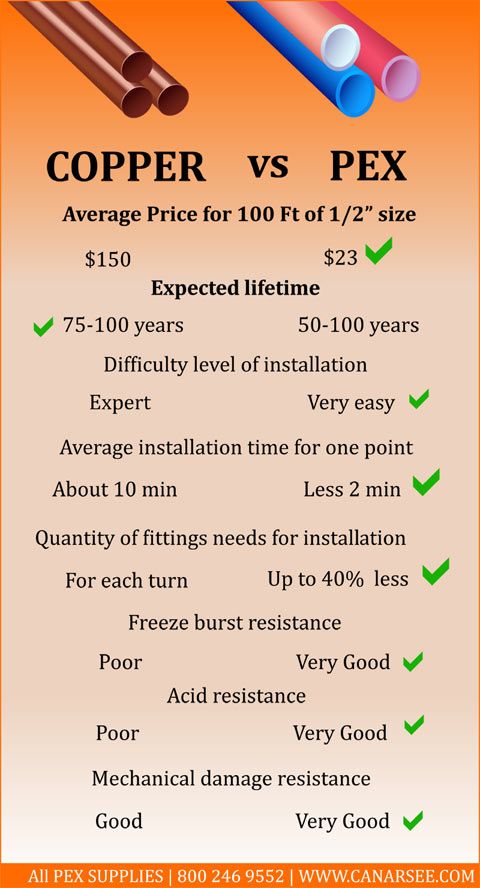
Even with high pressure, undersized or corroded pipes limit water volume, making pressure feel low. This affects your ability to increase water pressure on a well pump effectively.
Replace 1/2-Inch with Larger Pipe
Older homes often have 1/2-inch copper or PEX as the main supply line. This restricts flow over distance, especially in homes with multiple bathrooms. Upgrade to 3/4-inch or 1-inch pipe for main runs. This is especially important for homes with 3 or more bathrooms or long pipe layouts. One user doubled hose flow by replacing 1/2-inch copper with 3/4-inch PEX.
Replace Corroded Galvanized Pipes
Galvanized steel pipes rust from the inside out, reducing diameter over time. Symptoms include brown water, low flow, and frequent clogs. Solution involves repiping with copper, PEX, or CPVC. Do not assume a bigger pump fixes this problem because it will just strain against a clogged system.
Diagnose Pump and Well Performance
If pressure and flow drop when multiple fixtures run, the issue may be pump capacity or well yield, not just pressure settings.
Test Flow Rate with a Bucket Test
Use a 5-gallon bucket and stopwatch to measure your flow rate. Open a spigot near the pressure tank. Time how long it takes to fill the bucket. Calculate GPM by dividing 5 gallons by the time in minutes. Good flow is 6 to 12 GPM. Low flow under 6 GPM indicates pump, well, or restriction issues.
Listen to Pump Behavior
Runs constantly could mean a leak, low water table, or failing pump. Short cycles usually indicate a waterlogged tank or faulty switch. No water after running means the well may be running dry, especially during drought conditions. Low pressure under demand is often a flow problem, not a pressure problem. Increasing PSI will not fix insufficient volume.
Install a Constant Pressure System
For the smoothest, most reliable water delivery, upgrade to a variable-speed pump system. This is an effective way to increase water pressure on a well pump for the long term.
How Variable Speed Pumps Work
This replaces your single-speed pump with a variable frequency drive that adjusts motor speed based on demand. It maintains steady 50 to 75 PSI regardless of how many fixtures are open. It eliminates pressure drops and on/off cycling entirely.
Benefits Over Standard Pumps
Benefits include no pressure fluctuations, quieter operation, and less wear on pipes and appliances. You need a smaller pressure tank, only 20 to 40 gallons. Built-in dry-run protection prevents pump damage. One user reported no more shower pressure drop when the toilet flushes after installing this system.
Installation and Cost
Professional installation is required for this upgrade. Cost ranges from $1,500 to $3,000 or more installed. This is best for homes with frequent multi-fixture use or long pipe runs. It delivers city-like water pressure from a well system.
Add a Booster Pump for Distant Locations
Need more pressure at a distant barn, upper floor, or irrigation system? A booster pump can help without replacing your well pump.
When to Use a Booster Pump
Use a booster when well pressure is good near the house but weak 100 feet or more away. Upper floors have weak flow due to elevation loss of 0.433 PSI per foot. Irrigation systems need higher volume than the main system provides.
How to Install a Booster
Place the booster after the pressure tank. Include a small pressure tank to prevent short cycling. Use a pressure switch to activate the booster only when needed. Cost is $500 to $1,500 installed, much cheaper than a full pump replacement.
Upgrade the Well Pump Only When Necessary
Only consider this after ruling out simpler fixes. A bigger pump is not always the answer to increase water pressure on a well pump.
Do Not Confuse HP with Pressure
Horsepower affects flow, not pressure. A 1 HP pump does not deliver higher PSI than a 3/4 HP pump. It just moves more water. This is a critical distinction when trying to increase water pressure on a well pump.
Choose Based on Performance Curves
Every pump has a performance curve showing GPM vs. PSI at different lift depths. Match your household demand, for example, 10 GPM at 60 PSI. Factor in total dynamic head including depth, friction, and elevation. Use the curve to pick a pump that meets your needs, not just the highest horsepower. Hire a licensed well contractor to test well yield and size the pump correctly.
Prevent Future Pressure Problems
Keep your system running strong with simple maintenance to maintain the water pressure on your well pump.
Test Pressure and Air Charge Annually
Check pressure gauge readings at least once per year. Recharge the tank air charge if needed. Clean the gauge nipple if readings seem off. This takes minimal time but prevents major issues.
Install a Whole-House Sediment Filter
Place a sediment filter right after the pressure tank. It protects fixtures and appliances from sediment damage. It reduces clogs throughout the system. It extends pump life significantly. A 5-micron spin-down filter with a flush valve is recommended for most well systems.
Monitor for Hidden Leaks
A hidden leak in the drop pipe inside the well or in your plumbing can waste water. It causes constant pump cycling. It reduces pressure dramatically. Signs include the pump running when no water is being used or pressure dropping overnight.
Frequently Asked Questions About Increasing Water Pressure on a Well Pump
What is the ideal water pressure for a well system?
The ideal range is 50 to 60 PSI for most homes. Below 40 PSI indicates low pressure, while above 80 PSI is excessive and risks damage to pipes and appliances.
Can I adjust my pressure switch myself safely?
Yes, you can adjust it yourself if you follow proper safety procedures. Always turn off power at the circuit breaker first. Use a multimeter to confirm no voltage is present. Adjust in small increments, turning the top nut clockwise by 1/4 to 1/2 turn at a time.
Why does my water pressure drop when multiple fixtures run?
This is typically a flow problem, not a pressure problem. Your pump or piping cannot deliver enough volume to support simultaneous use. Solutions include upgrading pipe size, installing a constant pressure system, or adding a booster pump.
How do I know if my pressure tank is waterlogged?
Signs of a waterlogged tank include the pump cycling on every time a faucet is used. There is no water reserve felt in the tank. Pressure drops rapidly after the pump shuts off. Test by checking the air charge at the Schrader valve.
Does a bigger horsepower pump increase water pressure?
No, horsepower affects flow volume, not pressure. A higher horsepower pump moves more water but does not necessarily increase PSI. To increase pressure, you need a pump rated for higher head pressure or adjust your pressure switch settings.
How often should I clean my faucet aerators?
Clean aerators and showerheads every 3 to 6 months in hard water areas. In areas with moderate water hardness, cleaning twice per year is usually sufficient to maintain good water pressure on your well pump.
Key Takeaways for Increasing Water Pressure on a Well Pump
Increasing water pressure on a well pump starts with understanding the difference between pressure and flow. Most fixes are simple, low-cost adjustments, not major overhauls. Always check the simple causes first, like cleaning aerators, checking the pressure switch settings, and verifying tank air charge before pursuing expensive upgrades.
Prioritize system balance over maximum pressure. Keep your pressure between 40 and 60 PSI for best performance. Test your flow rate with a bucket test to determine if you have a volume problem rather than a pressure problem. A well-maintained system with balanced pressure and flow delivers better performance than a high-PSI system under stress.
Follow the diagnostic sequence in this guide to avoid unnecessary expenses. Start with the simplest fixes and work up to more complex solutions only when needed. Many well contractors offer free diagnostics, so use them to confirm the root cause before spending money on upgrades.