
Cloudy water and stressed fish often signal that your filtration system is failing to remove toxins effectively. Learning how to filter fish tank water correctly is the single most important step to ensuring a healthy environment for your aquatic pets. Without proper filtration, harmful ammonia builds up rapidly, leading to disease or fish loss.
This guide explains exactly how mechanical, biological, and chemical filtration work together to keep your tank clean. You will discover which filter type suits your specific tank size, how to install it without airlocks, and the maintenance routine required for crystal-clear results. Follow these expert steps to transform your aquarium into a thriving ecosystem.
Select the Correct Filter for Your Tank Size

Choosing the right equipment is the foundation of learning how to filter fish tank water effectively. Using a filter that is too small for your volume leads to poor water quality, while larger units often provide better stability.
Match Filter Capacity to Volume
Your tank volume dictates the necessary flow rate and media capacity.
- Nano tanks (under 30L): Sponge or internal filters provide gentle flow and strong biological support.
- Medium tanks (30–120L): Hang-on-back (HOB) filters offer the best balance of performance and ease of use.
- Large tanks (120L+): Canister filters deliver superior capacity, customization, and quiet operation for heavy bioloads.
Compare Filter Types and Benefits
Understanding specific strengths helps you avoid common purchasing mistakes.
Sponge Filters for Small Systems
These are ideal for betta tanks, shrimp setups, and fry rearing. They are inexpensive and safe for small creatures but take up internal space.
Hang-On-Back Filters for Community Tanks
Perfect for tanks up to 50 gallons, these support all three filtration types. They are easy to service but require a pre-filter sponge to protect small fish.
Canister Filters for Large Aquariums
Best for planted tanks and goldfish, these offer high flow and hidden placement. They are expensive and complex to maintain but provide professional-grade results.
Master the Three Types of Filtration
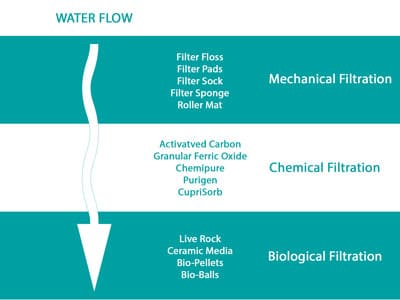
To truly understand how to filter fish tank water, you must leverage mechanical, biological, and chemical processes simultaneously. Each plays a unique role in maintaining water clarity and safety.
Mechanical Filtration Traps Debris
This process physically removes uneaten food and waste from the water column.
- How it works: Sponges and floss catch particles before they decompose.
- Maintenance: Rinse media monthly in old tank water to prevent flow restriction.
- Warning: Clogged mechanical media reduces overall filter efficiency significantly.
Biological Filtration Removes Toxins
Beneficial bacteria convert dangerous ammonia into less harmful nitrates through the nitrogen cycle.
- The Process: Nitrosomonas converts ammonia to nitrite, then Nitrobacter converts nitrite to nitrate.
- Media Matters: Use high-surface-area media like Seachem Matrix or Eheim Substrate Pro.
- Critical Rule: Never rinse bio-media in tap water, as chlorine kills essential bacteria.
Chemical Filtration Polishes Water
This stage removes dissolved impurities, odors, and discoloration using activated carbon or synthetic resins.
- When to Use: Deploy during medication removal, tannin discoloration, or persistent cloudiness.
- Replacement: Change activated carbon every 4–6 weeks to maintain effectiveness.
- Pro Tip: Seachem Purigen offers superior organic removal and can be regenerated with bleach.
Install Your Filter System Properly
Even the best equipment fails if installed incorrectly. Follow these precise steps to ensure peak performance from day one.
Prime the Pump Before Powering On
Skipping this step causes airlocks that can damage your motor or stop water flow entirely.
- Fill HOB chambers with dechlorinated water before plugging them in.
- Fill canister filters completely and use the priming button to start the siphon.
- Never use untreated tap water for priming, as it harms bacterial colonies.
Position for Optimal Water Flow
Poor placement creates dead zones where waste accumulates and clouds the water.
- Single Filter: Place intake and outflow on the same side to create a circular current.
- Dual Filters: Position units on opposite ends for even water movement throughout the tank.
- Avoid: Directing strong flow directly at delicate plants or shy fish.
Layer Media Strategically
Water must pass through media in a specific order to maximize efficiency.
- Bottom Tray: Coarse sponge to catch large debris first.
- Middle Tray: Biological media like bio-balls or ceramic rings.
- Top Tray: Fine floss or chemical media for final polishing.
Maintain Your Filter Regularly

Neglecting maintenance turns your filter into a toxin factory. Consistent care keeps your system running smoothly and your fish healthy.
Clean Mechanical Media Monthly
Rinse sponges or floss when flow slows or water looks cloudy.
- Method: Remove media and rinse gently in old tank water from a water change.
- Frequency: Replace filter floss every 2–4 weeks, while sponges last 6–12 months.
- Caution: Avoid using tap water, which destroys the beneficial bacteria you need.
Rinse Biological Media Sparingly
Over-cleaning kills the bacteria your fish depend on for survival.
- When to Clean: Only rinse when clogging visibly reduces water flow.
- Preservation: Never replace all bio-media at once. Always leave at least 70% of aged media intact.
Replace Chemical Media on Schedule
Saturated chemical media stops working and can release trapped toxins back into the water.
- Activated Carbon: Replace every 4–6 weeks without fail.
- Synthetic Resins: Regenerate Purigen every 2–4 months using a bleach solution followed by a dechlorinator soak.
Troubleshoot Common Filtration Problems
Even well-maintained systems develop issues. Here is how to diagnose and fix them quickly.
Low Water Flow Causes
Clogged sponges or impeller blockages are the usual suspects. Clean the pre-filter sponge and rinse the impeller assembly to restore flow.
Noisy Filter Solutions
Air bubbles or loose parts often cause vibration. Ensure all connections are tight and add rubber pads under canister feet to dampen sound.
Cloudy Water Fixes
Cloudiness often indicates a bacterial bloom or poor mechanical filtration. Add fine filter floss, reduce feeding, and wait 3–5 days for clarity to return.
Algae Bloom Prevention
Excess nutrients fuel algae growth. Upgrade mechanical filtration and increase weekly water changes to 25% to reduce nutrient levels.
Boost Filtration with Live Plants
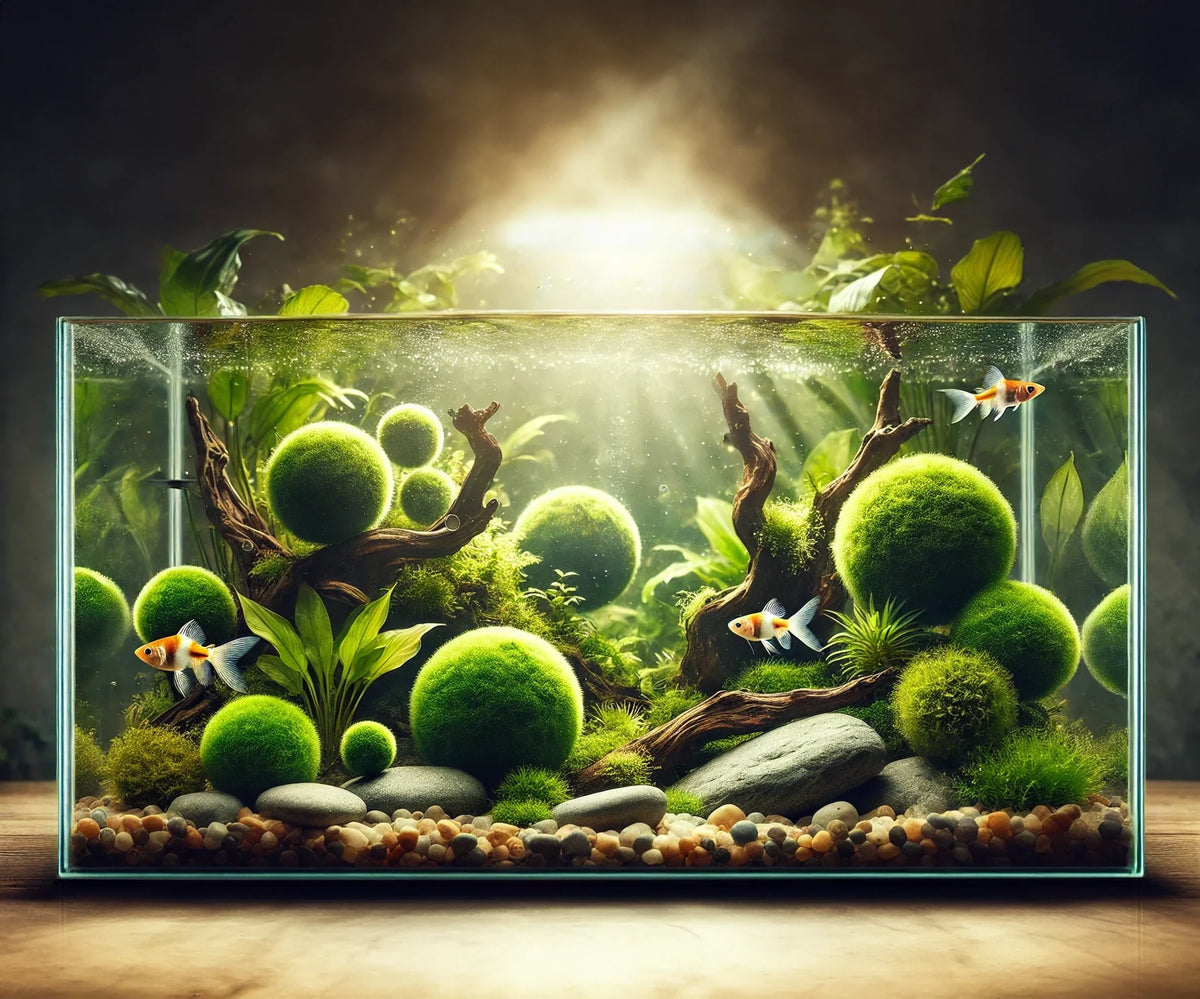
Live plants are powerful allies when learning how to filter fish tank water naturally. They absorb nitrates and release oxygen, reducing the burden on your mechanical system.
How Plants Enhance Water Quality
Plants consume ammonia and nitrites as nutrients while competing with algae for resources. This natural process stabilizes water parameters effectively.
Best Low-Maintenance Species
- Anubias: Grows on driftwood and requires low light.
- Java Fern: Attaches to rocks and thrives in most conditions.
- Marimo Moss Balls: Require no planting and roll naturally.
Care Tips for Success
Provide 6–8 hours of light daily and avoid over-fertilizing, which can worsen algae problems. Combine plants with good filtration for best results.
Optimize Your System with Expert Tips
Go beyond basic care with these professional strategies for flawless water quality and fish health.
Over-Filter Your Aquarium
There is no such thing as too much filtration. Using a filter rated for 1.5 times your tank size ensures better clarity and stability with less maintenance.
Use Hybrid Filtration Methods
Combine filter types for maximum efficiency. Running a sponge filter alongside a HOB unit provides extra biological security during power outages.
Prevent Power Outage Damage
Canister filters lose oxygen quickly during outages, risking bacterial die-off. Use a battery-powered air pump with a sponge filter as an emergency backup.
Frequently Asked Questions About Fish Tank Filtration
How often should I clean my aquarium filter?
Clean mechanical media monthly or when flow slows. Rinse biological media only when clogged, and replace chemical media every 4–6 weeks.
Can I use tap water to clean my filter media?
No, never use tap water. Chlorine and chloramines in tap water kill beneficial bacteria essential for biological filtration. Use old tank water instead.
Why is my new fish tank water cloudy?
Cloudy water often indicates a bacterial bloom in new tanks or insufficient mechanical filtration. Add fine floss and wait a few days for the cycle to stabilize.
Do I need to run my filter 24 hours a day?
Yes, filters must run 24/7. Beneficial bacteria require constant oxygen and water flow to survive and keep ammonia levels safe for fish.
What is the best filter media for beginners?
Seachem Matrix is highly recommended for its high surface area and pH neutrality. It provides excellent biological filtration for almost any tank setup.
Key Takeaways for Filtering Fish Tank Water
Mastering how to filter fish tank water requires selecting the right equipment and sticking to a consistent maintenance schedule. Remember to never rinse media in tap water, replace chemical media regularly, and run your filter continuously.
By combining mechanical, biological, and chemical filtration with live plants, you create a stable environment where fish thrive. Start by checking your current filter setup today and adjust your routine to ensure crystal-clear water for years to come.