

Cloudy fish tank water frustrates many aquarists and signals an imbalance in your aquarium ecosystem. Whether you see a milky haze or green tint, learning how to make fish tank water not cloudy requires identifying the specific cause first.
This guide explains every cause of cloudiness and provides exact steps to fix bacterial blooms, algae issues, or suspended particles. You will learn proven methods to restore crystal clear water and maintain a healthy environment for your fish.
Diagnose the Specific Type of Cloudiness
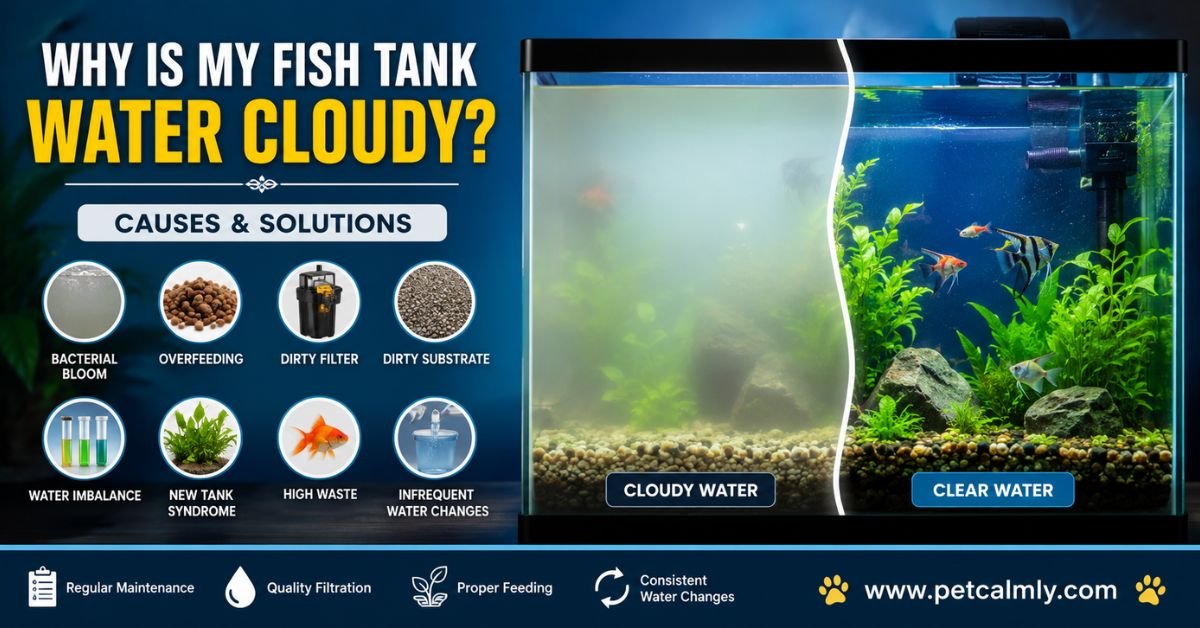
Identifying the visual characteristics of your cloudy water is the first step toward a solution. The color and texture tell you exactly what is happening inside your tank.
Is the Water Milky White or Gray?
A milky or opaque appearance usually indicates a bacterial bloom. This often happens in new tanks within the first few weeks as heterotrophic bacteria multiply rapidly to process organic waste.
* When it occurs: Typically 3 to 7 days after setup or after overfeeding.
* Action: Wait it out. The water usually clears in 3 to 10 days as the system balances.
* Warning: Do not scrub the filter or perform large water changes immediately, as this delays the cycle.
Does the Water Look Green?
Green tinted water means you have a free-floating algae bloom. Unlike algae on glass, these organisms live in the water column and thrive on excess light and nutrients.
* Main triggers: Direct sunlight or lights left on too long combined with high nitrate levels.
* Impact: Reduces visibility and blocks light for plants but rarely harms fish directly.
* Fix: Cut light exposure and reduce feeding to stop growth.
Is the Water Brown or Tea-Colored?
A yellowish-brown tint often comes from tannins released by driftwood or dried leaves. This is natural and generally safe for fish like tetras and bettas.
* Nature: Tannins lower pH slightly and have mild antibacterial properties.
* Removal: Use activated carbon in your filter or pre-soak wood before adding it.
Are There Floating Particles?
Gritty or dusty water suggests suspended particulates from unwashed substrate or disturbed debris.
* Common causes: Unrinsed gravel, poor filtration, or fish digging in the sand.
* Solution: Improve mechanical filtration and vacuum the substrate regularly.
Resolve Bacterial Blooms Quickly
Bacterial blooms are the leading cause of cloudy water in new aquariums. The solution often involves restraint rather than aggressive action.
Wait Patiently for 3 to 7 Days
In most cases, you should do nothing. The cloudiness shows your tank is cycling and beneficial bacteria are growing.
* Key strategy: Let the ecosystem balance itself without interference.
* Monitor fish: If they are active and breathing normally, patience is your best tool.
Perform Daily Water Changes If Needed
If cloudiness lasts longer than a week or fish show stress, change 20% of the water daily.
* Use dechlorinated water matched to the tank temperature.
* This reduces organic load without wiping out developing beneficial bacteria.
* Avoid full water changes as they destabilize the nitrogen cycle.
Protect Your Filter Media
Your filter houses the good bacteria essential for the nitrogen cycle.
* Do not rinse sponges or bio-rings in tap water during a bloom.
* If clogged, gently swish mechanical media in removed tank water only.
* Replacing media too early can reset your cycle and prolong cloudiness.
Eliminate Green Algae Blooms
Green water indicates algae are thriving due to excess light and nutrients. Removing these fuel sources stops the bloom.
Reduce Light Exposure Immediately
Algae need light to grow, so cutting their supply is critical.
* Set a timer for aquarium lights to run 8 hours on and 16 hours off.
* Block direct sunlight by moving the tank or using blinds.
* Avoid leaving lights on overnight or unnecessarily during the day.
Cut Down on Nutrients
Algae feed on nitrates and phosphates from fish waste and decaying food.
* Feed only what fish eat in 30 seconds.
* Remove uneaten food within 5 minutes of feeding.
* Perform 20% to 30% water changes weekly to dilute nutrients.
Use a UV Sterilizer for Fast Results
A UV sterilizer is the most effective solution for persistent green water.
* It kills free-floating algae as water passes through the unit.
* Install it inline with your filter or use a standalone unit.
* Run continuously for 3 to 7 days until the water clears.
Apply a Clarifier for Quick Fixes
Clay-based liquid clarifiers bind algae into clumps so your filter can trap them.
* Add as directed for results in 24 to 48 hours.
* Use only when needed and do not rely on chemicals long-term.
Clear Suspended Particles and Debris

If your water looks gritty, the issue is mechanical rather than biological. Improving physical filtration solves this problem.
Rinse Substrate Before Adding
New gravel or sand often contains fine dust that causes immediate cloudiness.
* Rinse thoroughly in a bucket until water runs clear.
* Do not use soap, just clean water.
* Even pre-washed substrate may need a quick rinse to remove residual dust.
Vacuum the Gravel Weekly
Use a gravel vacuum during water changes to pull debris from the substrate.
* Focus on high-traffic areas and under decorations.
* This removes detritus before it breaks down and clouds the water.
* Regular vacuuming prevents particle buildup effectively.
Upgrade Mechanical Filtration
Your current filter might not be trapping fine particles efficiently.
* Add filter floss or polyester wool to catch micron-sized debris.
* Use a pre-filter sponge on intake tubes to prevent clogging.
* Consider a polishing filter for ultra-clear water in display tanks.
Feed High-Quality Food
Cheap fish food contains fillers that increase waste output.
* Choose low-ash, high-digestibility food for your fish.
* Less waste equals clearer water and less maintenance.
* Quality food improves overall fish health and reduces cloudiness.
Remove Brown Tannin Stains
Tannins are organic compounds that leach into water from wood and leaves. While safe, many aquarists prefer clear water.
Pre-Soak Driftwood for Several Days
Before adding driftwood to your tank, boil or soak it in hot water.
* Change the soaking water daily until it stays clear.
* This process removes most tannins upfront.
* Soaking for 3 to 7 days significantly reduces leaching.
Use Activated Carbon in Your Filter
Activated carbon absorbs tannins and odors effectively.
* Place carbon in your filter media tray.
* Replace every 4 to 6 weeks as it saturates over time.
* Water usually clears within 24 to 72 hours of application.
Try Seachem Purigen for Long-Term Clarity
Purigen is a synthetic resin that removes tannins more efficiently than carbon.
* It is reusable by soaking in a bleach solution for regeneration.
* Ideal for blackwater tanks that still need some clarity.
* Provides superior long-term control over water color.
Accept Tannins as Natural
Some aquarists want tannin-stained water for specific species.
* Bettas, tetras, and discus thrive in these conditions.
* It mimics their natural habitat and can boost health.
* If you like the look, simply embrace the natural aesthetic.
Address Fish That Stir Up Substrate
Some fish species naturally dig and sift, keeping tanks cloudy regardless of filtration.
Know the Common Culprits
Fish that sift or burrow include Corydoras catfish, Geophagus cichlids, and loaches.
* They kick up sand or gravel while searching for food.
* This behavior is natural but causes persistent particulate cloudiness.
* Identifying these species helps you choose the right solution.
Switch to Heavier Substrate
Fine sand clouds easily with digging fish. Try using coarser materials.
* Use coarse sand or large-grain gravel.
* Smooth river rocks are harder to displace.
* Heavier substrate reduces the amount of stirred-up particles.
Add a Polishing Filter
A second filter dedicated to fine particles helps immensely.
* Canister filters with fine mesh media work well.
* Fluidized bed filters excel at polishing water.
* Run continuously for best results in high-traffic tanks.
Relocate Digging Fish If Necessary
For display tanks where clarity is critical, consider moving digging species.
* Move them to a separate tank if aesthetics are paramount.
* Alternatively, accept slight cloudiness as part of their natural behavior.
* Balancing fish needs with tank goals is essential.
Upgrade Your Filtration System

Poor filtration is a root cause of persistent cloudiness in many aquariums. Ensuring adequate capacity solves many issues.
Choose the Right Filter Size
Your filter should process 2 to 3 times your tank volume per hour.
* A 10-gallon tank needs 20 to 30 GPH.
* A 20-gallon tank needs 40 to 60 GPH.
* A 55-gallon tank needs 110 to 165 GPH.
* Check the rated flow and do not assume it is enough.
Use Multi-Stage Filtration
Combine three types of media for complete clarity.
* Mechanical: Sponge or floss traps particles.
* Biological: Ceramic rings house good bacteria.
* Chemical: Carbon removes discoloration and odors.
* Layer them in your filter for maximum efficiency.
Clean Filter Media Correctly
Never use tap water to clean media as it kills beneficial bacteria.
* Rinse sponges and floss in old tank water.
* Replace chemical media every 4 to 6 weeks.
* Replace biological media only when crumbling and do it gradually.
Prevent Cloudy Water Long-Term
Clear water starts with consistent habits rather than emergency fixes. Prevention is easier than curing cloudiness.
Cycle Your Tank Before Adding Fish
Skip the cloudy phase by cycling properly before introducing fish.
* Set up tank and filter with an ammonia source.
* Wait 3 to 6 weeks until ammonia and nitrite read 0 ppm.
* Add fish slowly after the cycle is complete.
* Use a test kit to monitor progress accurately.
Feed Fish the Right Amount
Overfeeding is the number one preventable cause of cloudy water.
* Feed only what they eat in 30 seconds.
* Feed once or twice daily for most fish species.
* Remove leftovers immediately to prevent decomposition.
Add Live Plants to Balance the Tank
Plants are natural water purifiers that absorb nitrates and phosphates.
* They starve algae by competing for nutrients.
* Plants stabilize water chemistry and reduce cloudiness.
* Try easy starters like Java Fern, Anubias, or Hornwort.
Stick to a Weekly Maintenance Routine
Clarity comes from consistency in your care schedule.
* Perform 20% to 30% water changes weekly.
* Vacuum gravel and rinse filter media monthly.
* Test water parameters weekly in new tanks.
* Set reminders to maintain these habits consistently.
Quick Diagnostic Guide for Cloudiness

Use this table to identify and act fast on your specific issue.
| Symptom | Likely Cause | Immediate Action |
|---|---|---|
| Milky white haze (new tank) | Bacterial bloom | Wait 3–7 days; no filter cleaning |
| Milky haze (established tank) | Overfeeding or waste | 25% water change; vacuum substrate |
| Green water | Algae bloom | Reduce light; use UV sterilizer |
| Brown/tea color | Tannins | Add activated carbon or Purigen |
| Dusty particles | Dirty substrate | Use filter floss; vacuum gravel |
| Cloud returns after cleaning | Digging fish | Add polishing filter; change substrate |
| Cloudy + fish gasping | Ammonia spike | 50% water change; test immediately |
Frequently Asked Questions About Cloudy Fish Tank Water
How long does it take for cloudy tank water to clear?
Bacterial blooms typically clear in 3 to 10 days with patience. Algae blooms may take a week or more depending on light reduction and treatment methods used.
Is cloudy water harmful to my fish?
Most cloudy water from bacterial blooms or tannins is harmless. However, green algae can block light for plants, and severe ammonia spikes causing cloudiness can be fatal if ignored.
Can I use tap water to clean my filter?
No, never use tap water to clean filter media. Chlorine in tap water kills beneficial bacteria essential for your nitrogen cycle. Use old tank water instead.
Why does my water turn green suddenly?
Green water is caused by an explosion of free-floating algae due to excess light or high nutrient levels. Reducing light exposure and performing water changes usually fixes it.
Should I change all the water to fix cloudiness?
No, changing all the water can crash your nitrogen cycle. Perform partial water changes of 20% to 30% to reduce organic load without destroying beneficial bacteria.
What causes brown water in my aquarium?
Brown or tea-colored water is usually caused by tannins leaching from driftwood or dried leaves. It is safe for fish and can be removed with activated carbon.
Key Takeaways for Making Fish Tank Water Not Cloudy
Understanding the root cause is essential to learning how to make fish tank water not cloudy effectively. Whether it is a bacterial bloom requiring patience or an algae issue needing light reduction, specific actions yield clear results. Consistent maintenance, proper filtration, and correct feeding habits prevent future cloudiness.
Start by diagnosing your water type today and apply the targeted solution from this guide. Your fish deserve a clean, healthy environment, and with these steps, you can achieve crystal clear water quickly.