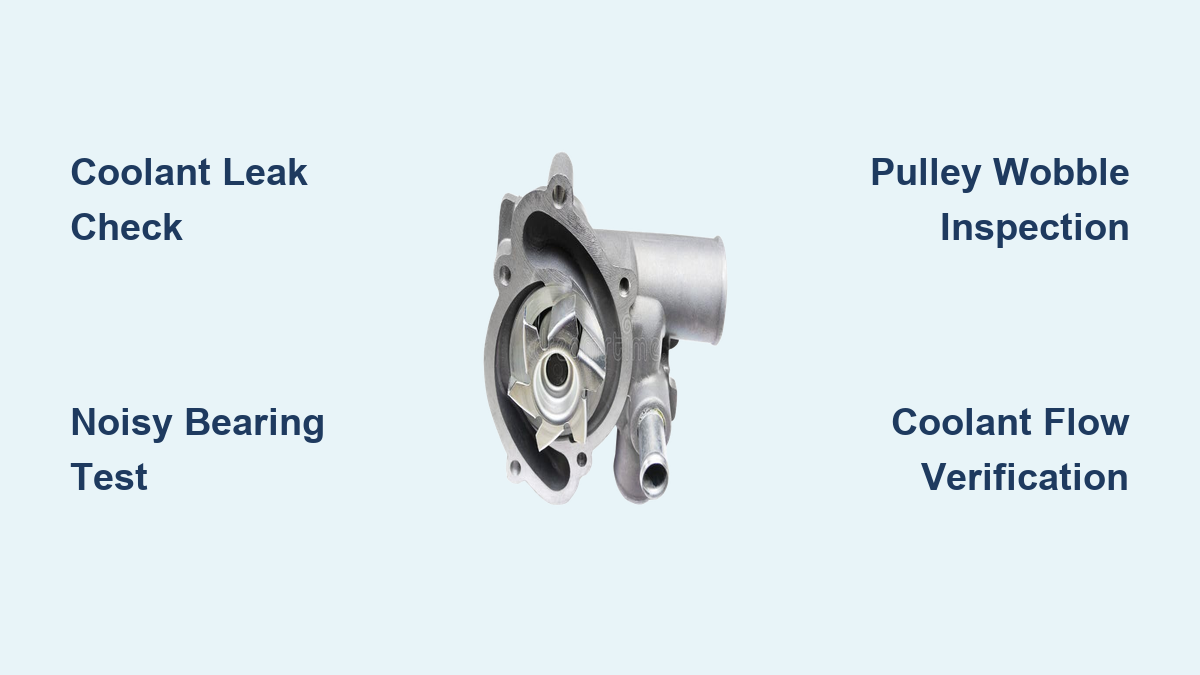
If your car water pump is not working, your engine faces serious danger. Without proper coolant circulation, temperatures spike rapidly and can lead to warped cylinder heads, blown head gaskets, or complete engine failure. The water pump serves as the heart of your cooling system, pushing coolant through the engine block, radiator, and heater core to maintain safe operating temperatures between 195°F and 220°F. When this component fails, symptoms like overheating, coolant leaks, unusual noises, or poor cabin heat appear quickly. Ignoring these warning signs can result in thousands of dollars in repairs.
This guide provides a complete action plan for diagnosing a failing water pump, identifying root causes, and performing the correct fix. You will learn what signs to watch for, how to test your cooling system, when to replace the pump, and why choosing quality replacement parts matters. Whether you handle your own repairs or want to understand what your mechanic should do, this covers every critical step so you can act fast and avoid catastrophic engine damage.
Spot Early Warning Signs
Catching water pump trouble early saves your engine from catastrophic damage. Do not wait for overheating to appear. Look for subtle clues that indicate the pump is beginning to fail.
Check for Coolant Leaks Under Front of Engine
A puddle of green, orange, pink, blue, or yellow fluid beneath the front of your car often signals a failing water pump. Focus your inspection on the weep hole, which is a small drain located behind or below the pulley. A damp spot or visible streak in this area indicates internal seal failure. Look for white, chalky residue or rust-colored stains around the pump housing, as these show chronic seepage and corrosion.
To confirm an active leak, use a clean rag to wipe the suspected area, then start the engine and run it for a few minutes. Recheck the location for fresh wetness. Aftermarket pumps sometimes seep slightly at the weep hole, while OEM or premium brands like Dolz, Aisin, or Bosch are less likely to experience this issue.
Listen for Whining or Grinding Noises
Unusual sounds from the front of the engine frequently point to water pump bearing failure. A whining or squealing noise that increases with engine RPM suggests worn bearings or pulley misalignment. Grinding or rumbling sounds indicate advanced wear, meaning metal-on-metal contact is likely occurring inside the pump.
Use a mechanic’s stethoscope or a long screwdriver pressed against the pump housing while the engine runs to isolate the noise source. If the pulley wobbles during operation, the shaft is damaged and the pump requires immediate replacement.
Test Heater Output Before Overheating Starts
Poor cabin heat can be an early sign of reduced coolant flow, even when the temperature gauge appears normal. If warm air takes too long to arrive or blows cold despite a fully warmed engine, coolant is not circulating properly through the heater core. This could indicate a failing impeller or blocked passages caused by internal corrosion.
Before blaming the pump, rule out low coolant levels or air pockets in the system. However, do not ignore the pump as a possible culprit when heater performance drops unexpectedly.
Confirm Overheating Is Pump-Related
Overheating represents the most urgent symptom of water pump failure. Diagnose the issue quickly, before permanent engine damage occurs.
Monitor Temperature Gauge and Steam
Watch the temperature gauge carefully during operation. If the needle climbs into the red zone, especially in traffic or under heavy load, pull over immediately and shut off the engine. Visible steam rising from under the hood means coolant is boiling. Do not open the radiator cap when steam is present, as pressurized hot coolant can cause severe burns.
A sweet, syrup-like smell confirms coolant is evaporating due to excessive heat. Continuing to drive in this condition risks head gasket failure, cracked cylinder heads, or seized pistons, particularly in interference engines where valve-to-piston contact can occur.
Rule Out Other Cooling System Failures
Not all overheating stems from the water pump. Test these other components first before focusing on the pump.
Check the cooling fans by starting the engine and allowing it to warm up. Both fans should activate, with one turning on at operating temperature and another when the AC is engaged. If the fans do not run, check the fuses, relays, and temperature sensors. Test the thermostat next. If stuck in the closed position, no coolant will flow through the system, causing rapid overheating after startup. Inspect the radiator for blockage if the coolant appears sludgy or if flow seems restricted.
Only after eliminating these other causes should you focus attention on the water pump as the source of the overheating problem.
Diagnose the Pump Step-by-Step
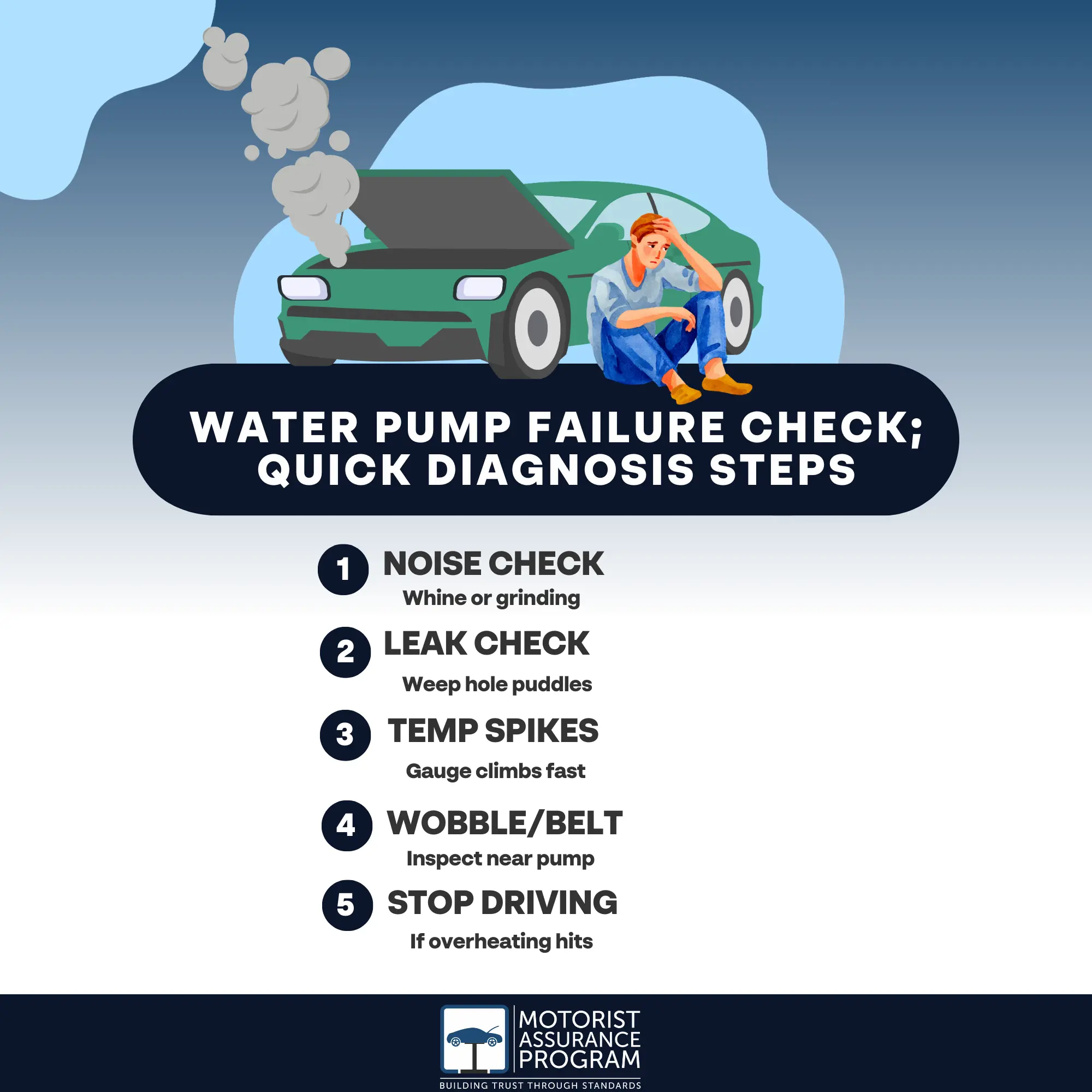
Use a systematic approach to confirm whether the water pump is actually the problem. Follow these diagnostic steps in order.
Inspect Pulley for Wobble and Play
With the engine turned off, grasp the water pump pulley and attempt to wiggle it in all directions. Any side-to-side or up-and-down movement indicates bearing failure. Rotate the pulley by hand. It should turn smoothly without resistance. Grinding or roughness confirms internal damage.
Even slight wobble can misalign the drive belt and cause further damage to other engine components. If play is detected, the pump requires replacement.
Pressure Test the Cooling System
A pressure test reveals hidden leaks and verifies the integrity of the pump seal. Attach a hand pump to the cooling system and pressurize to 13 to 18 psi, or the specification listed in your vehicle manual. Watch the gauge for 10 to 15 minutes. A drop in pressure indicates a leak somewhere in the system.
Inspect the weep hole, hoses, and pump housing carefully while under pressure. Bubbles or seepage appearing at these locations confirm pump failure. This test is essential when coolant is being lost but no visible leak can be found.
Verify Coolant Flow Through Radiator
Start the engine from cold and carefully remove the radiator cap, only if the engine is cool enough to do so safely. As the engine warms, watch for coolant movement through the radiator tubes. No visible flow suggests a failed impeller or blocked passage inside the pump.
If the upper radiator hose stays cold while the engine heats up, the thermostat or water pump is likely at fault. This simple check helps isolate whether the pump is actually moving coolant through the system.
Know the Root Causes of Failure
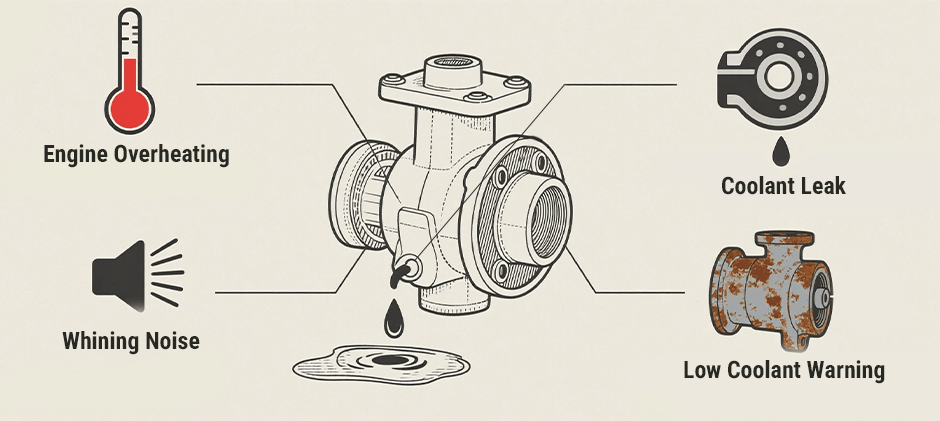
Understanding why water pumps fail helps prevent repeat issues after replacement. Several factors commonly contribute to pump failure.
Age and Mileage Wear
Most water pumps last between 60,000 and 100,000 miles. Beyond this range, seals dry out, bearings wear down, and impellers corrode. High-stress driving conditions, including frequent towing, stop-and-go traffic, and extreme temperatures, shorten the lifespan significantly.
Replace the water pump proactively during timing belt service, even if the pump appears to be functioning normally. This prevents unexpected failure between service intervals.
Contaminated or Old Coolant
Using the wrong coolant type or skipping regular flushes destroys water pumps quickly. Mixing OAT, HOAT, and IAT coolant types causes sludge formation, gel accumulation, and acidic corrosion. Coolant that drops below pH 7.0 eats away at metal and rubber components inside the pump.
Flush the cooling system every 30,000 to 60,000 miles using the correct coolant type and a 50/50 mix of antifreeze and distilled water. Never use tap water, as minerals cause scale buildup and pitting on internal components.
Improper Installation
A common cause of immediate failure after replacement involves improper installation techniques. Missing gaskets, loose bolts, or cross-threaded fittings lead to leaks. Incorrect torque specifications or misalignment creates stress that causes premature wear.
Using a cheap, non-OEM pump increases the risk of weep hole seepage or impeller failure. Always use new seals, follow the manufacturer’s torque specifications, and bleed air from the system after installation.
Timing Belt-Driven Pump Risks
In many engine designs, the water pump is driven by the timing belt. If the belt breaks due to a seized pump, interference engines suffer bent valves and piston damage. This can destroy an engine in seconds.
Replace the water pump when replacing the timing belt. The labor is already required, so doing both simultaneously saves money and prevents future breakdowns.
Replace the Pump the Right Way
Once the diagnosis confirms a failed water pump, replace it immediately. Delaying the repair risks severe engine damage.
Choose a High-Quality Replacement
Avoid cheap aftermarket units that fail prematurely. Stick with OEM parts or trusted brands including Dolz, Aisin, Bosch, Gates, or AC Delco. These manufacturers produce pumps with durable seals, certified quality standards, and better resistance to cavitation and corrosion.
Dolz pumps meet ISO 9001:2015 certification and are manufactured to match original equipment specifications. This reduces the risk of weep hole leakage and extends service life significantly compared to budget alternatives.
Follow Proper Installation Steps
Drain the coolant into a clean container if it is still in good condition and reusable. Remove the drive belt, whether serpentine or timing belt, along with any protective shields. Unbolt and remove the old pump, inspecting the area for rust, debris, or shaft damage.
Clean the mounting surface thoroughly, removing all gasket material and corrosion. Install the new pump using a fresh gasket or sealant as specified by the manufacturer. Torque the bolts to the correct specification, avoiding overtightening that can crack the housing.
Refill the system with the correct coolant mixture, typically 50% antifreeze and 50% distilled water. Bleed air from the cooling system using the vehicle-specific procedure, which may involve running the engine with the heater on or using dedicated bleed screws.
Post-Replacement Checks
Verify the repair worked correctly before driving the vehicle normally. These checks confirm proper installation and system function.
Monitor Temperature and Leaks
Take short test drives while watching the temperature gauge closely. After the engine cools, check for leaks at the weep hole and pump housing. Recheck the coolant level, as it often drops after initial bleeding and subsequent heat cycles.
Confirm Heater and Fan Performance
Turn on the heater and verify that hot air arrives within a few minutes. Ensure the cooling fans activate when the engine reaches operating temperature. Any remaining issues likely stem from air locks or improper installation that require correction.
Prevent Future Failures
Keep your cooling system healthy through regular maintenance to avoid repeat water pump failures.
Flush Coolant on Schedule
Perform a coolant flush every 30,000 to 60,000 miles, or as your vehicle manual specifies. Use test strips to check coolant pH and replace the fluid if it measures below 7.0. Always use the correct coolant type for your specific vehicle.
Inspect Belts and Pulleys Regularly
Check serpentine and timing belts every 15,000 to 30,000 miles for cracks, fraying, or glazing. Replace the water pump during timing belt service to avoid separate repair costs and potential engine damage from a failed pump.
Watch for Corrosion and Contamination
At every oil change, inspect the coolant reservoir. If the coolant appears brown, cloudy, or full of sludge, flush the entire system immediately. Replace the thermostat every two coolant flush cycles to maintain proper flow and temperature regulation.
Frequently Asked Questions About Car Water Pump Not Working
How do I know if my car water pump is not working?
The most common signs include engine overheating, coolant leaks near the front of the engine, unusual whining or grinding noises from the front of the engine, poor cabin heating, and visible corrosion around the pump housing. A pressure test can confirm whether the pump is failing to hold system pressure.
Can I drive my car with a bad water pump?
Driving with a failing water pump is extremely risky. Within minutes of overheating, your engine can suffer permanent damage including warped cylinder heads, blown head gaskets, or complete engine seizure. If overheating occurs, stop driving immediately and have the vehicle towed to a repair facility.
How much does it cost to replace a car water pump?
Replacement costs vary by vehicle make and model, but typically range from $300 to $600 for parts and labor. OEM pumps cost more than aftermarket alternatives, but they offer better reliability and longer service life. Additional costs may include coolant flush, thermostat replacement, and timing belt service if driven by the timing belt.
What causes a water pump to fail suddenly?
Sudden failure usually stems from bearing seizure, impeller damage, or belt breakage. Worn bearings can seize completely, stopping coolant circulation instantly. Corroded impellers can break apart, eliminating pumping capacity. In timing belt-driven pumps, a seized pump can snap the belt, causing immediate loss of coolant flow.
How long does a water pump last?
Most water pumps last between 60,000 and 100,000 miles, depending on driving conditions and maintenance history. Vehicles driven in extreme temperatures, towing heavy loads, or in stop-and-go traffic may experience shorter lifespans. Regular coolant flushes and prompt replacement during timing belt service extend pump life.
Can a water pump be repaired, or does it need replacement?
Water pumps are generally not repaired due to their sealed design. The internal components, including bearings, seals, and impellers, are not serviceable individually. Replacement with a new or remanufactured unit is the standard repair approach.
Key Takeaways for Fixing Your Car Water Pump Not Working
A car water pump not working is a serious issue that demands immediate attention. The water pump is the core component of your engine cooling system, and when it fails, overheating occurs within minutes. Catching early warning signs like coolant leaks at the weep hole, unusual noises, or poor heater output gives you time to diagnose and repair the problem before catastrophic engine damage occurs.
Always diagnose systematically by checking for pulley play, performing a pressure test, and verifying coolant flow. Use quality replacement parts from trusted manufacturers like Dolz, Aisin, or Bosch rather than cheap aftermarket units. Follow proper installation procedures, including using new gaskets, torquing to specification, and bleeding air from the system.
Prevent future failures by maintaining your cooling system on schedule. Flush coolant every 30,000 to 60,000 miles, inspect belts regularly, and replace the water pump proactively during timing belt service. Your engine’s longevity depends on a properly functioning cooling system, and the small investment in maintenance prevents massive repair bills down the road.