A gurgling basement floor drain followed by foul water rising through the grate is every homeowner’s nightmare. When municipal sewer lines overflow from heavy rain or blockages, contaminated water flows backward into your home, causing thousands in damage and serious health risks. A properly installed sewer check valve is the most reliable defense against this disaster.
This guide walks you through every step of sewer check valve installation, from choosing the right type to long-term maintenance. You’ll learn where to place the valve, what permits you need, and why hiring a licensed plumber is non-negotiable. Whether you’re protecting a new build or retrofitting an older home, this is your roadmap to a flood-proof plumbing system.
Choose the Right Sewer Check Valve Type
Selecting the correct valve is the foundation of effective flood protection. Each type addresses different risk levels and backup durations.
Standard Flap Check Valves for Residential Use
These are the most common residential valves. A gravity-operated flap stays open during normal drainage and seals when rising water lifts internal floaters. They handle short-term surges well but may allow minor leaks during prolonged backups. Ideal for homes with moderate flood risk, these valves must meet ANSI 2510 certification standards.
Knife-Edged Flood Gate Valves for High-Risk Zones
Engineered for areas where municipal sewers stay flooded for hours or days. These valves feature a sharp sealing edge that cuts through debris, achieving 100% watertight closure. They cost more and require precise slope during installation. Manufacturer warranties typically mandate a street-side cleanout for these models.
Dual-Action Backflow Valves for Maximum Protection
These combine an automatic check valve with a manual gate valve. The check valve handles automatic closure during backups, while the gate valve allows complete shutoff for servicing. Recommended for homes with repeated flooding history, they offer superior security at a higher cost and complexity.
Assess Your Home’s Backflow Risk Before Installation
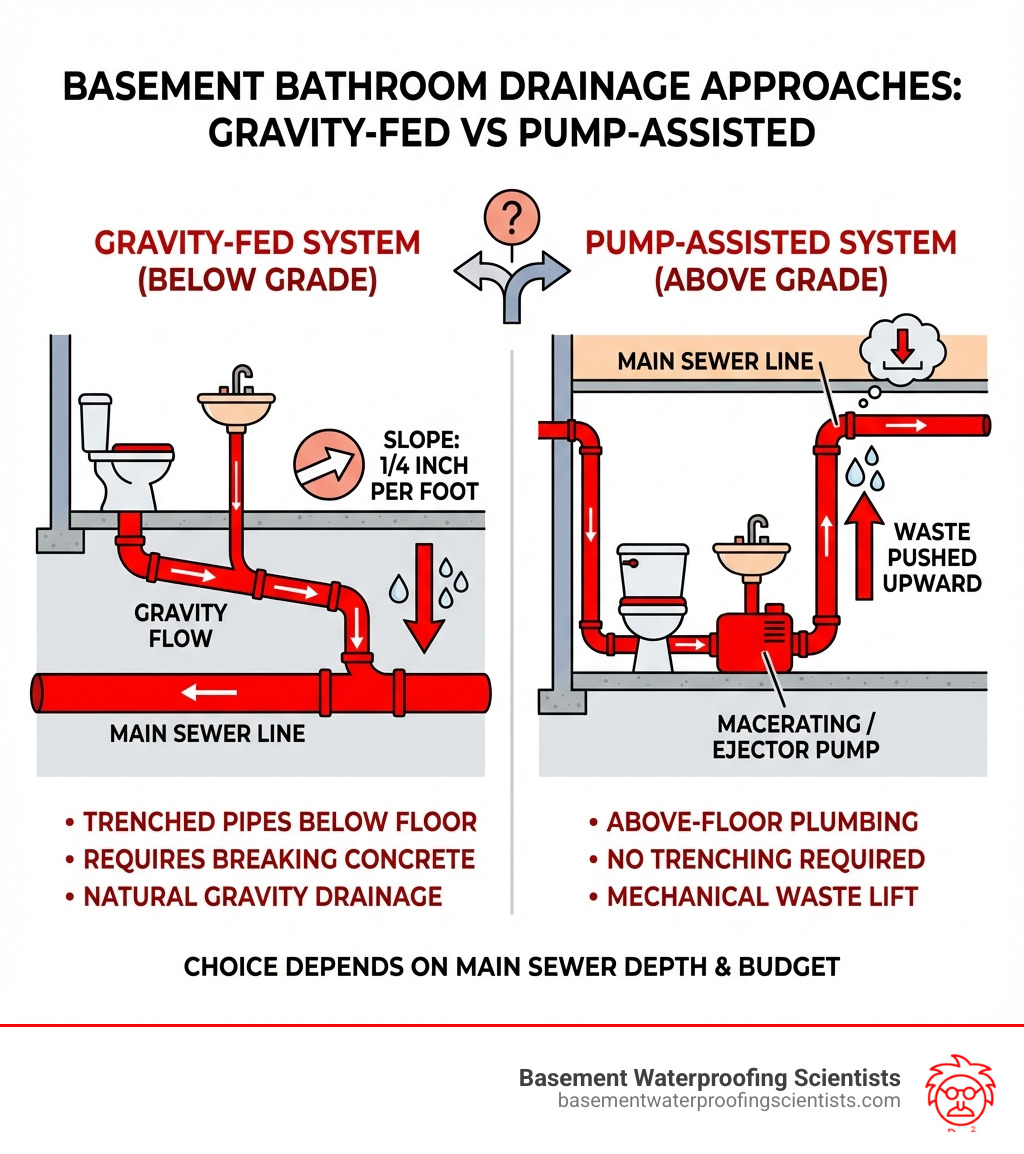
Before any digging begins, determine whether your property actually needs a valve and what kind fits your situation.
Identify High-Risk Property Factors
You need a valve if your home has a basement, fixtures below street level, or sits in a low-lying area. The National Plumbing Code requires backwater valves for any new construction with below-grade plumbing. Even one past backup incident significantly raises future risk due to existing system vulnerabilities.
Understand Common Backup Causes
Backups are rarely random. They typically result from:
– Heavy rainfall overwhelming municipal sewers
– Snowmelt surges
– Tree root intrusion into aging pipes
– Grease and debris buildup
– Collapsed or damaged public sewer lines
Identifying the cause helps distinguish sanitary backups from storm-related flooding, which affects valve selection.
Confirm Sewer Line Condition First
A failing main line can mimic backup symptoms. A professional camera inspection reveals pipe integrity, blockages, and branch connections. The valve must be installed upstream of the first branch line