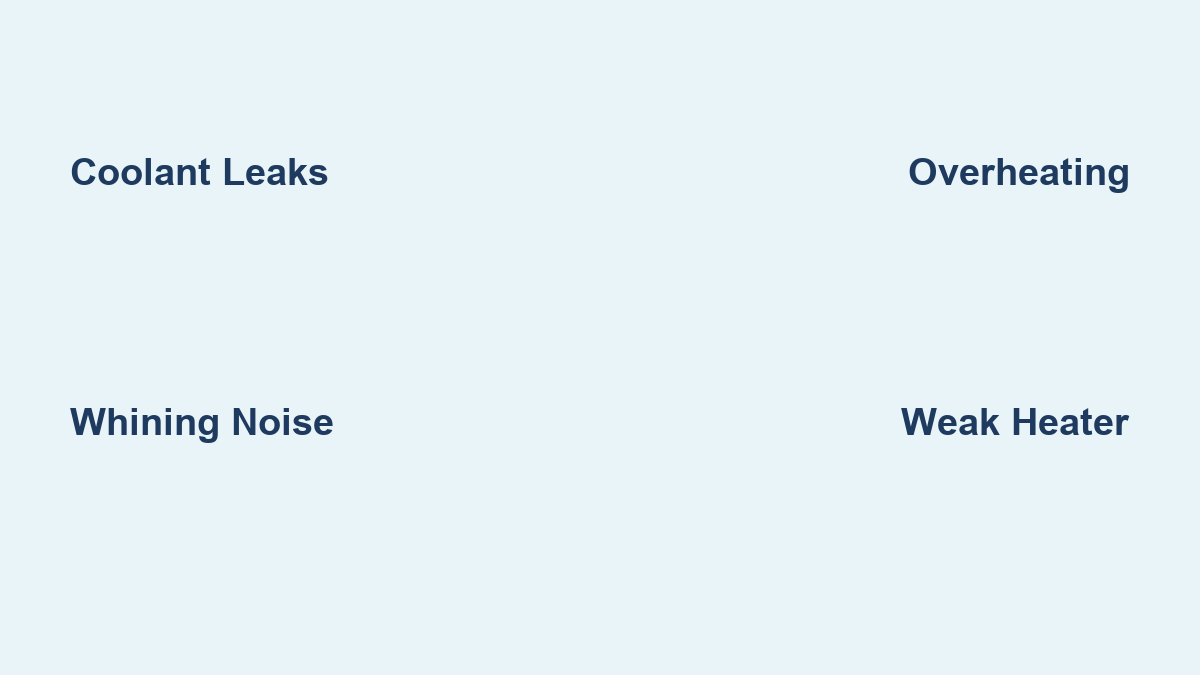
If your car is overheating, leaking colored fluid from the front of the engine, or making strange whining noises, you might be dealing with a failing water pump. This critical component circulates coolant through the engine to maintain optimal operating temperatures, typically between 195°F and 220°F. When it fails, coolant flow stops, leading to overheating, poor heater performance, and potentially catastrophic engine damage like warped heads or cracked blocks. The good news is that a bad water pump rarely fails without warning. Recognizing the early signs like a drip from the weep hole, unusual front-engine noise, or delayed cabin heat can save you from a costly repair. In this guide, you’ll learn how to diagnose a failing water pump using simple visual checks, pressure tests, and real-world troubleshooting techniques so you can act before your engine pays the price.
Spot Coolant Leaks Under the Engine
Check for Fluid Under the Front Center
Look for puddles beneath the front center of your engine, near the timing cover or crankshaft pulley. A bright green, orange, red, or yellow fluid is almost certainly coolant. Because the water pump sits at the engine’s lowest front point, leaks here often originate from it. If you see wetness or staining around the timing belt cover, especially dripping toward the transmission bellhousing, that’s a strong clue the pump’s internal seal has failed.
Identify Weep Hole Leakage
The water pump has a small weep hole at its base designed to leak when internal seals degrade. Even a slow drip from this hole means the pump is failing. While some aftermarket units may seep slightly when new, consistent or increasing leakage is not normal. Use a flashlight to inspect the area. Coolant residue or streaks leading from the hole confirm the source.
Rule Out Other Leak Sources
Not all coolant leaks come from the pump. Radiator leaks usually appear higher and centered. Heater core leaks produce sweet-smelling steam inside the cabin. Hose leaks occur at connections and clamps. Transmission fluid is red and oily, while coolant is brightly colored and watery. If you’re unsure, clean the engine area and let the car run. Then watch where the leak reappears.
Diagnose Engine Overheating Issues

Monitor Temperature Gauge Behavior
A rising needle into the red zone, especially during idling or stop-and-go traffic, signals trouble. Intermittent overheating after 20 to 30 minutes of driving may point to a partially failed impeller or air pockets from poor coolant flow. If the engine cools down after stopping but overheats again when moving, the pump may not be circulating enough coolant under load.
Look for Steam from the Hood
Visible steam is an emergency sign of boiling coolant. Shut off the engine immediately and wait at least 30 minutes before inspecting. Never open the radiator cap on a hot engine. Pressure buildup can cause severe burns.
Scan for Diagnostic Trouble Codes
Use an OBD-II scanner to check for codes. P0217 indicates Engine Overheating. P0115 through P0119 relate to Coolant Temperature Sensor Circuit. P0597 appears with electric pumps in the Thermostat Heater Control Circuit. These don’t directly confirm water pump failure, but they help rule out sensor issues and support other symptoms.
Listen for Unusual Front-Engine Noises
Detect Whining or Howling Sounds
A high-pitched whine that increases with engine RPM often means worn water pump bearings. As the shaft wobbles, the impeller may rub against the housing. This sound is sometimes mistaken for alternator or AC compressor noise, so pinpoint it carefully.
Identify Grinding or Growling
Low-frequency grinding or rumbling indicates advanced bearing wear or impending seizure. If the noise persists at idle and worsens under acceleration, the pump is likely on its last legs.
Check for Squealing from Belt Slippage
A squeal may result from a misaligned pulley caused by shaft play. If the pump pulley wobbles, it can make the belt slip, creating noise. This isn’t just annoying. It can lead to belt damage or failure.
Isolate the Noise Safely
Use a mechanic’s stethoscope or a long screwdriver to confirm the sound source. Press the handle to your ear and place the tip on the pump housing. Never place tools near moving belts. Safety first.
Assess Cabin Heater Performance
Test for Weak or Delayed Heat
If your heater blows cold or lukewarm air, takes a long time to warm up, or cycles between hot and cold, the water pump may not be moving enough coolant. This is especially noticeable at idle when flow is minimal.
Confirm It Is Not an Air Pocket
Poor heater output can also stem from air trapped in the cooling system, especially after a coolant refill. To test, park on a slight incline with the front higher. Remove the radiator cap when the engine is cold. Start the engine with the heater on max. Squeeze the upper and lower hoses to release bubbles. Rev gently to circulate coolant. If heat improves after bleeding, the pump may still be functional.
Use Heat as Supporting Evidence
While weak heater performance alone does not confirm a bad pump, it adds weight when combined with other symptoms like overheating or leaks.
Inspect for Rust, Corrosion, and Damage
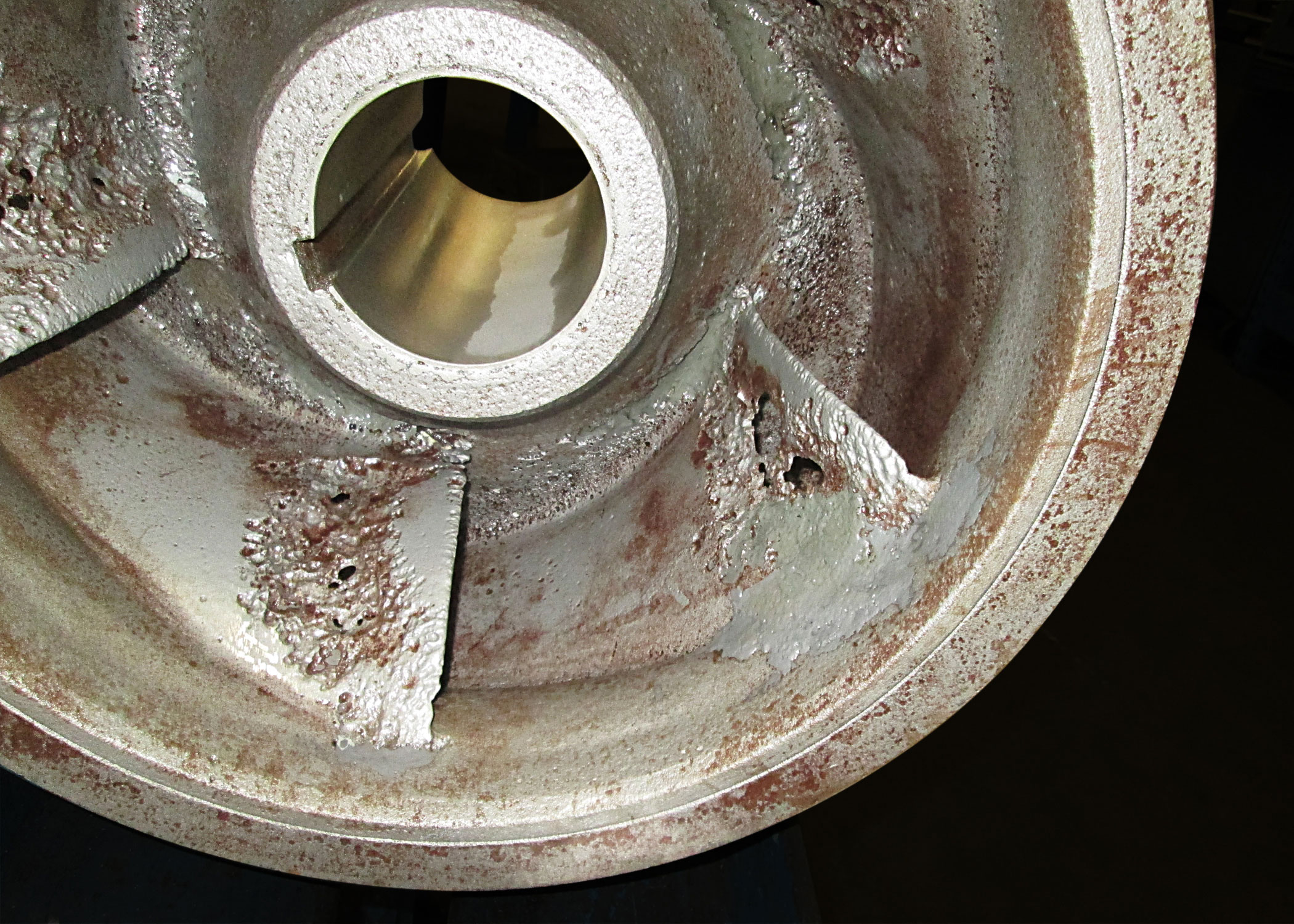
Look for External Signs
Check the pump housing for orange or brown rust spots. Look for white or green chalky deposits from evaporated coolant. Watch for flaking paint or pitting on aluminum surfaces. These indicate prolonged exposure to moisture and chemical breakdown, signs the pump is deteriorating.
Examine the Impeller Condition
If the pump is removed or being replaced, inspect the impeller. Missing or broken vanes reduce flow. Corrosion or cavitation pitting weakens efficiency. Plastic impellers in cheap aftermarket pumps can degrade over time. Even if the pump spins, a damaged impeller will not move coolant effectively.
Perform Hands-On Diagnostic Tests
Test Upper Radiator Hose Pressure
Warm the engine to operating temperature. Wear gloves and squeeze the upper radiator hose. Have someone rev the engine to 2,500 to 3,000 RPM. You should feel a surge of pressure as coolant flows. No surge indicates the impeller may be broken or detached.
Pro Tip: Rev the engine and feel for pressure pushback in the hose. It is a direct sign the pump is working.
Observe Coolant Flow in Radiator
With the engine cold, remove the radiator cap. Start the engine and let it idle. Watch the coolant neck for movement. Coolant should flow or bubble within 3 to 5 minutes as the thermostat opens. No movement indicates the pump is not turning or the impeller is damaged.
Check Pulley for Shaft Play
Remove the drive belt. Grasp the pump pulley and check for side-to-side wobble. Also check for in-and-out movement. Any noticeable wiggle means the bearing is failing. Look for coolant residue around the shaft seal as well.
Pressure Test the Cooling System
Attach a hand-operated pressure tester to the radiator or expansion tank. Pressurize to 13 to 18 psi. Check your vehicle’s spec for exact numbers. Monitor the gauge for 10 to 15 minutes. A rapid pressure drop without visible leaks suggests internal seal failure or weep hole leakage under pressure.
Use UV Dye to Find Hidden Leaks
Add fluorescent dye to the coolant. Run the engine for 15 to 30 minutes. Scan the pump area with a UV light. Even tiny, intermittent leaks will glow, confirming the pump as the source.
Rule Out Other Cooling System Issues
Test the Thermostat
A stuck-closed thermostat blocks coolant flow and causes rapid overheating. To test, remove the thermostat and place it in boiling water. It should open at its rated temperature, usually 180°F to 195°F. If it does not open, replace it. Do not assume the pump is bad.
Verify Radiator Cap Function
A weak cap cannot hold pressure, lowering the coolant’s boiling point. Use a pressure tester to confirm it holds the specified pressure. Replace if faulty.
Check Cooling Fan Operation
Electric fans should turn on around 220°F. If they do not, check the fuses, relays, fan motor, and temperature switch. A non-working fan mimics pump failure.
Inspect the Radiator
Internal clogs restrict flow. Perform a coolant flow test or pressure test. Flush the radiator if needed.
Test for Blown Head Gasket
Symptoms like bubbles in the radiator, white exhaust smoke, or milky oil suggest combustion gases entering the cooling system. Use a block tester to confirm hydrocarbons in the coolant.
Know When to Replace the Water Pump
Replace During Timing Belt Service
If your vehicle uses a timing belt-driven water pump, replace the pump at the same time as the belt. This is common in Honda, Acura, VW, and Audi vehicles. Typical interval is every 90,000 to 105,000 miles. A seized pump can snap the timing belt, causing valve and piston collision in interference engines.
Follow Mileage Guidelines
Most water pumps last 60,000 to 100,000 miles. If yours is original and nearing that range, consider proactive replacement. Especially if you rely on the vehicle daily, the cost of prevention is far less than emergency repairs.
Watch for Failure Risk Factors
Old or contaminated coolant loses lubricity and corrosion protection. Incorrect coolant type can degrade seals. Overtightened belts stress the pump shaft. Cheap aftermarket pumps often fail early due to plastic impellers or weak seals.
Choose the Right Replacement Pump

OEM vs. Aftermarket: What is Best?
| Feature | OEM Pumps | Aftermarket Pumps |
|---|---|---|
| Quality | High-grade seals, bearings, impellers | Varies. Some fail prematurely |
| Weep Hole | Rarely leaks unless failed | Some weep even when new |
| Impeller Material | Metal or reinforced composite | Often plastic, prone to erosion |
| Warranty | Longer coverage | Shorter, limited |
| Cost | Higher | Lower |
Recommendation: Use OEM or high-quality brands like Aisin, Gates, or Bosch. This is especially important in high-mileage or high-heat applications.
Follow Best Practices for Longevity
Use Correct Coolant Type
Always follow the manufacturer’s specification. Use OAT, HOAT, or IAT as required. Maintain a 50/50 mix of coolant and distilled water. Replace every 5 years or 100,000 miles.
Inspect During Routine Maintenance
Check the pump during oil changes or belt services. Look for leaks, rust, or pulley wobble. Early detection prevents roadside breakdowns.
Bleed Air After Coolant Service
After refilling, bleed the system to prevent air locks that mimic pump failure. Park on an incline. Run the engine with the heater on. Squeeze hoses to release bubbles.
Frequently Asked Questions About Bad Water Pumps
How do I know if my water pump is failing?
Look for coolant leaks under the front center of the engine, unusual whining or grinding noises, engine overheating, or weak heater performance. The weep hole at the base of the pump is a key indicator. Even small drips suggest internal seal failure.
Can I drive with a bad water pump?
Short distances are possible if caught early, but driving with a failing water pump risks complete coolant circulation loss. This leads to overheating, warped cylinder heads, or a cracked engine block. Address symptoms immediately.
What does a failing water pump sound like?
A high-pitched whine that increases with RPM indicates worn bearings. Grinding or rumbling sounds suggest advanced bearing failure. Squealing may come from belt slippage due to a wobbling pulley.
How long does a water pump last?
Most water pumps last 60,000 to 100,000 miles. Lifespan depends on maintenance, coolant quality, and driving conditions. Proactive replacement during timing belt service extends reliability.
Does a bad water pump cause overheating?
Yes. The pump circulates coolant through the engine. When it fails, coolant flow stops or reduces, causing the temperature to rise. Overheating is often the first major symptom.
Can I replace the water pump myself?
On serpentine-belt-driven pumps, DIY replacement is straightforward for mechanically inclined owners. Timing belt-driven pumps require more skill due to access complexity. Always follow vehicle-specific guides and use proper tools.
Key Takeaways for Identifying a Bad Water Pump
A failing water pump shows clear warning signs before complete failure. Coolant leaks from the weep hole or front center of the engine are primary indicators. Unusual noises like whining, grinding, or squealing point to bearing or shaft issues. Engine overheating, especially during low-speed driving or idling, signals reduced coolant flow. Weak cabin heater performance adds supporting evidence when combined with other symptoms. Perform hands-on tests like the upper hose pressure check, pulley play inspection, and cooling system pressure test to confirm. Rule out the thermostat, radiator cap, and head gasket before concluding the pump is bad. Replace proactively during timing belt service, and invest in OEM or quality aftermarket pumps to avoid repeat repairs. Your engine’s longevity depends on catching these signs early.