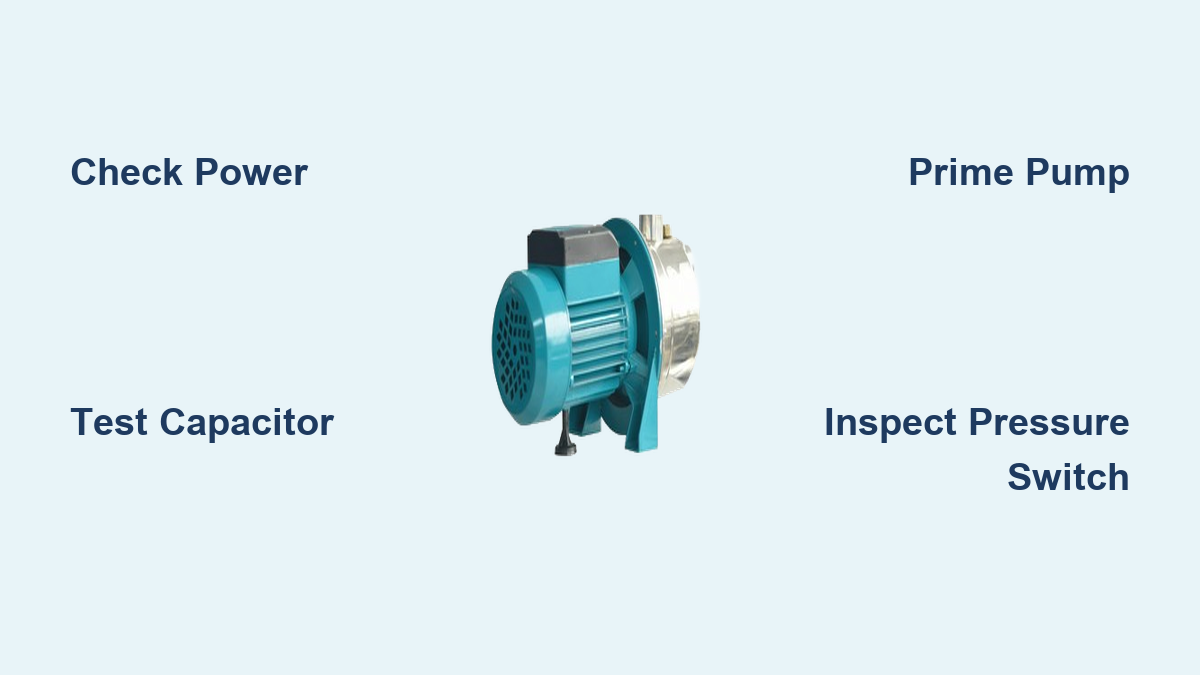
You turn on the faucet, but nothing comes out. No water. No pressure. The pump should be running, yet silence or worse, a faint hum with no results. Water pump not working is one of the most common household emergencies, affecting everything from well systems to irrigation and sump setups. The good news is over 90% of failures are caused by just a few repeatable issues, many of which you can diagnose and fix in under an hour.
Whether your pump is completely dead, running but not pumping, or cycling nonstop, this guide breaks down every possible cause with step-by-step solutions. You will learn how to test electrical components, restore lost prime, identify mechanical faults, and know when to call a pro. We will start with immediate checks you can do right now, no tools needed, then dive into advanced diagnostics.
Check Power and Breaker First
Before tearing anything apart, confirm your pump has power. A tripped breaker is the number one reason for a silent pump.
Inspect Circuit Breaker and Fuses
Go to your electrical panel and look for the pump breaker in the middle position, which indicates it has tripped. Turn it fully off, wait 3 to 5 seconds, then back on. If it trips again immediately, do not reset it, as this signals a short circuit or ground fault.
For older systems, check fuses near the pump or control box. Use visual inspection: a broken filament means it is blown. Replace only with exact amperage-rated fuse; never upgrade.
Verify Local Switches and Outages
Find the well shut-off switch, usually near the pressure tank, and ensure it is on. Test other appliances to see if multiple circuits are dead, which would indicate a whole-house outage. Confirm neighbors have power to rule out utility issues.
Listen: Is the Motor Running
Your ears are powerful diagnostic tools. The sound or lack thereof tells you whether the problem is electrical, mechanical, or hydraulic.
Motor Runs but No Water Output
If you hear a hum or vibration but no water, the motor is energized but not pumping. This is common in jet, centrifugal, or self-priming pumps. Likely causes include air lock, impeller damage, or reverse wiring.
Motor Not Running at All
No sound and no vibration points to electrical failure, such as a bad switch, capacitor, or wiring. Check the pressure switch, as it may not be signaling the pump to start.
Test the Pressure Switch
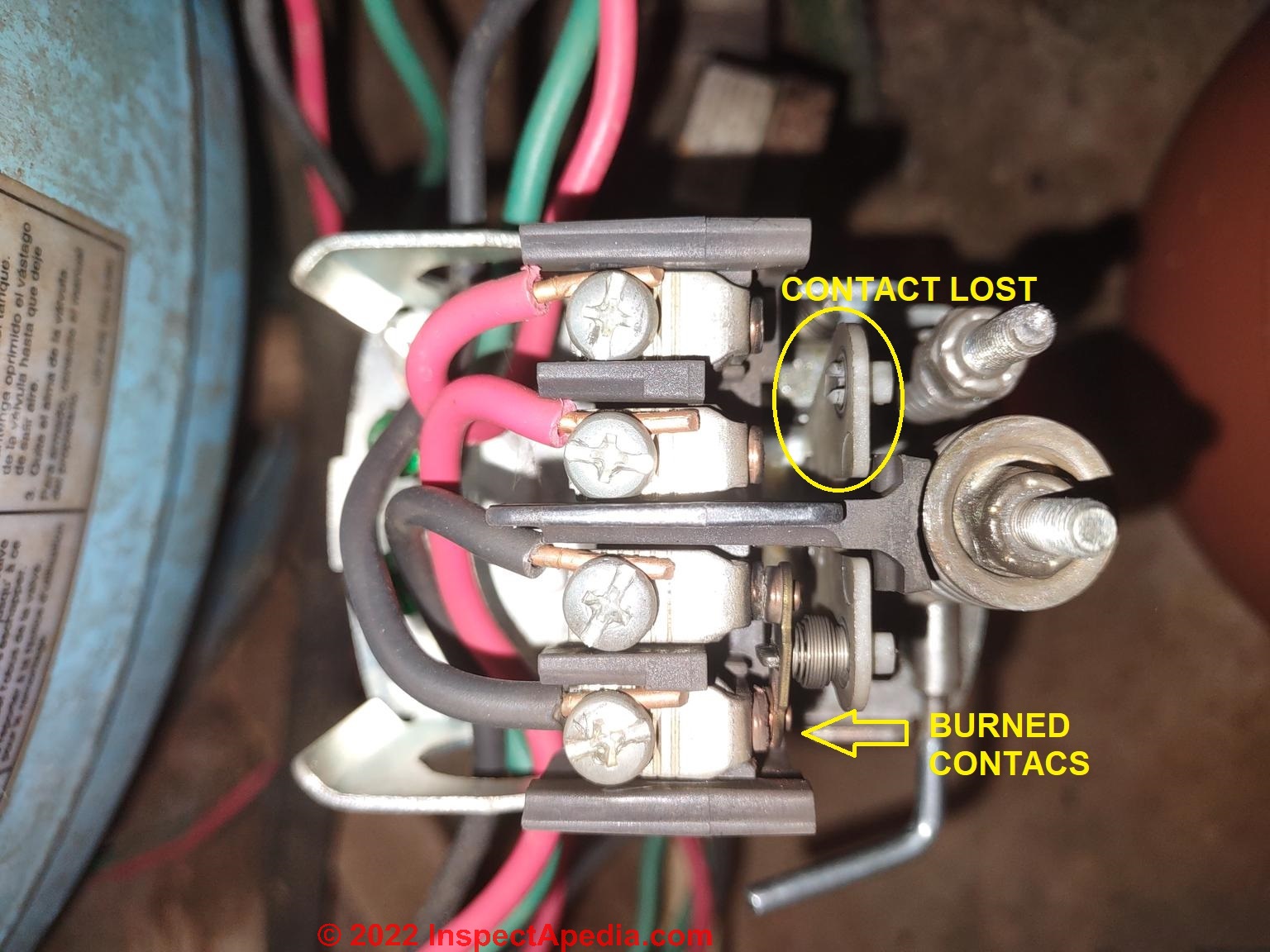
The pressure switch turns the pump on and off based on system pressure. It is a frequent failure point and easy to test.
Inspect for Burned or Pitted Contacts
Turn off power and open the switch housing. Look inside at the contacts. Gold-colored contacts are healthy, while blackened or pitted terminals indicate arcing and poor connection.
Clear the Sensor Tube
A small tube connects the switch to the water line. If clogged with sediment, the switch cannot sense pressure, and the pump never starts or runs continuously. Remove the tube, flush with vinegar or replace it, then reconnect securely.
Examine the Capacitor
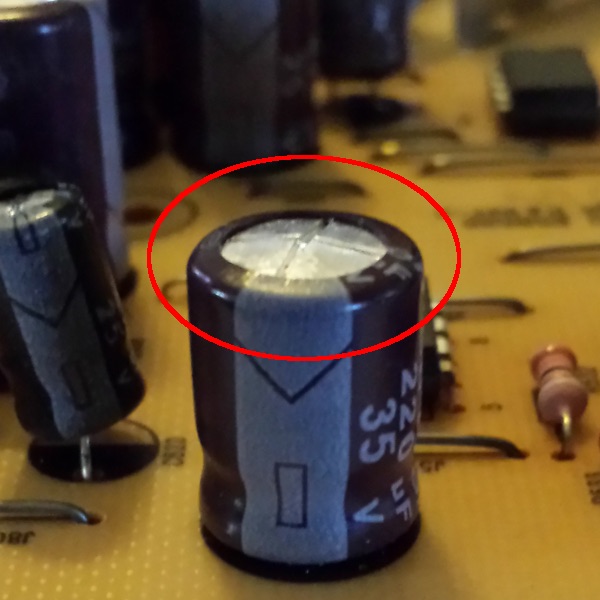
The start capacitor provides the initial jolt to spin the motor. It fails more often than any other component.
Look for Physical Damage
On the control box, remove the cover with power off. Inspect the capacitor for bulging top, leaking oil, cracks, or burn marks. The dome should be flat or slightly indented, never domed.
Replace the Capacitor Safely
Capacitors store energy even when power is off. Discharge by shorting terminals with an insulated screwdriver. Note the wiring, then replace with identical microfarad and voltage rating. Use OEM or matched-spec part.
Prime the Pump If It Is Air-Locked
Running but no water? You likely have an air lock or lost prime, common in jet and surface pumps.
Use the Priming Port
Turn off the pump and locate the red priming valve on the pump housing. Unscrew and pour in clean water until full, then close the valve and restart the pump. Repeat if necessary.
Purge Air While Running
With pump running, crack open the priming valve slightly and let air escape until water flows steadily, then close the valve. If it will not hold prime, suspect a leaky foot valve, damaged impeller, or air ingress in the suction line.
Evaluate the Pressure Tank
A faulty tank causes short cycling or failure to maintain pressure.
Check for Waterlogging
Find the air charging valve that looks like a tire valve. With pump off and system drained, press the stem. Air coming out is normal; water spraying out means the bladder is ruptured and the tank is waterlogged.
Recharge Air Pressure
Use a tire gauge to check pressure. It should be 2 psi below the pump cut-in pressure. For example, a 30/50 psi switch means the tank should be at 28 psi. Add air with a standard compressor if low.
Inspect Suction Line and Intake
Even a powerful pump cannot work if it cannot draw water.
Clear the Intake Filter
Remove the suction screen at the hose end and clean out debris like leaves, gravel, plastic, and sediment. Reinstall securely.
Seal Air Leaks in Suction Hose
Air entering the line breaks suction. Check for hose not fully submerged, cracks, loose clamps, or damaged fittings. Use spiral-reinforced or rigid suction hose and tighten all connections with stainless steel clamps.
Diagnose Mechanical Failures

If electrical and hydraulic systems check out, the issue may be internal.
Test Motor Windings for Submersible Pumps
Only do this if power and capacitor are good. Disconnect wires at the control box, set multimeter to ohms, and test resistance. For a 1/2 HP, 230V pump, black to yellow should read 4.6 to 5.2 ohms, and red to yellow should read 16.7 to 20.5 ohms. Infinite or zero readings mean motor windings have failed and the pump must be pulled by a professional.
Rule Out Environmental Causes
Sometimes the problem is not the pump but the conditions.
Check for Frozen Pipes
Frozen pipes are common in crawl spaces, basements, and outdoor enclosures. The pump runs but no water comes out, and sections of pipe feel cold or frosty. Use heat tape or hair dryer to thaw; never use open flame.
Confirm Water Source Level
In droughts or dry seasons, the water table may have dropped below the pump intake, especially affecting shallow well or jet pumps. Signs include sputtering, sediment in water, and pump running dry and overheating.
Avoid Common Wiring Mistakes
A pump that runs but delivers no water might be spinning backward due to reverse polarity in 240V systems.
Reverse Polarity on 240V Systems
This is caused by swapping line one and line two. The motor spins the opposite direction, and the impeller moves no water. Unusual hum and no pressure buildup are signs. Turn off power, consult the pump manual, and swap line connections at the control box.
Decide: Repair or Replace
Not every failed pump needs replacement, but some do.
Repair If the Pump Is Under 10 Years Old
Repair if the issue is capacitor, switch, fuse, or clogged filter, with no signs of motor burnout or repeated breaker trips. Most repairs cost under 200 dollars.
Replace If the Pump Is Over 10 to 15 Years Old
Replace if motor windings failed, there are frequent repairs in the past 1 to 2 years, or the breaker trips repeatedly with no clear cause. Full replacement costs 975 to 2,750 dollars. If repair costs exceed half the price of a new pump, replace it.
Prevent Future Failures
Keep your pump running longer with simple maintenance.
Annual Maintenance Checklist
Test pressure tank air charge, clean intake filter, and inspect wiring and connections every year. Replace capacitors every 5 to 7 years, even if they look fine. Keep a spare pressure switch and capacitor on hand. Drain pump and lines before freezing weather and store hoses indoors.
When to Call a Professional
Some jobs are not DIY-safe. Call a licensed technician if the breaker trips repeatedly, there are burned wires or scorch marks, connections are exposed live, the submersible pump motor failed, or well depth exceeds 100 feet.
Frequently Asked Questions About Water Pump Not Working
Why Is My Water Pump Running but Not Pumping Water
This is usually caused by an air lock, lost prime, or reverse wiring. Try priming the pump through the priming port. If that does not work, check for reverse polarity in 240V systems or inspect the impeller for damage.
How Do I Know If My Pressure Switch Is Bad
Signs include the pump not starting, running continuously, or short cycling. Inspect the contacts for blackening or pitting. Tap the switch gently; if the pump starts, the contacts are stuck and need replacement.
Can I Replace a Capacitor Myself
Yes, if you follow safety procedures. Turn off power, discharge the old capacitor by shorting its terminals, note the wiring, and replace with one having identical microfarad and voltage ratings. Use OEM or matched-spec parts.
What Causes a Water Pump to Lose Prime
Common causes include a leaky foot valve, damaged impeller, air ingress in the suction line, or a cracked suction hose. Inspect all connections and seals, and replace any damaged components.
How Often Should I Replace My Water Pump
Submersible pumps typically last 8 to 15 years, while jet pumps last 8 to 10 years. With proper maintenance, you can extend lifespan to 15 to 25 years. Replace when repairs become frequent or costs exceed half the price of a new unit.
Why Does My Pump Keep Tripping the Breaker
This indicates a short circuit, ground fault, or motor overload. Common causes include bad capacitor, damaged wiring, or stuck impeller. Do not repeatedly reset the breaker; investigate the root cause or call a professional.
Key Takeaways for Fixing a Water Pump Not Working
A water pump not working is stressful, but rarely hopeless. Most fixes are simple, fast, and cheap, with capacitor or pressure switch replacements accounting for 9 out of 10 failures. Always check power first, then listen for the motor sound to narrow down electrical versus mechanical issues. Follow the systematic diagnostic steps in this guide to identify the problem, and perform annual maintenance to extend your pump lifespan. When in doubt, call a professional rather than risking damage or safety hazards.