
If your RV faucet runs dry or your shower starts sputtering mid-use, the water pump likely needs replacing. The good news? This is a straightforward DIY job most RV owners can complete in under two hours with basic tools. This guide walks you through diagnosing the problem, finding the pump, removing the old unit, installing a new one, and testing thoroughly to restore reliable water flow.
Diagnose Before You Replace Your RV Water Pump
Don’t assume the pump is dead. Many issues mimic pump failure but stem from simple fixes worth checking first.
Check the Fuse
A blown fuse ranks among the top reasons an RV water pump won’t turn on. Locate the water pump fuse in your electrical panel, typically labeled and rated 5-10A. Test it with a multimeter or fuse tester and replace only with the same amperage. If the new fuse blows immediately, inspect wiring for shorts or rodent damage.
Clean the Intake Strainer
A clogged filter starves the pump of water and mimics failure. Find the clear bulb-shaped strainer on the inlet line, unscrew the cap, and remove the metal screen inside. Rinse thoroughly under running water and reinstall. Transfer the old strainer to your new pump if compatible.
Verify 12V Power at the Pump
No power means the issue sits upstream, not in the pump itself. Turn off the pump switch, disconnect wires from the terminals, then turn the switch back on. Use a multimeter to check for approximately 12V DC between the red hot wire and black ground wire. If no voltage appears, trace the circuit for switch issues, wire damage, or rodent-chewed insulation.
Rule Out System-Wide Issues
Before pulling tools, confirm these conditions. The freshwater tank must contain water. The city water hose should be disconnected. Low-point drain valves must be closed. The inlet hose cannot be kinked or blocked. The water heater bypass should be in normal position. One user confirmed power and a clean strainer before concluding the pump itself was the true failure point.
Locate Your RV Water Pump

Finding the pump can feel like half the battle, especially in tight R V spaces.
Common Installation Spots
The pump typically lives in one of several locations depending on your RV layout. Front storage compartments called water bays host most pumps. Some installations sit under the bed or near the bathroom sink. Others mount close to the water heater or freshwater tank. A few models hide inside utility access panels.
Smart Search Strategies
Turn on the pump switch and listen carefully for a humming sound. Trace the inlet hose from the freshwater tank as it leads directly to the pump. Shine a flashlight into compartments to spot the pump body. Consult your owner’s manual or search YouTube for model-specific videos showing exact locations.
Prepare the System Safely
Drain and disconnect to prevent water damage and electrical hazards before starting work.
Shut Down and Depressurize
Follow these steps in order. Turn off the water pump switch inside the RV. Disconnect from city water supply. Open a cold faucet to release line pressure. Open low-point drain valves to empty plumbing lines. Drain the freshwater tank, especially if it sits above pump level. Engage the water heater bypass valve to isolate the heater. Pull the water pump fuse as a critical safety step. Place towels or a bucket under the pump to catch drips. Allow 5-10 minutes after disconnecting city water for residual flow to stop completely.
Remove the Old Water Pump
Time to extract the failed unit and clear the mounting area.
Tools You Will Need
Gather these essential tools before starting. A screwdriver or drill with square #2 bit handles mounting screws. An adjustable wrench or pliers works for hose clamps. Wire cutters and strippers prepare electrical connections. A multimeter tests power. Heat shrink connectors need a heat gun. Keep gloves and a flashlight nearby for visibility.
Step-by-Step Removal
Remove the access panel to expose the pump. Note the flow direction arrows on the pump body, showing which side pulls from the tank and which pushes to plumbing. Disconnect electrical wires, using spade terminals, bell caps, or latching controllers. Label or photograph connections before removal. Cut corroded connectors and strip about half an inch of wire for reuse. Detach water lines from both inlet and outlet hoses, expecting residual water. Unscrew the four mounting screws and pull the pump free. Clean the mounting area thoroughly.
Choose and Install the Right Replacement Pump
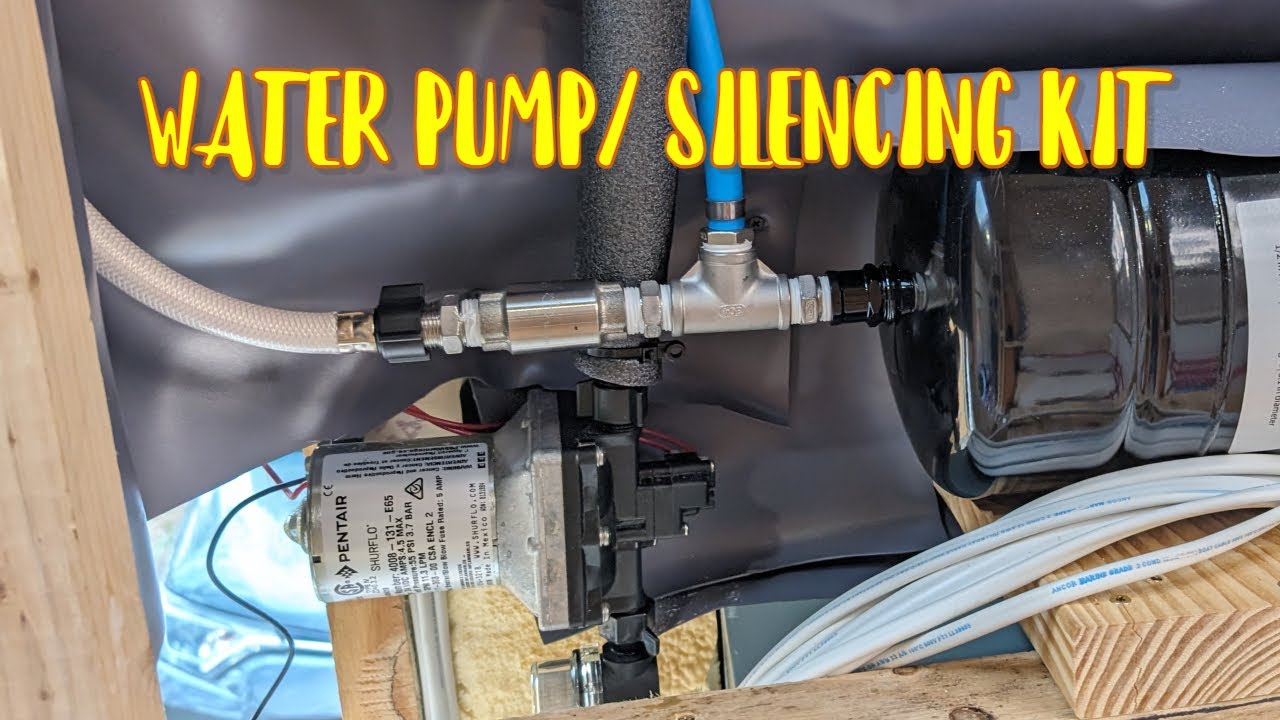
Select a reliable model and install it correctly the first time.
Key Pump Specifications to Match
Your replacement must meet certain criteria. Voltage should be 12V DC. Flow rate typically ranges from 3.0-5.5 GPM. Pressure output should fall between 40-70 PSI. Inlet and outlet sizes usually run 1/2 inch NPT or MNPT. The pump must be self-priming and include thermal overload protection.
Recommended Replacement Models
Several trusted options exist for RV water pump replacement. The Shurflo 12V delivers 5.3 GPM at 55 PSI and serves as OEM in most RVs for proven durability. The VEVOR 12V offers 5.5 GPM at 70 PSI with adjustable pressure and thermal protection. The Seaflo 42 Series provides 4.0 GPM at 50 PSI as a budget-friendly option. Remco units deliver 4.5+ GPM at 50+ PSI with US manufacturing and a 2-year warranty.
Mount the New Pump
Reuse original mounting screws if undamaged. In tight spots, start rear screws by hand since a drill won’t fit. Tighten in order: front, rear, then top. Add rubber bushings or shock mounts to reduce noise transmission.
Reconnect Water Lines
Align flow arrows carefully during reconnection. The inlet strainer arrow points toward the pump. The pump outlet arrow points away toward plumbing. Hand-tighten fittings first, then turn an additional quarter to half turn. Never over-tighten plastic fittings. Wrap threaded joints with Teflon tape to prevent leaks.
Install an Inline Check Valve
This upgrade prevents city water from backflowing into your freshwater tank. Install it on the inlet line between the tank and pump. Ensure the arrow points toward the pump. This simple $6 part from Amazon or hardware stores extends pump life significantly.
Rewire with Confidence
Strip wires about half an inch. Crimp heat shrink butt connectors for best moisture resistance. Connect the black wire to the ground terminal and red wire to the positive terminal. For latching controllers, join the yellow switch signal wire and red power wire to the controller input. Take photos before disconnecting to make reassembly foolproof.
Test the New Pump Thoroughly
Never skip testing. Catch issues before they cause damage or leaks.
Step-by-Step Activation
Close all low-point drain valves. Refill the freshwater tank with clean water. Turn off the water heater bypass to restore the heater to the system. Replace the fuse and turn on the pump switch. Open the nearest faucet. Listen for a smooth hum without grinding or pulsing. Check all connections for leaks using your fingers or towels. Wait for the pump to shut off automatically, confirming the pressure switch works. Run both hot and cold taps to purge air from lines. Re-inspect for leaks after the system pressurizes. Air spitting from faucets is normal initially; run water for 30-60 seconds to bleed the system.
Upgrade for Better Performance
Small additions make a big difference in system longevity and comfort.
Add an Accumulator Tank
An accumulator tank stores pressurized water and reduces pump cycling. Connect it to the outlet side of the pump. The Seaflo pre-pressurized tank works well and costs modestly. Benefits include smoother flow, quieter operation, and less wear on the pump motor. One user reported their pump cycles half as much after adding this upgrade.
Reduce Noise and Vibration
Mount the pump on rubber bushings or foam pads to absorb vibration. Insulate the surrounding area with closed-cell foam. Consider relocating to a vertical wall if space allows. Loop the inlet hose to absorb vibration before it reaches the mounting surface.
Maintain Your RV Water System Long-Term
Prevent future failures with simple regular care.
Maintenance Schedule
Clean the intake strainer every 3-6 months. Inspect O-rings, hoses, and wiring annually. Flush with RV antifreeze before winterizing. Check for leaks and test operation after any storage period.
Power Management Considerations
Leaving the pump on offers convenience since it runs only when a tap opens. However, this risks undetected leaks causing flooding. Turning the pump off when not in use prevents flooding but requires remember to activate it before water needs. One user lost a full tank due to a failed water heater plug, noting damage would have been minimized had the pump been off.
Troubleshoot Post-Installation Issues
Quick fixes address common problems after replacement.
No Water Flow
Cause likely involves an air lock or closed valve. Open the faucet, bleed air from the system, and confirm the tank isn’t empty.
Leaking Connections
Loose fittings or damaged O-rings usually cause drips. Re-tighten slightly and replace seals. Re-tape threaded connections if needed.
Pump Runs Continuously
This indicates a system leak, air in lines, or a faulty pressure switch. Inspect for drips, bleed air from lines, and test the pressure switch function.
Excessive Noise
Vibration or poor mounting causes loud operation. Add rubber mounts and verify the flow rate matches your system requirements.
Short Cycling
Air in lines, low tank level, or no accumulator causes rapid on-off cycling. Bleed air, refill the tank, and consider installing an accumulator tank.
Frequently Asked Questions About Replacing Your RV Water Pump
How Do I Know If My RV Water Pump Needs Replacing?
Signs include no water output despite power and water supply, intermittent or sputtering flow, continuous running without shutting off, unusual grinding or clicking noises, and visible leaks around the pump body. Always diagnose first by checking the fuse, strainer, and power delivery before assuming pump failure.
How Long Does It Take to Replace an RV Water Pump?
Most DIYers complete the job in 1-2 hours. This includes diagnosis time, preparation, removal, installation, and testing. Experience with similar plumbing or electrical work helps speed the process.
Can I Replace My RV Water Pump Myself, or Do I Need a Professional?
DIY replacement is beginner-friendly and saves $200-400 in labor costs. With basic tools and this guide, most RV owners handle it successfully. Professional service typically costs $300-500 including parts and labor.
What Size RV Water Pump Do I Need?
Most RVs use 12V DC pumps with flow rates between 3.0-5.5 GPM and pressure output of 40-70 PSI. Match the inlet and outlet sizes, typically 1/2 inch NPT. Ensure the replacement is self-priming with thermal overload protection.
Why Does My New RV Water Pump Run Constantly?
A running pump usually indicates a system leak preventing pressure buildup, air trapped in the lines, or a faulty pressure switch. Inspect all connections for drips, bleed air from the system, and test the pressure switch with a multimeter.
Should I Add an Inline Check Valve to My RV Water System?
Yes. An inline check valve prevents city water backflow into your freshwater tank and reduces strain on the pump. It costs approximately $6 and installs easily on the inlet line between the tank and pump.
Key Takeaways for Replacing Your RV Water Pump
Replacing an RV water pump is a rewarding DIY project that restores your water system without expensive service calls. Always diagnose first by checking the fuse, cleaning the strainer, and verifying power reaches the pump before replacing the unit itself. Choose a replacement matching your voltage and flow requirements, with Shurflo and VEVOR offering reliable performance. Install an inline check valve and consider an accumulator tank as worthwhile upgrades that extend system life. Test thoroughly after installation, checking for leaks and confirming the pump shuts off automatically at proper pressure. With proper preparation, the right parts, and attention to detail, you will complete this repair confidently and save hundreds in the process. Your RV water system will run smoothly, and you will gain the confidence to handle future maintenance yourself.