Water pooling in your basement can strike suddenly, whether from heavy rain, a burst pipe, or a sewer backup, and it quickly becomes a serious problem. If you’re searching for how to pump water from basement, you’re likely facing an urgent situation that demands immediate action. Standing water damages flooring, walls, and stored belongings while creating ideal conditions for mold growth, structural weakening, and health risks, especially if the water is contaminated. This guide walks you through every step of removing basement water safely and efficiently, from assessing risks and selecting the right pump to executing the dewatering process and preventing future flooding.
Safety First: Protect Yourself Before Pumping
Cut Power to Avoid Electrocution
Before stepping into a flooded basement, turn off electricity to the affected area. Water conducts electricity, and live circuits can be deadly. If your electrical panel is on the upper floor, switch off the basement circuit at the breaker. However, if the panel is located in the flooded area, do not enter the space. Contact your utility provider to disconnect power to the entire house instead. Never operate electrical pumps or extension cords in standing water without GFCI protection.
Identify the Water Source
Determining the source of flooding helps you respond appropriately. Rainwater or groundwater seepage is usually clean but requires urgent removal. Plumbing leaks are often localized and need the source fixed after pumping. Sewer backups represent black water and are highly dangerous. If you suspect sewage contamination, wear gloves, goggles, and a mask, and call a professional immediately. Do not handle this type of flooding alone.
If rain is still falling or the ground outside remains saturated, delay aggressive pumping. Removing water too quickly can create a pressure imbalance that risks cracking or buckling foundation walls.
Prevent Structural Damage During Dewatering
When soil around your foundation is soaked, it pushes inward with significant hydrostatic pressure. Draining the basement too fast removes internal water pressure, allowing wet earth to crack or buckle walls. Follow FEMA’s gradual dewatering rule to protect your home’s structure.
Pump out 1 foot of water, then wait 24 hours. If water doesn’t rise, pump another foot. After 48 hours of stable water levels, you can remove 2 to 3 feet per day. For deep floods or visible cracks, consult a structural engineer before starting the pumping process.
Document Damage for Insurance
Take photos or videos of the flooded basement before beginning cleanup. Include close-ups of water levels, damaged items, and the source if visible. This documentation is crucial for insurance claims. Note the date, time, and weather conditions when the flooding occurred.
Choose the Right Pump for Your Flood Level
Use Submersible Pumps for Deep Flooding
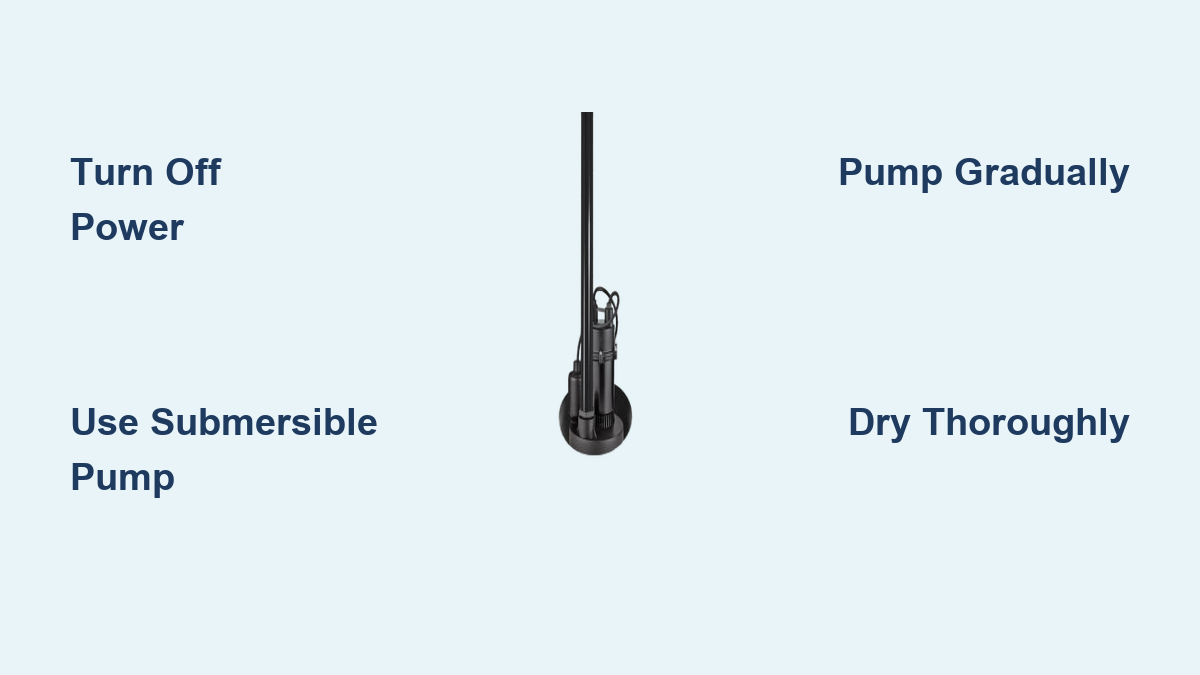
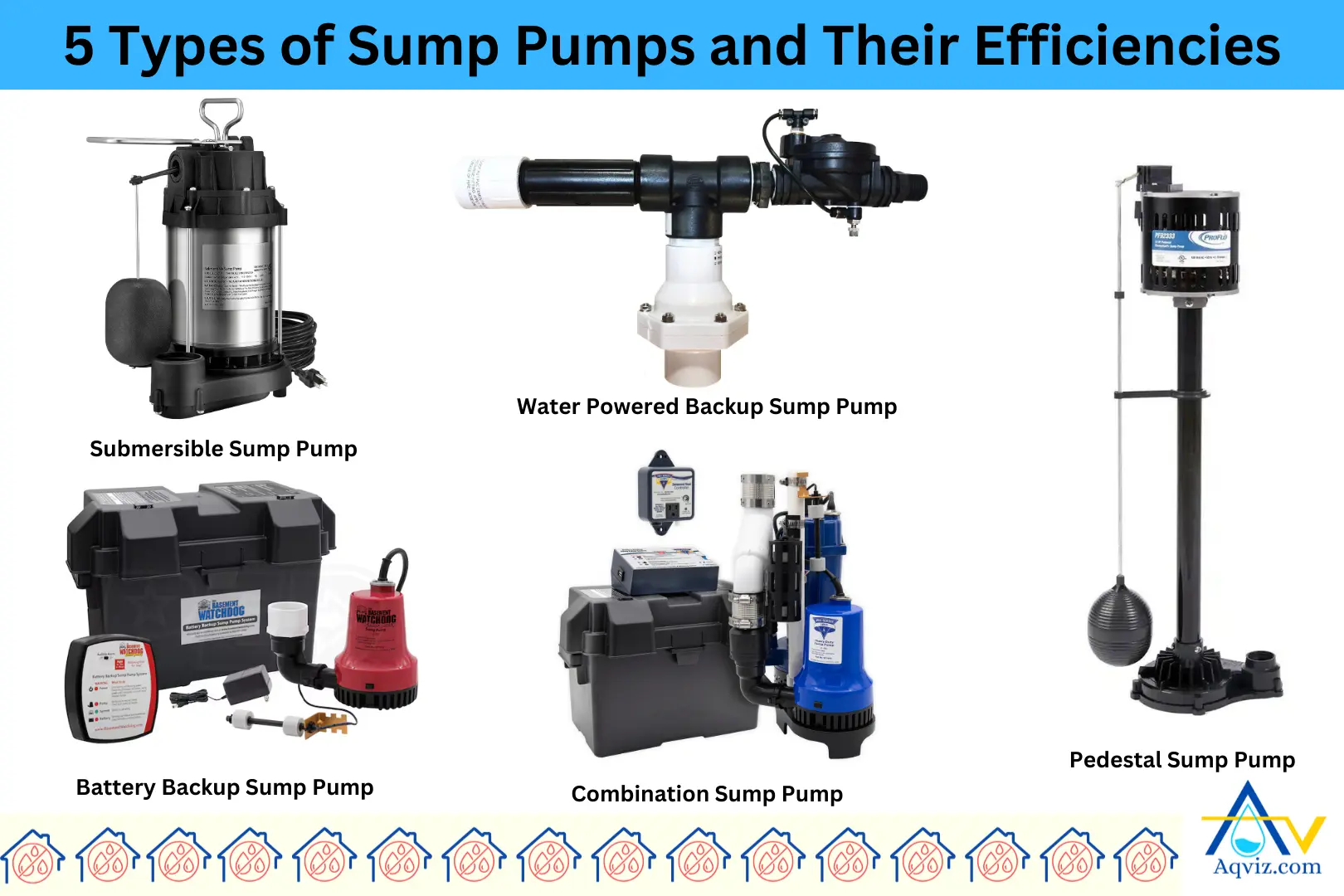
When water exceeds 1 foot, a submersible pump is your most effective tool. These pumps sit fully submerged on the basement floor and move large volumes quickly. Look for models with capacity up to 4,000 gallons per hour and a motor of one-half horsepower or higher for efficient operation. Use a discharge hose at least one and a half inches in diameter to prevent clogging and maximize flow.
Place the pump at the lowest point in the basement, ensuring it remains fully covered. Connect to a hose routed at least 10 to 20 feet from your foundation to prevent water from re-entering. Larger hoses and stronger motors remove water faster, so avoid kinks or sharp bends in the discharge line.
Install a Sump Pump for Recurring Issues
If your basement floods frequently, install a sump pump system. It sits in a pit at the lowest point and activates automatically when water rises. Your system should include a primary electric pump with a float switch and a backup option. Battery-powered backups using a 12V marine battery work well during power outages. Water-powered backups use city water pressure and require no electricity at all.
Test your sump pump monthly and clean the pit annually. Ensure the float moves freely without restriction. As plumbing expert Richard Trethewey advises, a backup sump pump is essential, especially during power outages when flooding risk is highest.
Try Utility Pumps for Moderate Flooding
For flooding between 6 inches and 3 feet, a portable utility pump works well. These lightweight pumps are easy to move and can handle dirty water with debris. Place the pump above water level or partially submerged, attach a discharge hose, and route it away from the house. Utility pumps are ideal for temporary use in basements, pools, or crawlspaces.
Unlike submersible models, some utility pumps can run dry briefly, making them useful for final cleanup stages.
Try Fountain Pumps for Minor Pooling
If you have only 1 to 4 inches of water in a corner, a fountain pump provides a low-cost solution. Buy a pump rated to lift water at least 4 feet vertically, then connect it with a flexible vinyl hose secured with a hose clamp. Use the smallest nozzle for maximum lift and plug into a power bar for manual control.
Place the pump on the floor and tilt it slightly to keep the intake submerged. While not automatic or powerful, fountain pumps effectively handle isolated puddles and require no wiring.
How to Set Up and Run the Pump
Position the Pump Correctly
For submersible and fountain pumps, place them at the deepest point in the basement, fully submerged. Ensure the intake isn’t blocked by debris. For non-submersible utility pumps, set them on a dry, stable surface above water level. Never let water touch the motor housing.
Connect and Route the Discharge Hose
Attach a hose to the pump’s outlet and use a hose clamp to prevent leaks. Route the hose away from the foundation toward a storm drain, dry well, or low-lying area at least 10 to 20 feet from your home. Never route discharge into a septic system or neighbor’s yard. Keep the hose straight and unobstructed, since kinks reduce flow and strain the pump motor.
Start and Monitor the Pump
Turn on the pump and watch for warning signs. Air suction causes sputtering or loud noise, so adjust the pump angle or lower it further. Slow drainage indicates clogs in the hose or intake. Overheating occurs when submersible pumps lose water cooling, so ensure they stay fully submerged. Use a marker or tape to track water level drops, and follow the one-foot-per-day rule for deep floods to protect your foundation.
Remove the Last 1–2 Inches of Water
Use a Wet/Dry Vacuum for Final Cleanup
Standard pumps cannot remove water below 1 to 2 inches. A wet/dry shop vac excels at this final stage. Move slowly over wet areas and empty the tank frequently. Wear gloves and eye protection during operation. Shop vacs pull water effectively from carpet, grout lines, and under baseboards.
Try a Semisubmersible Floor Sucker Pump
Some utility pumps operate on nearly dry surfaces. These floor suckers can reduce water to less than 1 inch. Place the pump directly on the floor, connect to a discharge hose, and continue until only damp residue remains. They’re especially useful in large basements where vacuums would take hours.
Try a Garden Hose-Powered Pump
No electricity available? Use a hose-powered pump instead. Attach it to a standard garden hose, then lower the pump into the water using the hose. Turn on the tap, and water flow creates the suction needed to remove the water. These pumps handle up to 12 inches of water and are safe for indoor use.
No Pump? Try These Alternative Methods
Organize a Bucket Brigade
If you have no pump or power, form a human chain to pass buckets from basement to outside. Use durable plastic buckets and, for deep basements, rig a rope and pulley system to reduce spillage. Assign clear roles, with one person filling, one passing, and one emptying. It’s labor-intensive but effective for small volumes.
Mop and Towel the Remaining Moisture
After major water is removed, mops, squeegees, and absorbent towels handle final drying. Wring out towels into a bucket and use a squeegee on smooth floors to push water toward drains. Replace wet towels frequently. This method works best alongside fans and dehumidifiers.
Use a Wet/Dry Vacuum Without a Pump
Even without a submersible pump, a shop vac handles small to moderate flooding. Limit use to shallow water to avoid motor damage, and empty the tank every few minutes. Clean filters afterward to prevent mold growth. Not ideal for deep floods, but better than nothing.
Dry the Basement Completely
Remove Mud and Debris Immediately
Wet mud is far easier to shovel than dried sludge, so clear it as soon as water drops. Wear boots and gloves while using a shovel or flat mop. Dispose of contaminated mud safely, as it poses health risks if handled improperly.
Disinfect Surfaces to Prevent Mold
Floodwater carries bacteria and pathogens, so clean and disinfect all surfaces. This includes walls, floors, baseboards, HVAC vents, outlet covers, and switch plates. Use a bleach solution of one and a half cups of liquid chlorine bleach per gallon of water. Never mix bleach with ammonia, as this creates toxic chlorine gas. Let the solution sit for 10 minutes, then rinse with clean water.
Use Fans and Dehumidifiers to Dry
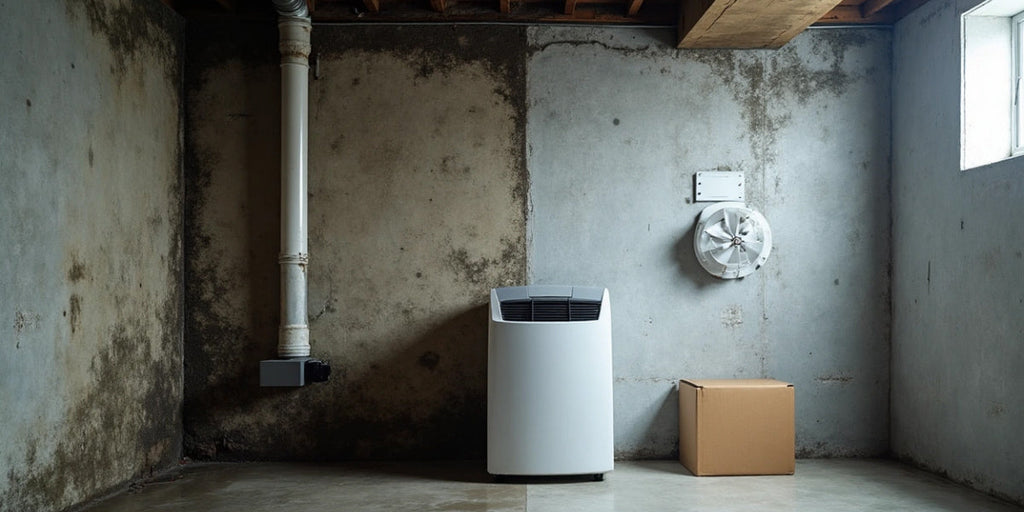
Even after pumping, moisture remains trapped in walls, insulation, and flooring. Set up box fans or industrial blowers to circulate air continuously. Run dehumidifiers 24 hours a day until humidity drops below 50 percent. Keep windows open if outdoor humidity is lower than indoor levels. Drying typically takes 3 to 7 days. Use a hygrometer to monitor progress.
Watch for Mold Growth
Mold can appear within 24 to 48 hours. Inspect corners, under carpets, and behind walls regularly. If you see discoloration or smell mustiness, treat the area with mold-killing cleaner. Consider professional remediation for large affected areas. Never paint over mold, as it will simply return.
When to Call a Professional
Sewage or Contaminated Water
If water came from a sewer backup or floodplain, it’s classified as black water and represents a biohazard. Do not attempt cleanup yourself. Professionals use industrial extractors, HEPA vacuums, and EPA-approved disinfectants while following strict safety protocols to protect your health.
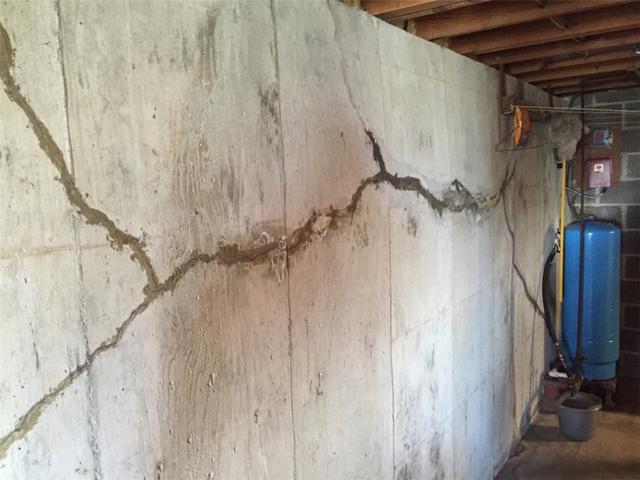
Structural Damage or Recurring Flooding
Visible cracks, bowing walls, or floor heaving indicate structural risk. Frequent flooding despite pumping also signals an underlying problem. Call a waterproofing contractor or structural engineer. Solutions may include interior drainage systems, French drains, or exterior waterproofing membranes. As Tom Silva of This Old House explains, when the water table rises, it forces water up through the floor. Pumping helps, but it’s not a fix unless you address the source.
No Access or Equipment
If your basement is deep, narrow, or lacks power, professionals have specialized tools. Truck-mounted pumps, submersible units with long hoses, and carbon monoxide monitors enable safe extraction even in challenging conditions.
Prevent Future Basement Flooding
Install a Sump Pump with Backup
For long-term protection, install a sump pump system with a primary pump featuring an automatic float switch. Add a battery backup for power outages and consider a water-powered backup as an alternative. Test monthly and replace batteries every 3 to 5 years.
Improve Exterior Drainage
Most basement water originates from outside. Clean gutters and downspouts regularly and extend downspouts at least 6 feet from the house. Slope soil away from the foundation, aiming for 6 inches over 10 feet. Install French drains or dry wells if needed.
Seal Cracks and Monitor for Leaks
Inspect basement walls and floors annually for cracks or seepage. Seal small cracks with hydraulic cement. Check plumbing for leaks or corrosion and replace old washing machine hoses before they fail.
Use Water Alarms and Sensors
Place flood sensors in low spots throughout your basement. Some models connect to smart home systems and send phone alerts when water is detected. Early detection means you can act before water spreads.
Maintain Your System Yearly
Test your sump pump by pouring water into the pit to trigger the float switch. Clean the sump pit of sediment and inspect the discharge line for blockages. Annual maintenance prevents emergency failures when you need the system most.
Frequently Asked Questions About Pumping Water from Basement
How long does it take to pump out a flooded basement?
The time depends on water depth, pump capacity, and drainage distance. A one-half horsepower submersible pump moving 4,000 gallons per hour can clear a moderate flood in several hours. However, following the one-foot-per-day rule for deep flooding means the process takes multiple days to prevent structural damage.
Can I pump water out too fast?
Yes, pumping too quickly when external soil is saturated creates dangerous hydrostatic pressure. This pressure can crack foundation walls, buckle floors, or cause foundation collapse. Follow FEMA’s gradual dewatering protocol to protect your home’s structure.
What type of pump do I need for sewage backup?
Sewage backup requires professional cleanup. Do not attempt to pump black water yourself. Call a hazardous material cleanup company with proper equipment and training.
How do I remove water without a pump?
For small volumes, use a bucket brigade, wet/dry vacuum, or mop and towels. Garden hose-powered pumps work without electricity. For larger amounts, consider renting a submersible pump from a hardware store.
Will my insurance cover basement flooding?
Coverage depends on your policy and the water source. Most standard policies cover sudden plumbing leaks but exclude flood damage unless you have separate flood insurance. Document everything with photos and videos before cleanup to support your claim.
Key Takeaways for Removing Basement Water
Pumping water from your basement requires choosing the right pump for your flood level, following strict safety protocols, and avoiding structural damage through gradual dewatering. Select submersible pumps for deep flooding, utility pumps for moderate water, and wet/dry vacuums for final cleanup. Never skip disinfection and thorough drying, as residual moisture leads to mold growth within 24 to 48 hours. For recurring flooding, invest in a sump pump system with battery backup and improve exterior drainage to address the source. Act fast but smart to protect your home, your health, and your peace of mind.