If your engine is overheating or you’ve noticed a puddle of coolant under your car, the water pump might be nearing the end of its life. This small but critical component keeps your engine cool by circulating coolant through the radiator and engine block. But how long can you expect it to last? The answer is not one-size-fits-all. A water pump typically lasts between 100,000 and 280,000 km, with many lasting well beyond that when properly maintained.
Your driving habits, coolant quality, and vehicle make all influence lifespan. Some original water pumps have operated past 500,000 km, while others fail before 100,000 km due to poor maintenance or inferior parts. In this guide, you’ll learn the real-world longevity of water pumps across different engines, early warning signs of failure, and how to extend its life with smart maintenance.
Typical Water Pump Lifespan

Most water pumps do not come with a fixed replacement interval, but data from high-mileage vehicles and repair logs reveal clear patterns. Japanese vehicles consistently outperform many American models in pump longevity, largely due to better materials and coolant system design. While some pumps last the life of the vehicle, most begin showing wear between 100,000 and 200,000 km.
Toyota Engines Last Longer
Toyota diesel engines are known for durability, and their water pumps reflect that reputation. The 1KZ-TE engine has documented cases of original pumps lasting over 450,000 km. The 1KD-FTV engine typically fails between 200,000 and 280,000 km, but proactive replacement is recommended at 150,000 km. The newer 1GD-FTV engine shows no widespread failures yet, with expected lifespan matching 1KD engines.
These engines use robust seals and bearings, but when they do fail, it is often sudden due to bearing collapse. This creates a risk on long trips where sudden failure can leave you stranded far from help.
Other Vehicle Longevity Trends
Real-world data from various vehicle types shows wide variation in pump lifespan. Saturn vehicles have reported original pumps lasting up to 238,000 miles. Chevrolet Cavalier models commonly require replacement between 100,000 and 130,000 miles, often during other major repairs. Ford 302 V8 engines have experienced multiple failures due to frozen bolts and damaged timing covers. Volkswagen Golf models are often replaced preventively during timing belt service.
Japanese vehicles consistently outperform many American models in pump longevity, largely due to better materials and coolant system design. Lower-cost vehicles or those using aftermarket water pumps often see earlier failures due to substandard seals, plastic impellers, and weak bearings.
Early Signs of Water Pump Failure
Catching water pump problems early can save your engine from catastrophic damage. Here is what to watch for during routine maintenance.
Coolant Leaks From Weep Hole
The most common early warning is a drip from the weep hole, a small opening beneath the pump designed to leak when the internal seal fails. Symptoms include dampness or crusty residue under the engine. The fluid color is typically green, orange, or pink depending on coolant type. Even slow leaks reduce coolant levels, increasing overheating risk.
Pro tip: Inspect the weep hole during oil changes. A dry pump is a healthy pump.
Grinding or Whining Noise
A growling or whining sound from the front of the engine signals bearing wear. The cause is internal ball bearings degrading over time, especially if exposed to moisture or poor lubrication. The noise increases with engine speed. If you hear it, replace the pump soon because bearing failure can stop coolant flow instantly.
Off-road drivers report more noise after river crossings where water intrusion damages seals.
Engine Overheating
If the temperature gauge climbs into the red, the water pump may have failed. Sudden overheating indicates the impeller detached or the shaft seized, stopping coolant flow entirely. Gradual temperature rise suggests reduced circulation due to a clogged impeller or weak pump. Aluminum engines can warp or crack within minutes of overheating.
Never ignore overheating. Pull over immediately and let the engine cool.
Poor Coolant Circulation
Even without overheating, a failing pump may circulate too little coolant. Signs include the engine running hotter than normal in traffic or under load. To test, feel the upper radiator hose after warm-up. If it stays cool while the engine heats up, flow is blocked or reduced.
Think of it like a weak heart, still beating but not pumping efficiently.
Visible Corrosion or Buildup
Rust, gel, or white crust on the pump housing indicates internal leakage and coolant breakdown. The cause is wrong coolant type, old fluid, or contamination. Corrosion damages seals and bearings, accelerating failure. Replace coolant every 2 to 5 years using the manufacturer’s recommended type.
Why Water Pumps Fail
Understanding failure modes helps you prevent them. Most pumps fail gradually, giving you time to catch problems early.
Internal Seal Wear
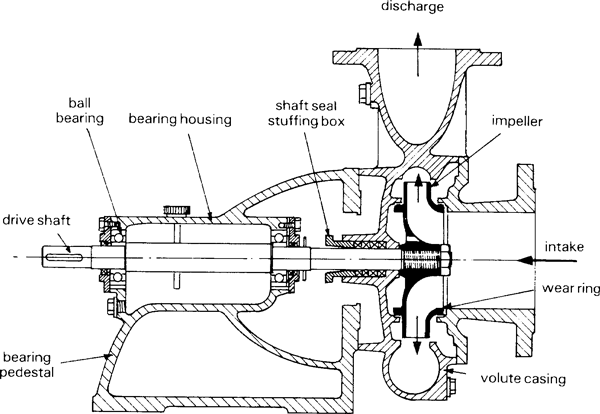
The number one cause of leaks is internal seal wear. Seals separate coolant from bearings. When they wear, coolant seeps into the bearing area, washing away lubrication. Bearings then fail quickly. This starts as weeping, not gushing, so early detection is key.
Bearing Degradation
Bearings support the spinning shaft and fail due to moisture intrusion from seal leaks, poor-quality grease, or excessive heat and vibration. Once bearings fail, the shaft wobbles or seizes, stopping coolant flow entirely.
Impeller Damage
The impeller pushes coolant through the system. In aluminum pumps, poor coolant chemistry causes erosion. Debris from rusted radiators can break blades. A damaged impeller reduces flow, leading to overheating.
Shaft Seal Failure
Like internal seals, shaft seals wear over time. When they fail, coolant escapes through the weep hole and bearings get wet and corrode. This is a slow process, but once it starts, failure becomes inevitable.
Factors That Shorten Lifespan
Even a high-quality pump will not last if conditions are harsh. Understanding these factors helps you protect your investment.
Poor Coolant Quality
Using the wrong type or old coolant is the fastest way to kill a water pump. Mixing coolants creates sludge that clogs passages. Low pH or acidic coolant eats away at metal and rubber. No corrosion inhibitors means rapid internal damage.
Always use the coolant specified in your owner’s manual.
Frequent Short Trips
Engines do not reach full operating temperature on short drives. This causes moisture buildup in coolant from condensation, sludge formation, and premature seal and bearing wear. Longer drives help evaporate moisture and keep the system clean.
Extreme Driving Conditions
Towing, off-roading, or stop-and-go traffic increase thermal stress. Heat cycles expand and contract metal, weakening seals. Vibration accelerates bearing wear. Dirt and water exposure damage external components. Off-road vehicles should inspect pumps more frequently.
Timing Belt Issues
In engines where the water pump is driven by the timing belt, a failing tensioner or misaligned belt causes vibration. This damages the pump shaft and bearings. Replacing the belt without the pump risks future failure and double labor costs.
When to Replace Your Water Pump
Do not wait for failure. Planning ahead saves money and prevents being stranded.
Replace With Timing Belt
Most mechanics recommend replacing the water pump whenever the timing belt is changed. Typical interval is 90,000 to 160,000 km depending on model. Both require major disassembly, so doing them together saves labor. Adding a $200 pump to a $1,000 timing job is cost-effective.
Even if the pump looks fine, hidden bearing wear could cause failure soon.
Proactive Replacement at 150,000 km
For Toyota 1KD and 1GD diesel engines, replace the pump at 150,000 km even if no symptoms appear. The reason is that sudden bearing failure can strand you far from help. This is cheaper than towing and engine repairs, especially before long trips or remote travel.
After Coolant System Repairs
If you have had head gasket replacement, radiator repair, or thermostat change, replace the pump too. Old coolant, debris, or improper refilling can stress it. This ensures the new repairs are not compromised by a failing pump.
How to Extend Water Pump Life
Simple habits can double your pump’s lifespan. These practices cost little but pay off significantly.
Use OEM Parts Only
Aftermarket pumps often use inferior seals and bearings. One Ford owner had four failures with cheap pumps and zero failures with OEM. OEM parts offer precision fit, better materials, and longer warranty. Yes, OEM costs more, but it is cheaper than repeated repairs.
Flush and Refill Coolant Regularly
Old coolant loses its protective properties. Interval is every 2 to 5 years or per manufacturer schedule. The process involves draining, flushing, and refilling with correct coolant type. This prevents sludge, corrosion, and seal damage.
Never mix coolant types such as OAT, HOAT, or IAT because it causes gel formation.
Inspect During Routine Maintenance
Check the pump every oil change. Look for drips, crust, rust, or wobble in the pulley. Listen for grinding or whining noises. Feel for excessive play in the shaft by wiggling the pulley. Early signs mean early action.
Avoid Engine Overheating
One overheating event can warp the impeller or crack the housing. Fix cooling issues fast, including bad thermostat, clogged radiator, or faulty fan. Do not drive hot because even 5 minutes can damage aluminum engines.
Cost of Replacement and Prevention
Prevention saves money and your engine. Understanding costs helps you budget wisely.
OEM Replacement Kit Cost
For Toyota 1KD and 1GD engines, a complete kit includes water pump, timing belt, idler pulley, tensioner, cam seal, drive belt, and bearings. The price is approximately $770 AUD delivered. Doing it all at once avoids repeat disassembly and saves significant labor costs.
Individual Part Costs
A timing belt alone costs approximately $100. An aftermarket water pump runs $80 to $150. An OEM water pump costs $180 to $250. Cheap pumps may save $100 now but fail in 30,000 km, doubling your long-term cost.
Real-World User Experiences
Real owners share their experiences, showing the range of outcomes possible.
Success Stories
A shop truck reached 355,000 miles on its original pump. A 1993 Saturn SL2 achieved 238,000 miles with no pump issues. A Toyota truck reached nearly 500,000 km on the factory pump. A 37-year-old Triumph never required water pump replacement. These cases share one thing: consistent coolant maintenance and OEM parts.
Early Failures and Lessons
A Chevrolet Cavalier needed pump replacement at 130,000 miles, done because the engine was apart for head gasket work. A Ford 302 V8 required multiple replacements due to frozen bolts stripping aluminum timing covers. A Volkswagen Golf had the pump changed preventively with timing belt service despite no leaks.
One user noted: “I don’t like being in sudden bad situations. With an aluminum motor, it doesn’t take much to kill it.”
Key Takeaways for Water Pump Longevity
The water pump is not a fit-and-forget part. It is a wear item that demands attention.
Most pumps last between 100,000 and 280,000 km, but can go much longer with proper care. All pumps eventually leak, so proactive replacement beats roadside failure. Bearing noise and weep hole seepage are early red flags. Replace the pump with the timing belt to save labor and prevent future breakdowns. Use OEM parts and correct coolant, never cutting corners.
Your action plan starts with inspecting annually for leaks, noise, and corrosion. Replace at 150,000 km in diesel Toyotas or during timing belt service. Flush coolant every 2 to 5 years. Use genuine parts, especially in critical engines. Your water pump keeps your engine alive. Treat it like the vital component it is, and it will return the favor with years of reliable service.
Frequently Asked Questions About Water Pump Lifespan
How many miles does a water pump typically last?
Most water pumps last between 60,000 and 174,000 miles, with many reaching 200,000 miles or more with proper maintenance. Japanese vehicles like Toyota often see 200,000 to 280,000 km before failure.
What are the first signs of water pump failure?
Early warning signs include coolant drips from the weep hole, grinding or whining noises from the front of the engine, and the engine running hotter than normal. Visible rust or gel on the pump housing also indicates problems.
Can a water pump fail suddenly?
While most pumps fail gradually with weeping or seepage, bearing collapse can cause sudden catastrophic failure. This is more common in Toyota 1KZ engines and can lead to rapid overheating if not caught early.
Should I replace my water pump with the timing belt?
Yes, this is the recommended practice. Both components require major disassembly, so replacing them together saves significant labor costs. Plan for replacement at 90,000 to 160,000 km or per your manufacturer’s schedule.
Does coolant type affect water pump lifespan?
Absolutely. Using wrong or old coolant is the fastest way to damage a water pump. Always use the manufacturer-specified coolant type, never mix different coolant formulations, and flush the system every 2 to 5 years.