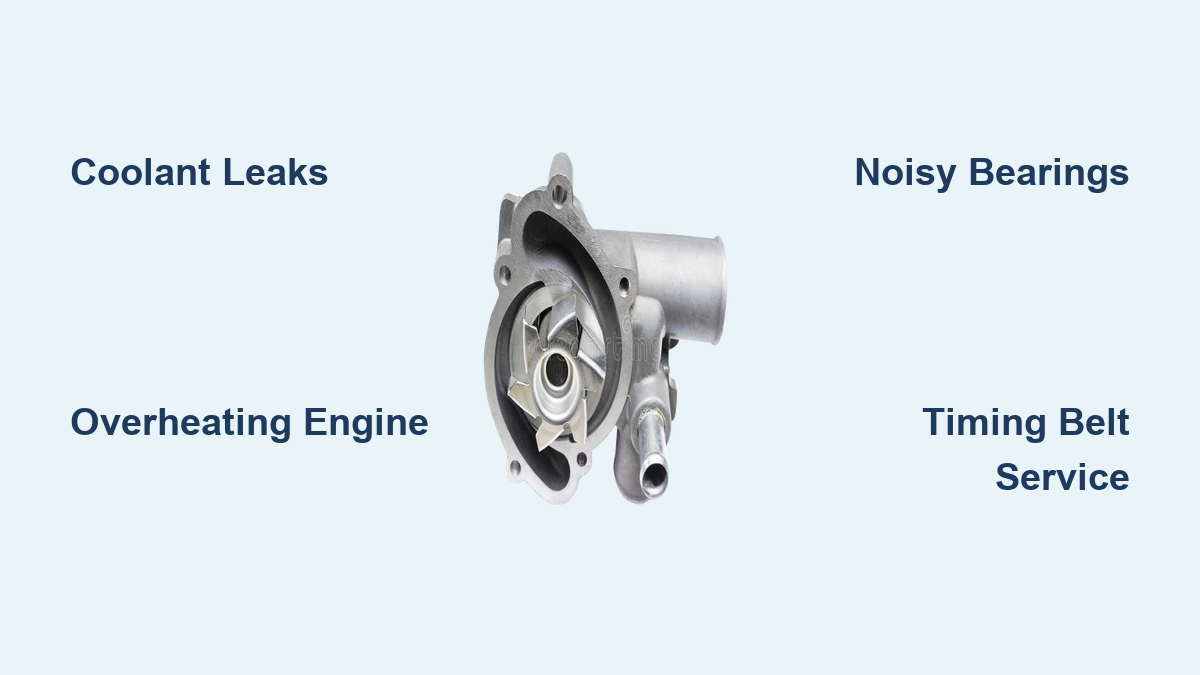
If your engine is overheating or you hear strange noises from the front of your car, the water pump could be failing. This vital component circulates coolant through your engine to prevent heat damage, and how long a car water pump lasts depends on several factors including vehicle make, maintenance habits, part quality, and driving conditions. Most water pumps last between 60,000 and 90,000 miles, but many exceed 200,000 miles, especially in well-maintained Japanese models like Toyota.
In this guide, you will learn the real lifespan of water pumps across different vehicles, early warning signs of failure, and expert-backed strategies to maximize longevity. You will also discover when proactive replacement makes more sense than waiting for a breakdown.
Typical Water Pump Lifespan
Baseline Expectations for Most Vehicles
For most vehicles, the expected life of a water pump falls between 60,000 and 90,000 miles. This range reflects average driving conditions and standard maintenance practices. Many automakers design pumps to last this long, but they are not built to last the lifetime of the vehicle. After 100,000 miles, the risk of failure increases significantly, especially if maintenance has been inconsistent.
While some pumps fail earlier due to poor quality or harsh conditions, others far outlive this benchmark. Reliable models like Toyota trucks and sedans regularly reach 250,000 to 300,000 miles on the original pump.
Exceptional Cases: Pumps That Last 200,000+ Miles
Many water pumps exceed expectations with proper care. Toyota trucks and sedans regularly reach 250,000 to 300,000 miles on the original pump. One user reported a Toyota with over 500,000 km still running on its factory pump. Similarly, diesel engines like the 1KZ and 1KD have shown lifespans beyond 450,000 km under optimal care.
These cases are not flukes. They reflect superior engineering, durable seals, and consistent coolant maintenance. However, even long-lasting pumps will eventually wear out. Proactive replacement is often smarter than waiting for failure.
How Lifespan Varies by Vehicle Make
Not all vehicles are created equal when it comes to pump longevity. Japanese imports generally rank highest in durability.
Vehicle lifespan trends include:
– Toyota, Honda, and Subaru: Known for pump reliability, often lasting 20+ years or 250,000+ km
– Chevrolet and Ford: More frequent replacements reported, especially in older V8s and 4-cylinders
– Hyundai and some budget brands: Some owners report multiple failures within months or low mileage
Your vehicle is make and model can tell you a lot about what to expect from your water pump.
Key Factors That Affect Pump Longevity

Pump Quality and Brand Matters
The type of pump you install makes a huge difference in how long it lasts. OEM pumps match factory specs and are most reliable. High-quality aftermarket pumps may improve on OEM design with durable materials. Low-cost aftermarket pumps are prone to early failure, with some lasting under 8,000 miles. Rebuilt units have variable quality that depends on internal components.
A cheap pump might save you $50 upfront but fail within months, costing more in labor and potential engine damage. Always choose reputable brands, especially for hard-to-access pumps.
Coolant Maintenance Is Critical
Coolant is not just fluid. It is a protective agent for your cooling system. Using the wrong type, skipping changes, or mixing incompatible formulas accelerates pump wear significantly.
Recommended coolant intervals include:
– Conventional coolant: Every 30,000 to 50,000 miles or 2 to 3 years
– Long-life OAT or HOAT coolant: Every 60,000 to 150,000 miles or 5 years maximum
Degraded coolant becomes acidic and corrodes seals and bearings. Always flush and refill per manufacturer specifications. Never mix green and orange coolants, as this creates sludge that clogs the pump.
Driving Conditions Accelerate Wear
Your driving habits directly impact how long your water pump lasts. Short trips prevent the engine from reaching optimal temperature, causing condensation and coolant contamination. Stop-and-go traffic creates frequent thermal cycling that stresses seals. Off-roading can damage bearings from debris and water exposure. Hot climates increase thermal load on the entire cooling system.
If you drive in extreme conditions, inspect your pump and coolant more frequently, even if your mileage is low.
Signs Your Water Pump Is Failing
Coolant Leaks Under the Engine
A puddle of green, orange, or yellow fluid under the front of your engine is a major red flag. Most leaks come from the weep hole, which is a small hole at the bottom of the pump designed to leak when the seal fails. Other sources include gasket failure between pump and engine block and housing corrosion, especially in older aluminum pumps.
A slow seep may leave a crusty residue around the pump. A sudden gush means immediate failure, so shut off the engine right away to avoid damaging your engine.
Grinding or Whining Noises
A failing bearing often produces a grinding, whining, or growling noise from the front of the engine. Since the pump is belt-driven, worn bearings create friction and vibration. With the engine off, gently wiggle the pump pulley. Any shaft play or wobble means the bearing is shot and you should replace it now.
Engine Overheating
If your temperature gauge spikes quickly, especially during light driving, the water pump may not be circulating coolant properly. A seized shaft or damaged impeller stops flow entirely. Driving an overheating engine risks warped cylinder heads, blown head gaskets, or cracked engine blocks. Shut down immediately and tow if needed.
Fluctuating Temperature or Poor Cabin Heat
Even without overheating, a weak pump can cause temperature gauge swings under load and inconsistent cabin heat. This indicates reduced coolant flow. The pump is the heart of your cooling system, so if it is struggling, the whole engine suffers.
When to Replace Your Water Pump
Replace During Timing Belt Service
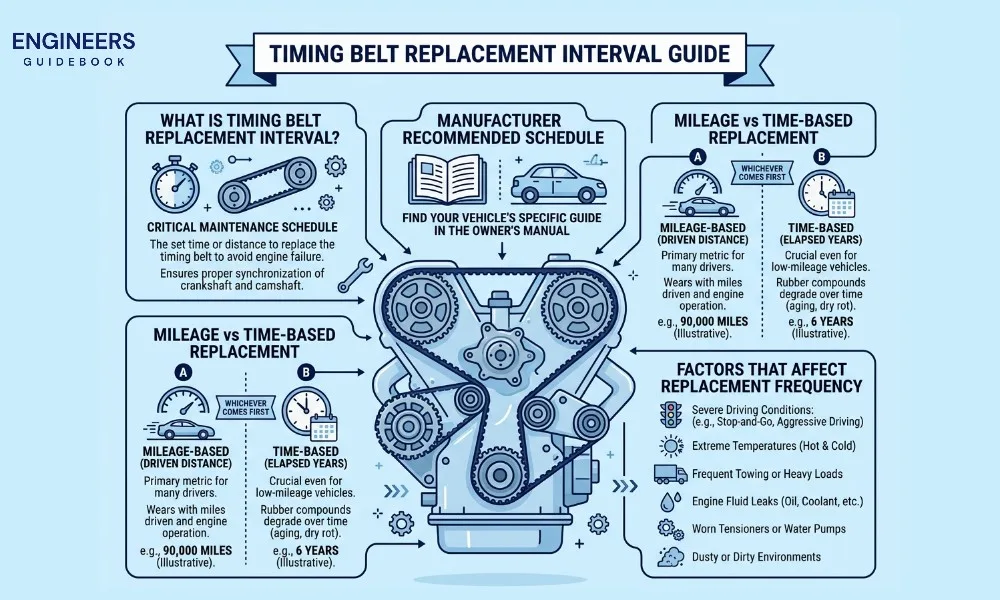
This is the golden rule for smart maintenance. Replace the water pump when you replace the timing belt. Both require removing the timing cover, and labor accounts for 70 to 80 percent of the cost. On interference engines, a failed pump or belt can destroy the engine entirely.
Recommended intervals include:
– Toyota 1KD and 1GD diesels: Replace at 150,000 km or 93,000 miles
– Most vehicles: Replace pump every 100,000 to 150,000 miles
Use a Comprehensive Service Kit
In many markets, comprehensive timing service kits are available that include the timing belt, water pump, tensioner and idler pulleys, drive belts, camshaft seal, and bearings. This approach saves significantly on labor and ensures all wear items are replaced at once. Total cost is often far cheaper than buying parts separately.
Do Not Ignore the Bottom Tensioner
On some engines, the bottom timing belt tensioner is a weak point. If it fails, the belt slips or breaks, causing instant engine stoppage. Replace the tensioner bearing proactively, even if the pump looks fine. It is a small part with huge consequences.
Professional vs DIY Replacement
Can You Replace It Yourself
For experienced DIYers, water pump replacement is doable with basic hand tools, a torque wrench, and a service manual or YouTube guide. Parts cost as low as $70 to $100 for a quality pump. Shop labor runs $300 to $800 or more, depending on engine complexity.
Common mistakes that cause early failure include over-tightening bolts that crack the housing, using wrong torque specs that cause leaks or warping, and failing to bleed air from the cooling system after installation. Always bleed the air from the system post-install by running the engine with the radiator cap off until coolant flows smoothly.
When to Call a Mechanic
If the pump is behind the timing cover or requires removing the timing belt, professional installation is recommended. Mistakes here can lead to belt misalignment or catastrophic engine damage. Also verify the mechanic actually replaced the pump. Some shops skip it despite charging for it. Ask to see the old part or check service records.
Why Water Pumps Fail Early
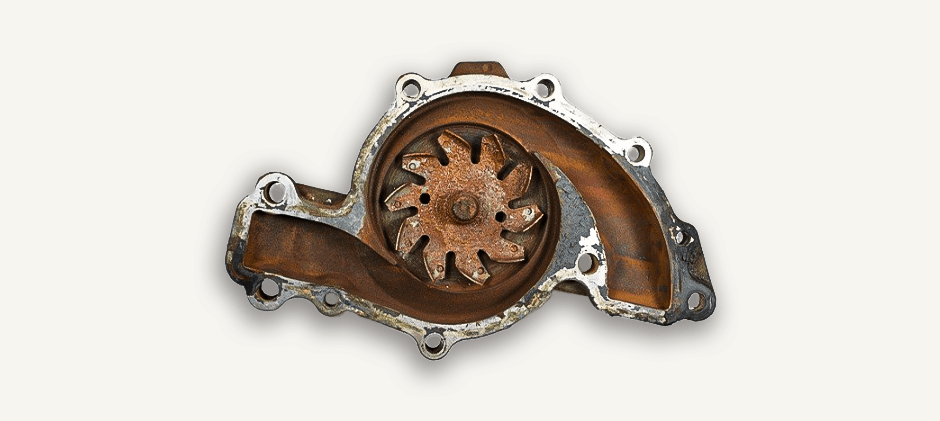
Common Causes of Premature Failure
Replacing a pump only to have it fail within 8,000 to 10,000 miles is frustrating but common. Low-quality or counterfeit parts are a major culprit. Improper installation by inexperienced mechanics causes issues. Coolant contamination from mixed types creates sludge. Belt misalignment stresses the pump shaft.
One user replaced four pumps in six months on a 2002 Hyundai Elantra, each failing due to noisy bearings. This points to systemic issues with aftermarket parts for certain models.
Warranty Is Not Always Reliable
Some pumps come with lifetime warranties, but user reports show these often fail faster than expected. Warranty claims can be denied for improper installation even if torque was correct, use of non-OEM coolant, or lack of service records. Buy from trusted brands like Gates, Aisin, Bosch, or OEM rather than unknown sellers.
Real-World Lifespan by Vehicle Type
Documented Cases From Owners
Real-world data shows wide variation in how long car water pumps last:
- Toyota Pickup: 500,000+ km on original pump
- 1993 Saturn SL2: 238,000 miles, still functional
- Chevrolet Cavalier: 130,000 miles, replaced preemptively
- 1978 Ford Pinto: Original pump still working after 45+ years
- Hyundai Elantra (2002): Up to 6 pumps replaced in months
- 1KD Diesel: 450,000+ km with regular coolant changes
These real cases demonstrate that maintenance and part quality matter more than mileage alone.
Key Takeaways for Maximizing Pump Life
Lifespan Expectations at a Glance
General vehicles typically last 60,000 to 90,000 miles with a maximum documented around 300,000+ miles. Toyota and Japanese models often reach 200,000 to 300,000 km with some exceeding 500,000 km. American vehicles like Chevy and Ford commonly need replacement around 100,000 to 200,000 miles. Low-quality pumps may fail in under 10,000 miles with frequent noise and bearing issues.
Top Prevention Strategies
To maximize how long your car water pump lasts, follow these essential practices:
- Replace at 100,000 to 150,000 miles, especially during timing belt work
- Use OEM or high-quality aftermarket pumps and avoid bargain units
- Change coolant on schedule and never mix different types
- Inspect regularly for leaks and noise, checking the weep hole and pulley play
- Bleed air after replacement to prevent overheating and cavitation
Frequently Asked Questions About Car Water Pump Lifespan
How many miles should a water pump last?
Most water pumps last between 60,000 and 90,000 miles under normal driving conditions. However, many pumps, especially those in well-maintained Japanese vehicles, can last 200,000 miles or more with proper care.
Can a water pump last 200,000 miles?
Yes, a water pump can last 200,000 miles or more. Toyota vehicles regularly exceed 250,000 to 300,000 miles on original pumps. Diesel engines like the 1KZ and 1KD have shown lifespans beyond 450,000 km with optimal maintenance.
What are the first signs of a failing water pump?
Common warning signs include coolant leaks under the engine, grinding or whining noises from the front, engine overheating, and fluctuating temperatures with poor cabin heat. Check the weep hole for seepage and wiggle the pulley for shaft play.
Should I replace water pump with timing belt?
Yes, you should replace the water pump when replacing the timing belt. This saves significantly on labor costs since both require removing the timing cover. It also prevents future breakdowns from pump failure on an otherwise fresh timing belt.
What happens if a water pump fails while driving?
If a water pump fails while driving, your engine will overheat rapidly. Continuing to drive risks severe damage including warped cylinder heads, blown head gaskets, or a cracked engine block. Stop immediately and tow the vehicle if needed.
Final Thoughts on Car Water Pump Longevity
Understanding how long a car water pump lasts helps you make smart maintenance decisions. Most pumps last 60,000 to 90,000 miles, but quality matters more than mileage. OEM parts and Japanese vehicles tend to last longest, while cheap aftermarket pumps may fail within months.
Do not wait for failure. The water pump is a wear-and-tear item, like brakes or belts. Replacing it before it fails saves money, prevents breakdowns, and protects your engine from catastrophic damage. If you are near 150,000 km and do not know the pump history, replace it, especially if you drive in remote areas or rely on your vehicle daily.
The pump itself costs little. The labor and potential engine damage cost a lot. Smart maintenance today prevents disaster tomorrow.