A failing water pump bearing can lead to overheating, belt failure, and even engine damage if not caught early. The bearing supports the pump shaft and allows it to spin smoothly under high load and temperature. When it wears out, performance drops fast, often with warning signs you can detect before total failure. Knowing how to check water pump bearing condition is essential for preventive maintenance, especially before or during timing belt service. This guide walks you through proven diagnostic methods, from simple visual checks to hands-on tests, so you can accurately assess bearing health and avoid costly breakdowns.
Check Coolant Leaks at the Vent Hole

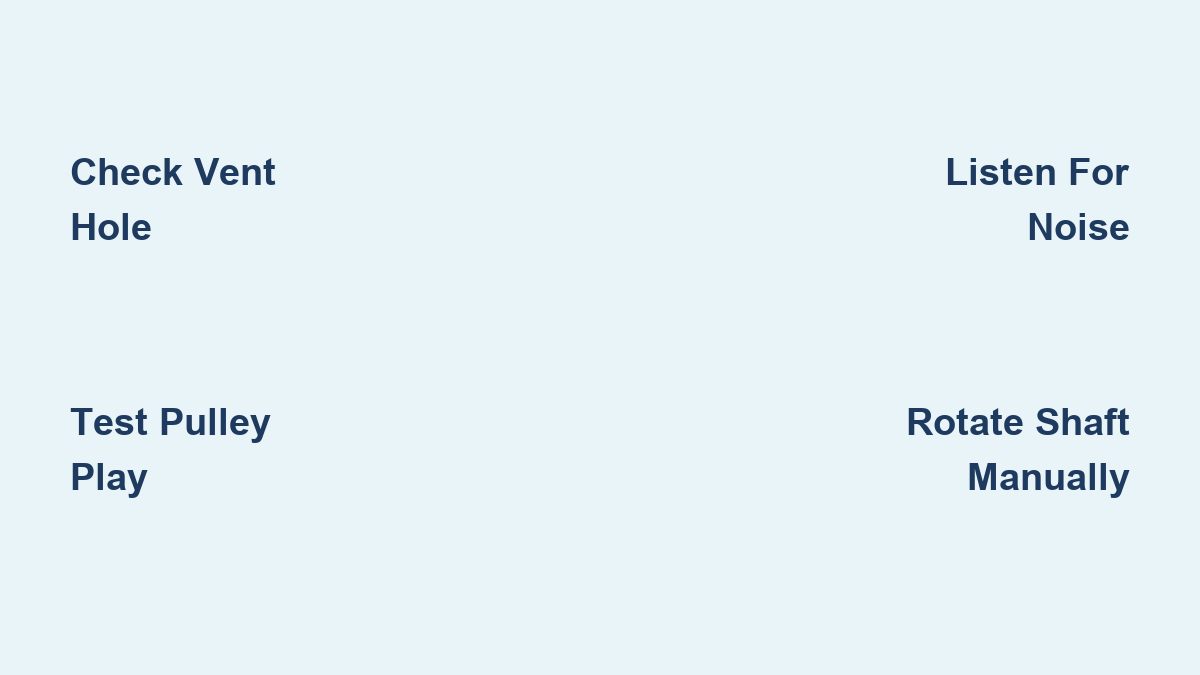
The vent hole is your first visual clue. It’s located near the bearing housing and designed to release fluid if the internal seal fails. Inspect this area carefully for any signs of coolant intrusion.
Look for Residue Around the Housing
A wet or stained vent hole means the seal has failed and coolant is entering the bearing cavity. This washes away lubricating grease and leads to metal-on-metal contact.
Check for these conditions:
• Normal: Clean, dry, no staining around the vent hole
• Warning sign: Drips, crusty deposits, or dried coolant trails
• Severe failure: Coolant has reached the bearing and contaminated the grease
Compare New vs. Used Pump Condition
Understanding what a healthy pump looks like helps you recognize failure.
New pumps have open, debris-free vent holes. Failing pumps show clogged holes with rust, sludge, or dried coolant. This clogging indicates long-term leakage and exposure to contaminants. Even if the pump isn’t noisy yet, internal damage is likely. Replace it immediately.
Monitor Coolant Level for Hidden Leaks
A steady drop in coolant without visible external leaks could mean fluid is seeping into the bearing chamber. This type of internal leak doesn’t always leave traces on the ground but damages the bearing over time.
Detect Internal Coolant Seepage
Coolant mixing with bearing grease creates a milky residue and accelerates corrosion. If you suspect internal leakage, remove the pump and inspect the bearing cavity during replacement.
Track reservoir levels weekly. Refill only as a temporary measure. Investigate persistent low coolant even without noise or play.
Test for Pulley or Fan Play
With the engine off and cool, perform a manual play test to check for bearing movement.
Perform the Wiggle Test (Engine Off)
Remove the drive belt first, then grip the pulley or fan hub firmly and move it side-to-side and up-and-down.
Acceptable: Minimal or no movement
Faulty: Noticeable wiggle or rocking motion
Any detectable lateral play means the bearing races are worn or damaged. The inner and outer rings have lost alignment, and replacement is required.
Pro tip: Use gloves and eye protection. Excessive force can mask subtle wear. Gentle pressure reveals more.
Inspect Fan-Driven Pumps for Knocking
On vehicles with mechanical fan clutches bolted to the pump shaft, gently wiggle the fan blades and listen for knocking or clunking sounds. A loose connection between fan and shaft often points to advanced bearing wear. Combine this test with visual inspection for misaligned mounting bolts or cracked hubs.
Listen for Bearing Noise at Idle
Start the engine and listen near the front of the motor, focusing on the water pump location.
Identify Grinding, Whining, or Knocking
Different sounds indicate different failure stages:
• Grinding noise: Metal-on-metal contact from dry or shattered rollers
• High-pitched whine: Worn balls or races spinning at speed
• Clicking or knocking: Loose fragments inside the bearing
Noise typically increases with RPM. If it changes when revving, the source is likely rotational, and the water pump is a prime suspect.
Use a Stethoscope to Pinpoint Sound
To confirm the noise is coming from the pump, place a mechanic’s stethoscope or long screwdriver on the pump body. Put your ear to the handle and listen for internal roughness.
Critical: Stop the engine immediately if you hear loud grinding. Continuing to run risks shaft seizure, belt failure, or engine overheating.
Rotate the Pump Shaft by Hand
With the drive belt removed, turn the pulley or shaft slowly with your fingers to evaluate two key factors.
Feel for Smoothness and Resistance
A healthy bearing spins silently and evenly. A failing one feels rough or “notchy” and may produce audible clicks with each rotation.
Evaluate these conditions:
• Smoothness: Should rotate freely without resistance
• Noise: No clicking, grinding, or grittiness
• Resistance: Any binding indicates internal damage
Expert note: Perform this test before and after pump removal. Post-removal, you get a clearer sense of internal condition without belt tension interfering.
Watch for Wobble While Running
With the engine running, visually inspect the water pump pulley or fan hub for movement.
Observe Hub Movement at Idle
Normal: Hub remains stable and aligned
Faulty: Visible rocking or shifting during operation
This movement confirms loss of bearing preload and advanced wear. It also stresses the drive belt, leading to premature failure or misalignment.
Safety tip: Use a mirror or smartphone camera to observe hard-to-reach areas. Never place tools near moving belts.
Differentiate Drive System Types
The inspection approach depends on whether your pump is accessory-driven or timing-belt-driven.
Inspect Accessory-Driven Pumps
Pumps driven by a serpentine or V-belt are mounted externally and easy to inspect. They are fully visible with simple belt removal for play and rotation tests. Common failure signs include noise, wobble, and leaks. These systems allow quick diagnosis without disassembly, and most modern front-engine vehicles use this setup.
Inspect Timing-Belt-Driven Pumps
Found behind the timing cover, these pumps require more effort. You must remove the timing cover to inspect visually. Play and noise tests are possible only after belt removal. These pumps are often replaced preventively during timing belt service.
Best practice: Replace the water pump every 60,000 to 100,000 miles, or whenever the timing belt is changed. Labor costs are similar, and failure risks engine damage.
Prevent Early Bearing Failure
Prevention starts with proper installation and maintenance practices.
Avoid Over-Tightening Drive Belts
Excessive belt tension increases radial load on the bearing. This causes premature wear of rollers and races. It leads to red discoloration and flattened contact points. It may erase belt markings due to over-pressing. Always follow OEM torque specs and use a tension gauge during installation.
Torque Tensioner Roller Correctly
An improperly tightened tensioner roller causes belt whip and uneven load transfer. This results in vibration that wears out the bearing. Look for uneven belt wear as a clue. Use a torque wrench to secure all mounting bolts to manufacturer specifications.
Inspect Related Engine Components
The water pump doesn’t operate in isolation. Check surrounding parts that affect its longevity.
Check Pulley Alignment and Condition
Misaligned pulleys create lateral stress on the pump shaft. This causes uneven bearing wear and leads to premature seal failure. Visually inspect all pulleys in the drive system. They should sit in perfect alignment. Use a straightedge if needed.
Replace Worn Adjacent Parts
Defective components can indirectly destroy a new water pump. Worn alternator or AC compressor bearings, damaged idler or tensioner pulleys, and cracked or glazed drive belts all contribute to premature failure. Replace any suspect parts before installing a new pump. One failing component can doom an otherwise perfect bearing.
Choose High-Quality Replacement Pumps
Not all water pumps are built equally. Low-cost units may use inferior bearings that fail early.
Select OE-Spec Bearings and Seals
Look for brands like Industrias Dolz, which use stainless steel bearings for corrosion resistance. These pumps meet OEM performance and durability standards. They undergo automated leak testing with a failure rate under 0.05%. These pumps ensure long-term reliability and protect your investment in labor and time.
Key Diagnostic Signs of Bearing Failure
Use this summary table to track your diagnostic findings:
| Test | Healthy Bearing | Failing Bearing |
|---|---|---|
| Vent hole inspection | Clean, dry | Wet, stained, clogged |
| Coolant level | Stable | Drops without visible leak |
| Play test | No movement | Lateral wiggle or rocking |
| Noise check (engine on) | Quiet | Grinding, whining, knocking |
| Manual rotation | Smooth, silent | Rough, gritty, clicking |
| Running wobble | None | Visible hub shift |
| Belt condition | Even wear | Glazing, fraying, misalignment |
Frequently Asked Questions About Checking Water Pump Bearings
How do I know if my water pump bearing is failing?
Common signs include coolant leaking from the vent hole, unusual noises like grinding or whining, visible play when wiggling the pulley, and unexplained coolant loss. Any of these symptoms warrants further inspection.
Can I check the water pump bearing without removing it?
Yes. You can perform visual inspections, check for coolant residue, test for pulley play, and listen for noises while the engine runs. The manual rotation test requires belt removal but doesn’t demand full pump extraction.
What does a grinding noise from the water pump indicate?
Grinding typically means metal-on-metal contact within the bearing. This occurs when lubrication has failed, often due to coolant contamination or complete grease depletion. Stop driving immediately to prevent shaft seizure.
How often should I replace the water pump bearing?
Replace the water pump preventively every 60,000 to 100,000 miles, or whenever the timing belt is changed. Waiting for failure risks engine damage and more expensive repairs.
Can a bad timing belt cause water pump bearing failure?
Yes. An over-tensioned timing belt places excessive radial load on the bearing, causing premature wear. Always check belt tension and condition when diagnosing bearing issues.
What happens if I ignore a failing water pump bearing?
Ignoring bearing failure leads to shaft seizure, belt breakage, engine overheating, and potentially severe engine damage. Early detection saves significant repair costs.
Final Recommendations for Checking Water Pump Bearings
Diagnose early by combining visual, auditory, and physical tests for the best accuracy. Replace at the first sign of failure, as play or noise means replacement is urgent. Prevent problems during timing belt service by swapping the pump even if it seems fine. Use quality parts like OE-spec pumps that last longer and protect engine integrity. Recheck after installation to confirm no leaks, proper belt tension, and quiet operation.
Ignoring a bad water pump bearing risks engine overheating, belt failure, and roadside breakdowns. By knowing how to check water pump bearing health with these proven steps, you can catch issues early, extend component life, and keep your engine running smoothly for miles to come.