If your water pump runs but fails to deliver water, it has likely lost its prime. Priming a water pump means filling the pump casing and suction line with water to remove air pockets, allowing the pump to create the vacuum needed to draw water from the source. Without this water seal, the pump cannot generate suction, leading to dry running, overheating, and permanent damage.
This issue commonly affects centrifugal pumps, including shallow well jet pumps, transfer pumps, and surface-mounted irrigation systems. While some models are self-priming, most require manual intervention after maintenance, seasonal storage, or system leaks. In this guide, you will learn the complete priming process, alternative methods, troubleshooting tips, and maintenance best practices.
Essential Components for Priming
Before starting, understand the key parts involved in maintaining pump prime.
Check Valve and Foot Valve
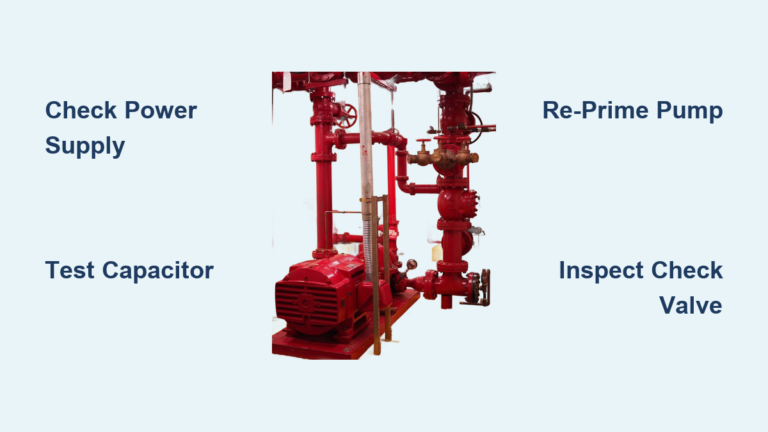
The check valve near the pump and the foot valve at the bottom of the suction pipe prevent water from draining back into the source when the pump shuts off. A failed valve causes frequent loss of prime. Test by checking if water remains in the line overnight. No water means replacement is needed.
Priming Port (Top Plug)
This threaded plug on top of the pump provides access to pour water directly into the casing. It is typically 1/2 inch to 3/4 inch NPT. Always use Teflon tape on the threads when reinstalling to prevent leaks under pressure.
Drain Plug
Located at the lowest point on the pump body, this plug allows draining for winterization. It must be tight before priming, or air will enter and break the vacuum.
Suction and Discharge Lines
The suction line runs from the water source to the pump and must be airtight. Cracks, loose clamps, or porous hoses introduce air. The discharge line carries pressurized water to outlets and may include a ball valve to help purge air during startup.
Step-by-Step: Prime a Water Pump

Follow this universal procedure for surface-mounted centrifugal pumps used in wells, irrigation, and transfer systems.
Prepare the System Safely
Turn off power at the breaker. Never work on an energized pump. Electrical shock risks increase near water. Confirm the system is de-energized before touching any components.
Inspect all parts:
• Ensure the drain plug is fully tightened
• Verify the priming plug seals well and is not cracked
• Check for visible damage to hoses, clamps, and valves
• Flush the suction line with clean water to remove debris that could clog the impeller or foot valve
Fill the Pump Casing with Water
Remove the priming plug using a wrench or screwdriver. Set it aside safely.
Pour 1 to 2 liters of clean water into the opening until it begins to overflow. Use a funnel to avoid spills. Water must cover the impeller and extend into the discharge side.
For faster results, prime the suction line first. Connect a garden hose to a priming tee or surface valve. Backflush water through the system until it flows out at the intake end.
Seal and Start the Pump
Replace and tighten the priming plug securely. Hand-tighten plus a quarter turn with a wrench. Over-tightening can crack the housing.
Open the intake valve fully to allow water flow. Close any open relief valves on the discharge manifold. Restore power and turn on the pump.
Listen for gurgling. This indicates air being expelled. Within 30 seconds to 5 minutes, water should flow steadily. If a pressure gauge is installed, watch for rising pressure, typically 40 to 60 psi.
Install a ball valve on the discharge line. Crack it open slightly at startup to reduce motor strain and help purge air. Slowly open it fully once flow stabilizes.
Alternative Priming Methods
When standard filling is not possible, try these proven field techniques.
Use City Water to Reverse-Prime
This method is ideal when municipal water is available.
Connect a garden hose to the highest outlet in the system, such as an uphill sprinkler bib. Open the valve. Water flows backward through the pipes toward the pump. Continue until water exits the drain plug or priming port, confirming the line is full. Close all valves and proceed with startup.
Bucket-Fill Method
For remote setups like creek-fed pumps with no pressurized source available, this method works but may take multiple attempts for long suction lines.
Fill a bucket with clean water. Slowly pour into the priming port until full. Replace the plug and start the pump. Repeat if air pockets persist.
Fill Through Discharge Side
When the suction line is inaccessible, disconnect the camlock or flange on the discharge side. Use a hose to fill the entire system from the open end. Reconnect tightly before powering on.
Hand Primer Pump
Some systems feature a manual hand pump on the suction line. Operate it repeatedly to draw water and displace air, eliminating the need to open the casing.
Troubleshoot: Pump Won’t Prime
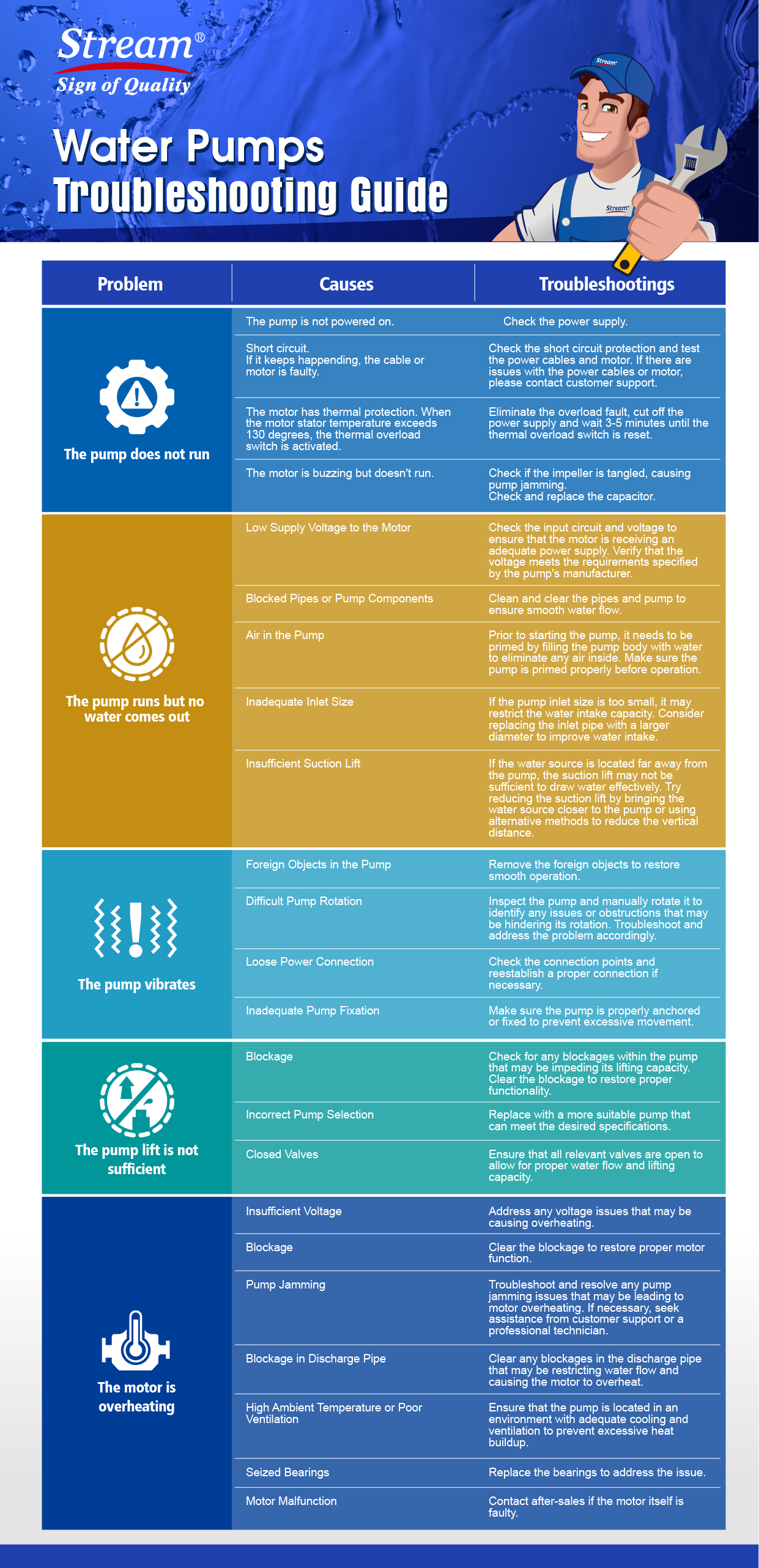
Even with correct steps, issues can block successful priming.
No Water Flow After Startup
Air leaks in the suction line show as bubbles in clear hose sections or hissing sounds. Apply soapy water to joints. Bubbles reveal leaks. Tighten or replace fittings.
A faulty foot valve causes water to drain back overnight. Replace the valve. Consider installing a priming tee for easier future access.
A dry suction line results from long vertical lift or drained system. Manually fill the line using garden hose or bucket method.
A closed intake valve prevents water from entering the pump. Open the valve and lubricate if stuck.
Low water level exposes the intake pipe in the well or stream. Lower the intake or wait for water recovery.
Motor Hums But Impeller Does Not Turn
This indicates a seized impeller, common after long storage. Cycle the pump on and off in 2 to 3 second bursts to avoid overheating. Access the rear cover and manually spin the impeller shaft. After freeing, run for 30 seconds, shut off, drain, flush out rust, then re-prime.
Never force-start a seized pump. This risks motor burnout.
Gurgling Continues Indefinitely
Persistent air bubbles mean trapped air or ongoing leaks. Open relief valves briefly to vent air. Tilt the pump gently to dislodge air pockets. Double-check drain and priming plugs are sealed. Inspect all clamps and threaded connections for micro-leaks.
Why Water Pumps Lose Prime
Even a correctly primed pump can lose suction due to system flaws.
Air Leaks in Suction Line
Micro-cracks, loose unions, or degraded O-rings let air in. These are especially common in PVC or polyethylene pipes exposed to UV or freezing. Test by spraying soappy water on joints while the pump runs. Bubbles indicate a leak.
Failed Foot Valve
This is the number one cause of recurring prime loss. Debris or wear prevents the valve from sealing, allowing water to drain back into the source. Replace annually in dirty water conditions. Install a priming tee to simplify future maintenance.
High Suction Lift
Atmospheric pressure limits suction lift to 20 to 25 feet. Beyond this, priming becomes unreliable even with a perfect system.
Cracked or Porous Pipes
Older hoses or damaged rigid piping can absorb air or develop hairline cracks. Replace with UV-resistant, non-porous materials.
Worn Mechanical Seals
Seals degrade over time, allowing air ingress. Inspect during maintenance and replace per manufacturer schedule.
Maintenance Tips to Prevent Prime Loss
Keep your pump ready for reliable startup with these habits.
Drain the system after seasonal use to prevent freeze damage. Remove the drain plug after final shutdown. Store portable units indoors. Plug openings to keep out debris.
Inspect plugs and seals regularly. Check the priming plug O-ring and drain plug for cracks or wear. Replace annually or at first sign of leakage.
Flush the system after dry running. If the pump ran dry, flush with clean water to remove built-up debris and rust. This restores performance and prevents clogs.
Test valves annually. Verify foot valve and check valve function by observing whether water stays in the line after shutdown. Replace if water drains out.
Monitor for bubbles. Use clear hose sections near the pump to spot air early. Bubbles during operation signal developing leaks.
Signs Your Pump Lost Prime
Know when to re-prime by recognizing these symptoms.
The pump runs but delivers no water. Humming or cycling occurs without pressure buildup. Intermittent flow follows by dry running. Visible air bubbles appear in discharge lines. Frequent on/off cycling occurs without maintaining pressure.
If any occur, shut off the pump immediately and re-prime.
When to Re-Prime a Water Pump
Re-priming is required whenever the system loses water.
After winterizing or seasonal shutdown, re-prime. Following repairs or maintenance, re-prime. After a power outage that drained the system, re-prime. When installing new piping or components, re-prime. Any time the pump runs dry, re-prime.
For Champion transfer pumps and similar models, always check the housing before use. If not full of water, prime it.
Safety Warnings
Avoid costly damage and injury with these precautions.
Never run the pump dry. Even 10 seconds of dry operation can overheat and destroy seals. Most manufacturers void warranties for dry-run damage.
Avoid over-tightening. Stripped threads or cracked housings result from over-torquing plugs and fittings. Hand-tighten plus a quarter turn is usually sufficient.
Use lockout/tagout in industrial settings. Ensure no accidental restarts during maintenance.
Wear protective gear. Gloves and eye protection guard against pressurized water bursts and sharp edges.
When to Call a Professional
DIY priming works for most cases, but persistent issues need expert help.
Seek a licensed technician if the pump loses prime repeatedly despite correct procedure. You suspect a failed foot valve deep in a well. Underground suction pipes may be cracked. Electrical faults or motor issues are present. Water levels are dropping due to drought or overuse.
Professionals use pressure testing, leak detection tools, and camera inspections to diagnose hidden problems.
Frequently Asked Questions About Priming Water Pumps
How long does it take to prime a jet pump?
Typically 30 seconds to 5 minutes after startup. Systems with long suction lines may need multiple attempts.
Can a jet pump prime itself?
Only self-priming models can auto-prime if the foot valve works and the system is airtight. Examples include Bromic Waterboy and Flint and Walling SPJ series.
Does every water pump need priming?
No. Only centrifugal pumps require it. Submersible and positive displacement pumps are self-priming.
Can dry running damage a pump?
Yes. Seals fail in seconds, leading to leaks, overheating, and motor burnout. Damage is often irreversible.
How often should I prime my pump?
Only when it has been drained or shut down, fails to deliver water, or you notice air in the system. No routine priming is needed if the system stays sealed.
Key Takeaways for Priming Your Water Pump
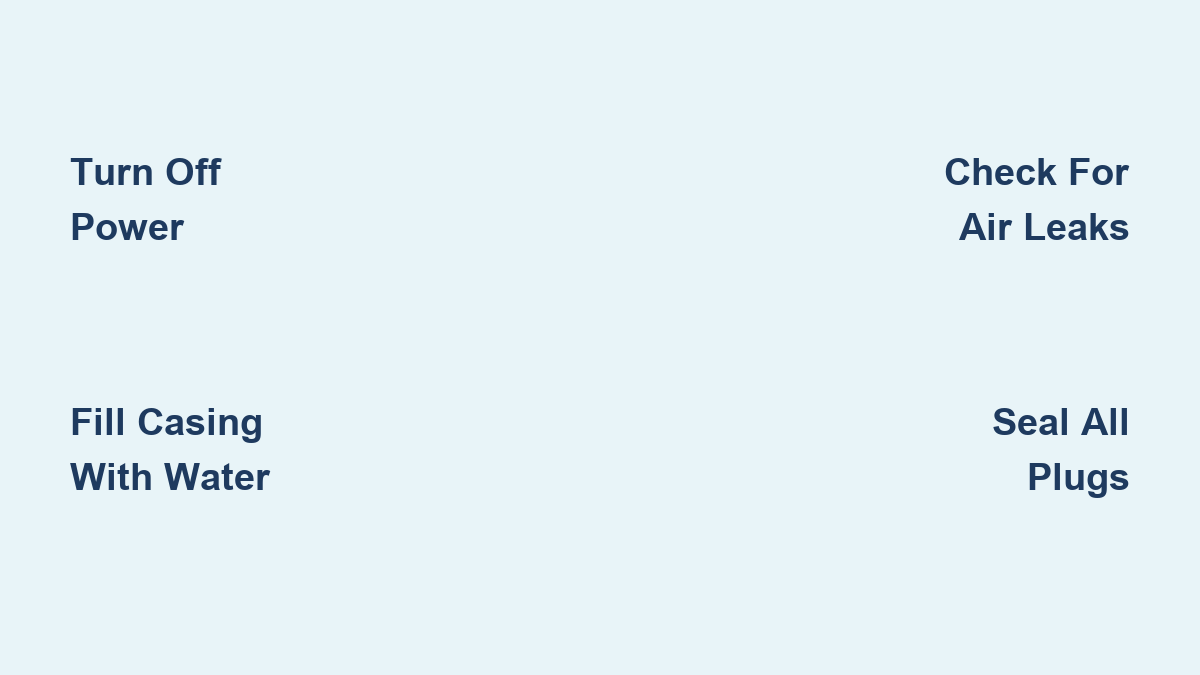
Priming a water pump is a straightforward process that involves filling the pump casing and suction line with water to remove air and establish proper suction. The essential steps include turning off power, filling the casing through the priming port, sealing all plugs tightly, and starting the pump while monitoring for steady water flow.
Understanding why pumps lose prime helps prevent future issues. Air leaks in suction lines, failed foot valves, high suction lift, cracked pipes, and worn seals are the most common culprits. Regular maintenance, including inspecting plugs and valves, draining the system before winter, and testing annually, extends pump life and reduces repeated priming needs.
Always prioritize safety by disconnecting power before working on the pump, avoiding dry running, and using proper protective gear. For persistent problems that do not resolve with correct priming procedures, consult a licensed pump technician to diagnose hidden issues. With proper technique and preventive care, your water pump will deliver reliable performance whenever you need it.