You turn on your water pump, the motor runs, but no water flows. The housing feels warm or hot. You hear gurgling, hissing, or strange sputtering sounds. If this sounds familiar, your pump has an airlock, a pocket of trapped air blocking water from moving through the system. Left unresolved, airlocks cause dry running, overheating, and permanent damage to your pump. The good news? You can clear an airlock yourself with basic tools and the right steps.
An airlock happens when air gets trapped in the pump chamber or suction line, breaking the vacuum needed to draw water. This is common in systems where the pump sits above the water source, like marine bilge pumps, irrigation setups, or above-ground pool systems. Without proper priming or due to small leaks, air sneaks in and stops water flow cold.
This guide walks you through how to get air out of a water pump, step by step. You will learn to diagnose an airlock, remove trapped air using proven methods, fix the root causes, and prevent future problems.
Recognize the Airlock Symptoms
Before attempting repairs, confirm the problem is an airlock and not mechanical failure. Identifying the symptoms saves time and prevents unnecessary part replacements.
Pump Runs But No Water Flows
The most obvious sign: the motor spins, but no water comes out. Do not assume the pump is dead. Many users replace working pumps unnecessarily. If the housing is warm and the impeller is turning, air is likely the culprit blocking water movement.
Hot Pump Housing
Water cools the pump during operation. No flow means no cooling. If the casing is too hot to touch after 30 seconds, the pump is running dry. Shut it off immediately. Most warranties void for dry-run damage.
Gurgling or Sputtering Sounds
Air moving through pipes creates hissing, popping, or sputtering noises at taps or outlets. Intermittent flow that starts strong then fades is classic airlock behavior.
Reduced Pressure or Intermittent Flow
Even if some water reaches fixtures, weak pressure or pulsing delivery suggests air pockets disrupting steady flow. Bleeding the system often restores full performance.
Pro Tip: Run all taps for 15 seconds after repair. Residual bubbles hide in high points, and this flushes them out completely.
Find the Source of Air Entry
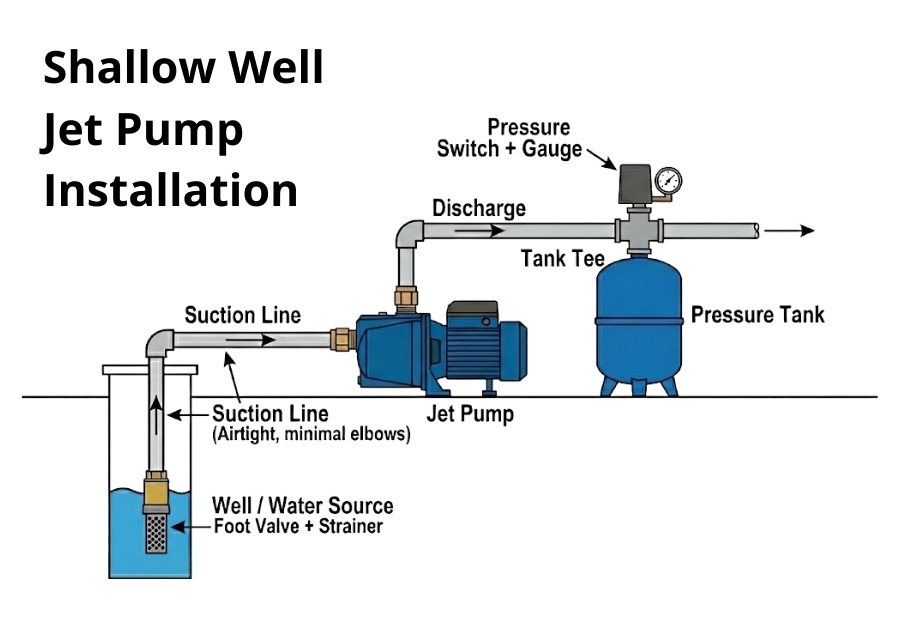
Clearing air is only temporary if new air keeps getting into the system. You must inspect the suction side where air enters under vacuum conditions.
Check for Leaky Suction Hoses
Cracks, soft spots, or UV-damaged sections on the inlet hose suck in air like a straw. Inspect the entire length, especially near clamps and bends. Replace with rigid, vacuum-rated suction hose designed for suction-side use.
Common Mistake: Using standard garden hose on the suction side. Garden hose collapses under vacuum and leaks air, causing repeated airlocks.
Inspect Fittings and Clamps
Loose barb fittings, cracked O-rings, or degraded gaskets let air in. Even a tiny gap breaks prime. Tighten all connections and replace worn clamps. Use Teflon tape or pipe dope on threaded connections.
Test the Foot Valve
Located at the submerged end of the suction hose, the foot valve keeps water in the line when the pump stops. If it is cracked, dirty, or stuck open, prime is lost every cycle. Remove, clean, and test by blowing through it. Air should pass one direction only.
Fix: Soak the foot valve in vinegar if clogged with scale. Replace if cracked or damaged.
Clear Air with Manual Bleeding
When the pump is airbound, you must force the trapped air out through an open pathway.
Disconnect Outlet Hose to Release Air
This method works best for diaphragm pumps like Shurflo marine models.
- Turn off power to the pump.
- Locate the outlet hose leading to your taps.
- Release the quick-connect lock by pulling down the locking tab.
- Slide the hose off the pump fitting.
- Turn the pump on. Air will blast out with a distinct “pfft” sound.
- Wait until steady water sprays from the outlet.
- Turn the pump off, reconnect the hose, and lock it in place.
- Open all taps and run water for 15 seconds to clear residual air.
Why it works: The pump pushes air out the open discharge. A working check valve keeps water in the system once flow is established.
Prime the Pump with Water
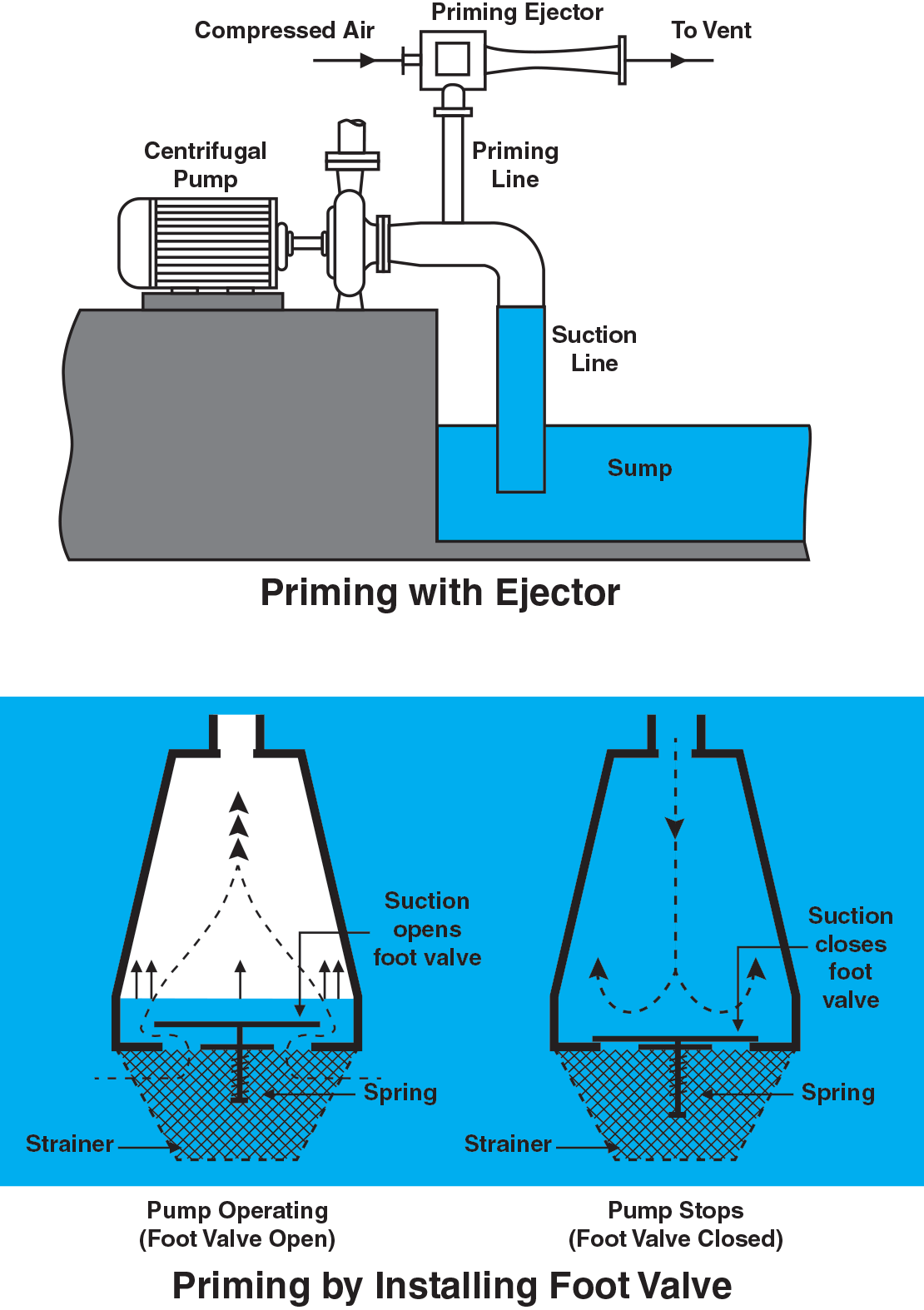
Centrifugal and transfer pumps need water in the impeller chamber to create suction. Without proper priming, these pumps cannot draw water effectively.
Fill the Pump Casing Directly
- Shut off power to the pump.
- Find the priming plug on top of the pump housing.
- Remove the plug and pour clean water into the chamber until full.
- Replace the plug securely.
- Turn on the pump. Water should flow within seconds.
No priming plug? Disconnect the suction hose and submerge it in a bucket of water. Turn on the pump. This “baiting” method pulls water in directly.
Use a Garden Hose to Prime
This method works for above-ground pool and irrigation pumps.
- Connect a garden hose to the discharge side of the pump.
- Open the hose valve to allow reverse flow that fills the pump backward.
- Let water run for 30 seconds.
- Close the valve, disconnect the hose, and restart the pump.
Expert Note: Some pumps have a built-in air bleed screw. Open it while priming. Air escapes first, then water. Close the screw once water flows steadily.
Fix Faulty Valves Causing Airlocks
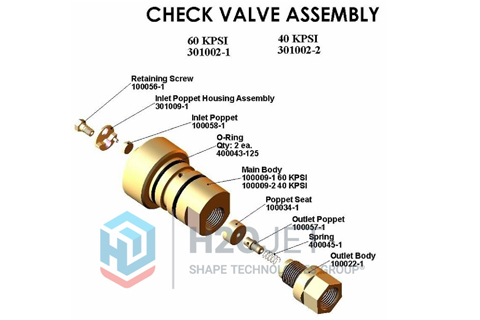
A bad valve means constant re-priming. Addressing valve issues eliminates repeated airlock problems.
Clean or Replace the Check Valve
- Shut off power and relieve pressure in the system.
- Isolate the valve, usually threaded near the pump inlet.
- Disassemble and inspect the rubber seal or spring.
- Clean debris with a soft brush.
- Reassemble and reinstall the valve.
When to replace: Cracked seal, corroded body, or if it does not hold backflow when tested.
Install a Foot Valve if Missing
If your system lacks a foot valve, add one at the suction end. It maintains prime and prevents backflow. Ensure the foot valve is submerged at least 6 inches below water level to prevent vortexing.
Replace Damaged Hoses and Seals
Old or wrong-type hoses are the number one cause of recurring airlocks. Investing in proper components pays off.
Choose the Right Suction Hose
Use rigid or semi-rigid hose rated for vacuum service. Look for these features:
- Reinforced walls that resist collapse
- UV resistance for outdoor use
- Marking indicating “suction hose” or “vacuum-rated”
Avoid clear vinyl or flexible plastic. These collapse under vacuum and leak air continuously.
Replace Worn Seals and O-Rings
Inspect seals at pump inlets, valves, and connectors. If cracked, swollen, or brittle, replace immediately. Lubricate new O-rings with silicone grease for a better seal and longer life.
Install Suction Line Correctly
Prevent airlocks before they start by following proper installation practices.
Slope Hose Upward to Pump
Route the suction line so it rises continuously from the water source to the pump. Avoid dips or high points. These become air traps that block water flow.
Minimize Elbows and Fittings
Each bend increases resistance and creates potential leak points. Use as few fittings as possible. If elbows are needed, use long-radius types to maintain smooth flow.
Submerge Intake Deep Enough
Keep the suction end at least 6 inches below the water surface. Shallow intake causes vortexing, a swirling motion that pulls air down into the intake line.
Avoid: Over-pumping shallow sources. Let wells or sumps refill between cycles.
Prevent Future Airlocks
Stop problems before they happen with regular maintenance and proper setup.
Follow a Maintenance Schedule
| Component | Check Frequency |
|---|---|
| Hoses and clamps | Monthly |
| Valves | Quarterly |
| Pump housing | Biannually |
| Priming system | Before each season |
Keep a Priming Kit Handy
Store a bucket, garden hose, spare clamps, and Teflon tape. For seasonal systems like boats and pools, prime before first use rather than waiting for failure.
Install Dry-Run Protection
In critical applications, add a dry-run sensor that shuts off the pump if no flow is detected. This prevents burnout and extends pump life significantly.
Know Your Pump Type
Not all pumps handle air the same way. Understanding your pump type helps you apply the right solution.
Centrifugal Pumps Need Priming
These are common in pools, irrigation, and residential systems. They must be filled with water to start operating. No self-priming means manual help is required every time.
Diaphragm Pumps Tolerate Air Better
Used in marine and RV systems. These are often self-priming up to 25 feet. Clear air quickly by disconnecting the outlet hose.
Self-Priming Pumps Have an Edge
These pumps can evacuate air automatically. But self-priming only works if no leaks exist. Even a small leak stops the self-priming function completely.
Performance Fact: A pinhole leak can cut suction lift by 50 percent. Seal everything tight.
Real-World Fixes That Work
Marine Freshwater System (Shurflo Pump)
Issue: No water after winter storage.
Fix: Disconnect the blue outlet hose, turn on the pump. Air blasts out, then water follows.
Result: Full flow restored in under one minute.
Farm Irrigation (Honda Transfer Pump)
Issue: Pump runs but will not draw from stream.
Fix: Clean foot valve clogged with algae, prime casing with bucket water.
Result: Water flow resumes with no restart issues for weeks.
Above-Ground Pool Pump
Issue: Air in pump after filter cleaning.
Fix: Open air bleed screw on lid, pour water into strainer basket, restart pump.
Result: Air hisses out, pump primes in 30 seconds.
Key Takeaways for Clearing Water Pump Airlocks
Getting air out of a water pump requires attention to detail and systematic troubleshooting. Most airlocks stem from small leaks or skipped priming, not pump failure. By following these steps, you will restore flow fast and protect your equipment.
Remember these core points. First, confirm the symptoms before starting repairs. A running pump with no flow, hot housing, and gurgling sounds points to an airlock. Second, find and fix air entry points on the suction side. Check hoses, fittings, and valves for leaks or damage. Third, prime the pump properly using water baiting or the priming plug. Fourth, bleed trapped air through the outlet hose or air bleed screw. Fifth, run all taps for 15 seconds after repair to flush residual bubbles. Finally, prevent recurrence by using proper vacuum-rated hose, installing a foot valve, and maintaining seals regularly.
Never run a pump dry for more than 30 seconds. Address airlocks immediately when symptoms appear. With proper setup and maintenance, your pump will deliver reliable water for years without guesswork.
Frequently Asked Questions About Water Pump Airlocks
Why does my water pump keep getting airlocked?
Your pump keeps getting airlocked because air is entering the suction side through leaks, worn seals, or damaged hoses. The most common causes are cracked suction hoses, loose fittings, or a faulty foot valve that does not hold prime. Inspect all suction-side components and replace any worn parts.
Can I use garden hose on the suction side of a water pump?
No. Standard garden hose collapses under vacuum and leaks air. Always use vacuum-rated suction hose designed for suction-side installation. This hose has reinforced walls that resist collapse and proper sealing for vacuum conditions.
How do I know if my foot valve is bad?
Test the foot valve by removing it from the suction line and blowing through it. Air should pass in one direction only. If air passes both ways or if the valve is cracked, dirty, or stuck, it needs cleaning or replacement.
How long can a pump run dry before it damages?
Most pumps can only run dry for 30 seconds or less before suffering damage. Dry running overheats the motor and damages seals. Install dry-run protection sensors to auto-shutoff if no flow is detected.
Do self-priming pumps still get airlocked?
Yes. Self-priming pumps can still get airlocked if leaks exist on the suction side. The self-priming function only works when the system is sealed properly. Even a small leak stops self-priming capability.
What is the fastest way to get air out of a marine water pump?
The fastest method for marine diaphragm pumps is disconnecting the outlet hose. Pull the quick-connect lock, slide off the hose, turn on the pump, and wait for steady water to spray out. This method typically clears airlocks in under one minute.