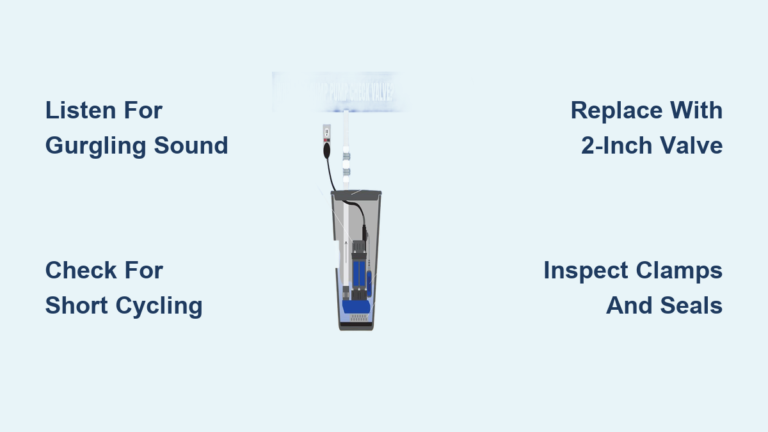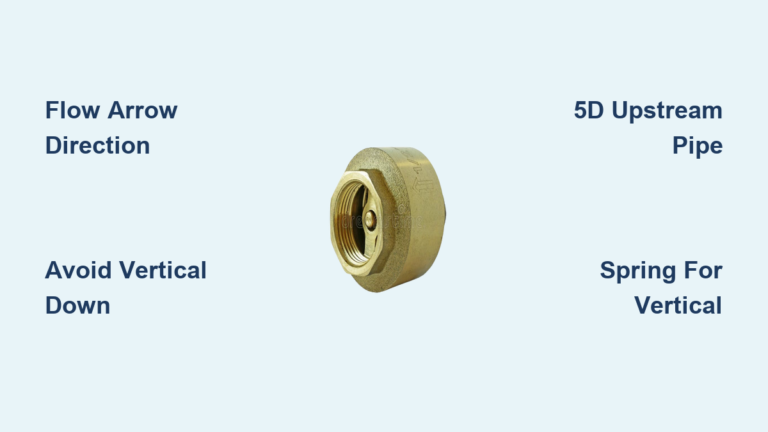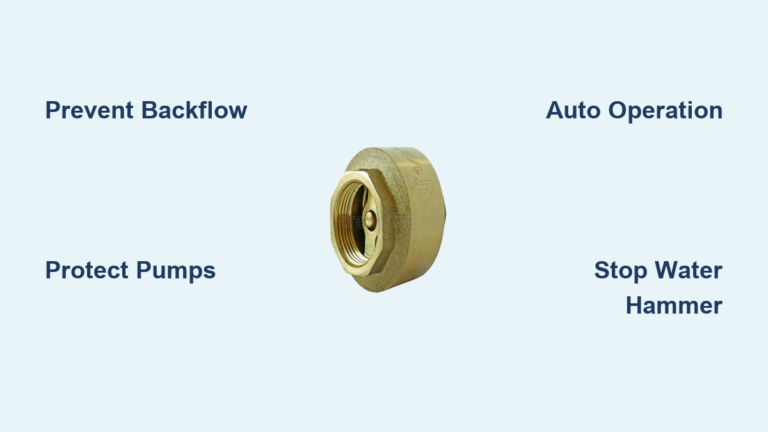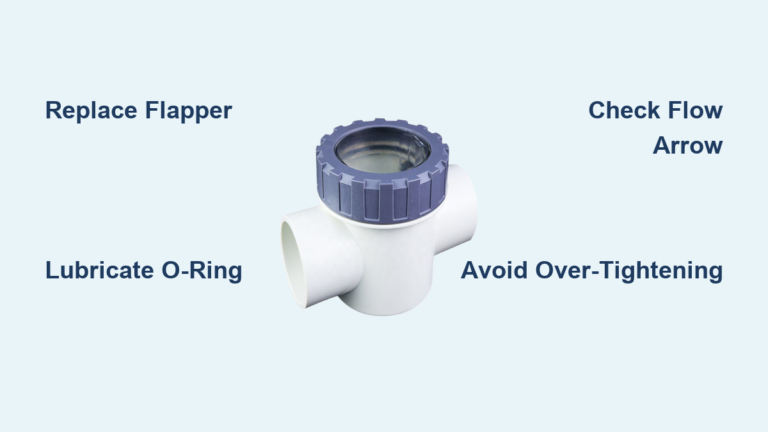
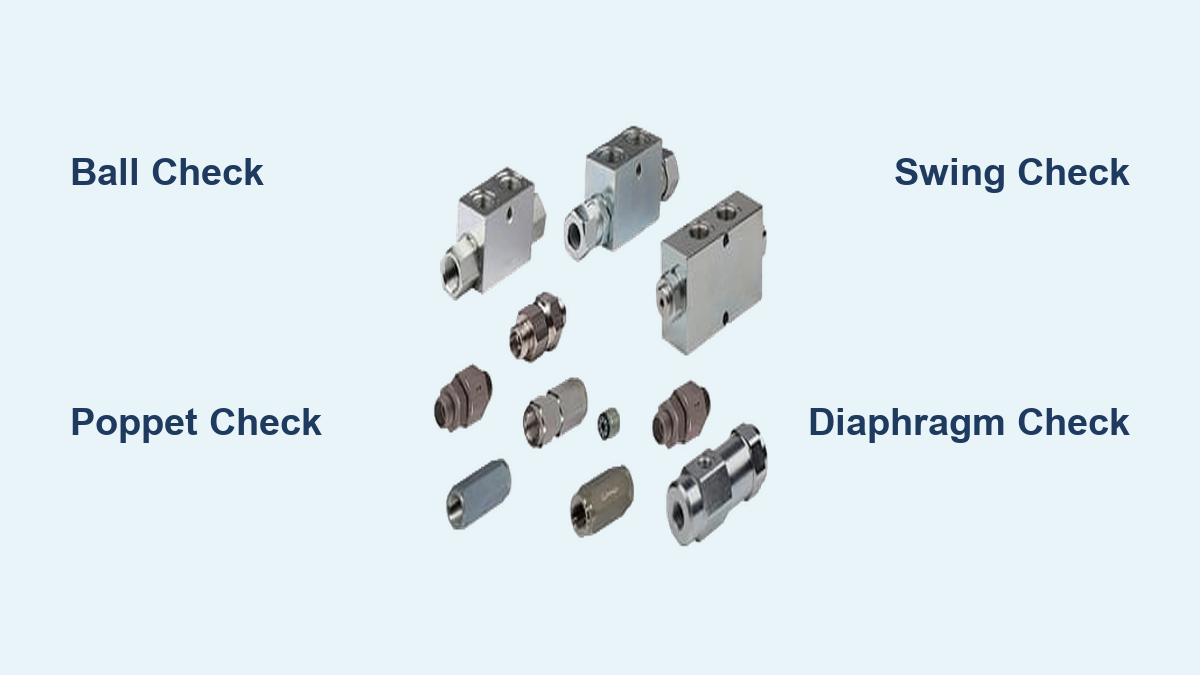
Hydraulic check valves are self-actuating safety devices that allow fluid to flow in only one direction while blocking reverse flow. Found in everything from industrial machinery and mobile equipment to municipal water systems and aircraft landing gear, these components protect pumps, prevent cylinder creep, and maintain system pressure. Understanding the full range of hydraulic check valve types helps engineers and technicians select the right valve for any application.
This guide covers every major hydraulic check valve type, explains how each one operates, identifies ideal applications, and provides practical selection criteria. You will also learn about installation best practices, troubleshooting tips, and material compatibility. Whether you are designing a new hydraulic circuit or maintaining an existing system, this resource will help you make informed decisions and avoid costly failures.
Ball Check Valves: Simple and Debris-Tolerant

Ball check valves use a spherical element that lifts off a conical seat when forward pressure is applied and reseats when flow stops or reverses. Some designs include a light spring to assist sealing and define a specific cracking pressure.
Spring-Loaded Versus Gravity-Operated Designs
Spring-loaded ball checks provide precise cracking pressures starting at low values and operate in any orientation. Gravity-operated versions rely on the ball’s weight and work best in vertical lines with upward flow. Both variations handle particulate-laden fluids effectively.
Best Applications for Ball Check Valves
• Fuel pumps and chemical transfer systems
• Foot valves in well and irrigation systems
• Slurry handling and wastewater treatment
• Systems with viscous or debris-laden media
Pro Tip: Match valve size precisely to flow rate. Oversized ball checks tend to chatter, causing premature wear and noise.
Poppet Check Valves: Tight Sealing for High Pressure
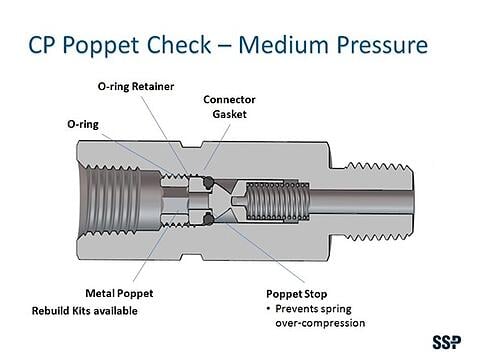
Poppet check valves feature a spring-loaded disk or cone that lifts off a precision-machined seat. The flat sealing surface delivers near-zero leakage, making these valves ideal for demanding hydraulic circuits.
Why Poppet Designs Excel Under Pressure
The conical or disk geometry creates a metal-to-metal seal that holds tight even at extreme pressures. Response time is fast, and the design resists clogging better than many alternatives.
Ideal Use Cases
• Load-holding circuits in mobile hydraulics
• High-pressure test benches
• Logic valve manifolds
• Pilot-operated systems requiring bubble-tight shutoff
Note: Avoid standard poppet checks in low-pressure gravity-fed lines unless specifically designed for low cracking pressure.
Swing Check Valves: Reliable Service in Large Pipes
Swing check valves use a hinged disc that swings open with forward flow and closes when flow reverses. They are commonly used in water distribution and low-viscosity fluid applications.
Available Variations
• Standard swing: relies on gravity and flow dynamics
• Lever and weight: external weight controls closure speed
• Spring-assisted: ensures fast, positive closure in high-velocity lines
• Dashpot-equipped: hydraulic damping prevents slamming
Installation and Common Uses
Swing checks must be installed horizontally or with proper support to prevent disc hang-up. They serve municipal water distribution, cooling water systems, HVAC chillers, and large-diameter pipelines.
Warning: Standard swing checks are not recommended for pulsating flows unless damped. Fatigue failure is a real risk.
Lift Check Valves: Precision Control for Vertical Flow
Lift check valves guide a piston or disc vertically within a cage, lifting it open with upstream pressure. The guided motion provides stable sealing under high pressure.
Design Configurations
Tee-pattern lift checks offer standard vertical configuration. Wye-pattern versions feature an angled body that reduces turbulence and pressure drop, handling velocities up to 250 FPS.
Where Lift Checks Perform Best
• Boiler feedwater systems
• Steam lines and high-pressure oil transfer
• Fire protection circuits
• Applications requiring smooth vertical flow
Key Benefit: Wye-pattern designs offer superior flow characteristics and better performance under high-velocity conditions.
Tilting Disc Check Valves: Rapid and Quiet Closure
Tilting disc valves feature an offset pivot point that allows the disc to tilt open and closed with minimal travel. This geometry responds quickly to flow changes and dramatically reduces water hammer.
Performance Advantages
• Quiet operation compared to standard swing checks
• Stable performance across wide flow ranges
• Low pressure drop and resistance to chatter
• Excellent response in turbulent flow conditions
Typical Applications
• Power plant cooling circuits
• Petrochemical processing lines
• Water treatment facilities
• Systems with frequent start-stop cycles
Expert Note: Tilting disc valves are often preferred for retrofit projects replacing swing checks due to their superior dynamic response.
Diaphragm Check Valves: Clean and Silent Operation
Diaphragm check valves use a flexible elastomeric element that flexes open under pressure and seals tightly when flow stops. The design eliminates metal-to-metal contact and produces silent operation.
Sealing Mechanism and Benefits
The diaphragm presses against a soft seat to create a bubble-tight seal. No internal metal wear occurs, and the smooth flow path resists clogging from sludge or particulates.
Common Applications
• Pharmaceutical and biotechnology processing
• Food and beverage production lines
• Ultra-pure water systems
• Chemical dosing pumps
Material Tip: Choose EPDM for water service, Viton for oils, and PTFE-lined diaphragms for aggressive chemicals.
Duckbill Check Valves: Flexible and Self-Cleaning
Duckbill check valves consist entirely of flexible rubber or synthetic elastomer shaped like a duck’s beak. Upstream pressure forces the lips apart, and any pressure drop collapses them shut.
Self-Cleaning and Corrosion-Resistant Design
The collapsing lips wipe clean with each cycle, preventing clogging from solids, fibers, or sludge. With no metal parts, these valves resist corrosion and perform well in submerged applications.
Key Application Areas
• Stormwater outfalls and drainage systems
• Sewage discharge lines
• Marine bilge systems
• Environmental remediation projects
Installation Note: Duckbill valves install horizontally or vertically and are commonly used in buried or subsea settings.
Butterfly (Dual Disc) Check Valves: Compact and Fast
Butterfly check valves feature two hinged half-discs connected by a spring. The wafer-style design fits between flanges and offers rapid closure without slamming.
Rapid Closure and Space-Saving Design
The short travel distance of the folding discs results in fast closure, minimizing water hammer and noise. Lightweight construction simplifies installation and reduces maintenance demands.
Where Butterfly Checks Excel
• Fire sprinkler systems
• HVAC water loops
• Compact machinery and equipment
• Retrofit projects with limited space
Pro Tip: Butterfly checks are ideal for systems requiring frequent cycling and noise-sensitive environments.
Foot Check Valves: Prime Protection for Pumps
Foot check valves install at the suction end of a pump and combine a check mechanism with an integrated strainer. They maintain pump prime and filter debris that could damage pump internals.
Dual Functionality
The valve prevents backflow when the pump stops, keeping the suction line primed. The integrated screen blocks debris, protecting the pump from damage and maintaining efficiency.
Common Applications
• Irrigation pumps and well water extraction
• Firefighting equipment
• Municipal water supply systems
• Agricultural and rural water systems
Maintenance Must: Clean the strainer screen regularly. Clogging reduces efficiency and can cause cavitation damage.
Pilot-Operated Check Valves: Controlled Load Holding
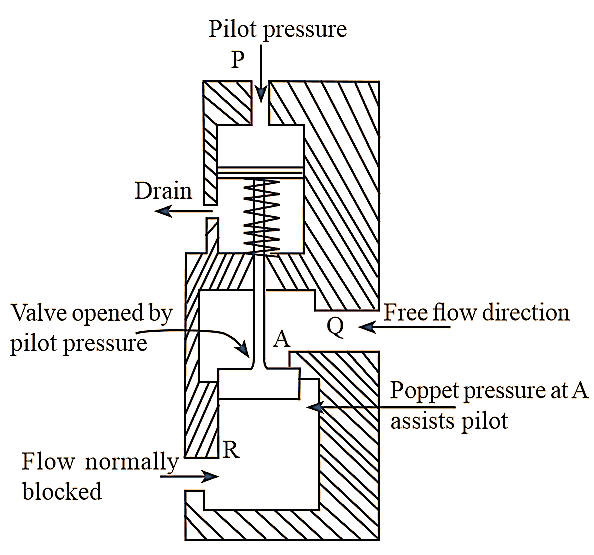
Pilot-operated check valves allow free forward flow but block reverse flow unless an external pilot signal opens them. They play a critical safety role in hydraulic systems holding suspended loads.
How Pilot-to-Open Function Works
Forward flow passes unrestricted. Reverse flow is blocked until pilot pressure is applied to a separate port, which forces the poppet open and allows controlled reverse flow.
Industrial Applications
• Excavator booms and bucket cylinders
• Hydraulic presses and lifting equipment
• Elevating platforms and aerial lifts
• Any system holding suspended or overhead loads
Expert Insight: Pilot-operated checks are often used in pairs or sets of four to create logic circuits for directional control without traditional spool valves.
Shuttle Valves: Selecting the Highest Pressure
Shuttle valves route the higher of two input pressures to a single output. A movable ball or spool shifts to block the lower-pressure inlet, ensuring the dominant signal reaches the outlet.
Internal Mechanism and Common Uses
The valve contains two seats and a shifting element that responds to pressure differentials. Applications include load sensing circuits, dual pump systems with backup source switching, pilot pressure selection, and emergency override systems.
Design Note: Functionally, shuttle valves are specialized dual check valves where only one side opens at any given time.
Line Rupture Valves: Emergency Safety Protection
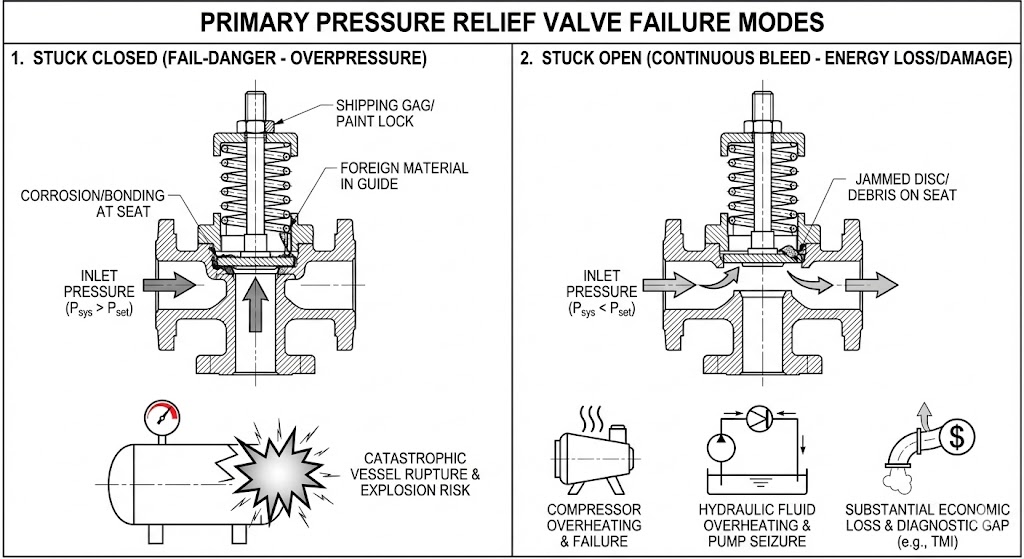
Line rupture valves are fail-safe check valves designed to shut instantly if a hydraulic line bursts. A sudden surge in flow rate creates a pressure differential that triggers immediate closure.
Protection Scope and Applications
These valves stop uncontrolled cylinder drop, prevent fluid ejection, and maintain system isolation during line failures. They are required on mobile cranes, elevators, aircraft landing gear, and any system with overhead loads.
Testing Required: Line rupture valves must be functionally tested periodically to ensure reliable operation when needed most.
Orifice Check Valves: Integrated Flow Control
Orifice check valves combine a check valve with a fixed or adjustable orifice to regulate flow speed. They allow free flow in one direction and metered flow in the reverse direction.
Precision Applications
• Aircraft landing gear extension and retraction
• Damping circuits for smooth actuator movement
• Systems requiring fine flow control without separate valves
Engineering Use: Orifice checks enable precise control without adding separate flow control components to the circuit.
Selection Guide: Matching Valve to Application
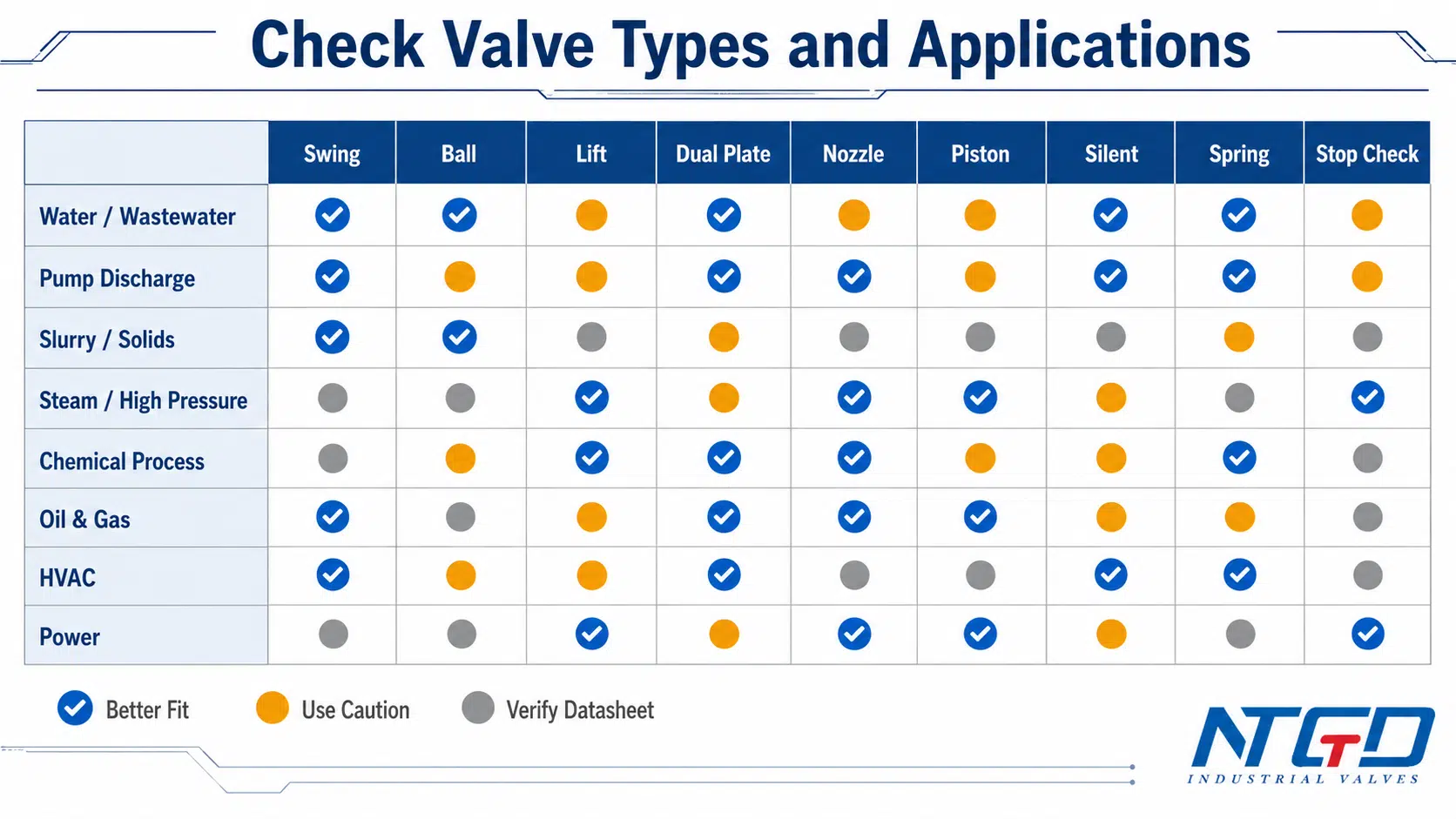
Selecting the correct hydraulic check valve type ensures longevity, safety, and efficiency. Several key factors determine the best choice for any given system.
Match Valve to Media Type
| Fluid Type | Recommended Valve |
|---|---|
| Hydraulic Oil | Poppet, Ball, Pilot-Operated |
| Water | Swing, Tilting Disc, Butterfly |
| Slurry and Solids | Ball, Duckbill, Diaphragm |
| Corrosive Chemicals | Diaphragm, Duckbill (PP, PVDF) |
| Steam | Lift (Wye-Pattern) |
Consider Flow and Pressure Conditions
• Low flow with low pressure: spring-loaded ball or diaphragm
• High pressure: poppet or pilot-operated designs
• High velocity: tilting disc or wye-pattern lift
• Pulsating flow: spring-assisted or dashpot-equipped
Evaluate Orientation and Space
• Vertical upward flow: lift or spring-assisted ball
• Horizontal lines: swing, butterfly, or poppet
• Tight spaces: wafer-style butterfly or cartridge poppet
• Noise-sensitive areas: silent check, tilting disc, or spring-assisted
Installation Best Practices
Proper installation prevents premature failure and ensures reliable operation. Following a few key guidelines saves time and money over the life of the system.
Straight Pipe Requirements
Install check valves with at least 5 to 10 pipe diameters of straight run downstream of elbows, tees, or pumps. This stable flow profile prevents disc flutter and turbulence.
Avoid Pump Proximity
Placing a check valve too close to a pump causes turbulence and accelerates wear. Use adequate straight run or install a pulsation dampener when space is limited.
Verify Flow Direction
Every check valve has an arrow marking the intended flow direction. Installing the valve backwards blocks flow entirely and may damage the system.
Use Proper Gaskets and Torque
Flanged check valves require correct gaskets sized to the application. Over-torquing damages seats and causes leaks that compromise performance.
Maintenance and Troubleshooting
Even simple check valves need attention in critical systems. Regular inspection and preventive maintenance extend service life and prevent unexpected failures.
Common Problems and Solutions
| Symptom | Likely Cause | Solution |
|---|---|---|
| Water hammer or banging | Rapid closure | Install silent or damped check |
| Cylinder creep | Leaking pilot-operated check | Inspect seals, test cracking pressure |
| No flow | Stuck disc or debris | Disassemble, clean, and reassemble |
| Chattering | Oversized valve | Resize to match flow rate |
| Reverse flow | Worn seat or broken spring | Replace valve or rebuild |
Preventive Maintenance Tips
• Listen for abnormal noises during monthly inspections
• Test pilot-operated valves under load quarterly
• Clean strainers on foot valves regularly
• Replace elastomers every 3 to 5 years in continuous service
Material Selection for Different Applications
Material choice affects corrosion resistance, pressure capability, and fluid compatibility. Selecting the right material prevents premature failure and ensures long service life.
| Material | Best For |
|---|---|
| Stainless Steel | Corrosive fluids, marine, food-grade systems |
| Cast Steel | High-pressure industrial hydraulics |
| Ductile Iron | General hydraulics and water systems |
| Bronze | Medium-pressure water and oil service |
| Brass | Low-pressure general purpose use |
| PVC and CPVC | Water treatment and chemical handling |
| Polypropylene (PP) | Aggressive acids and alkalis |
| PVDF | Ultra-pure semiconductor and pharmaceutical |
Seal Material Tip: Use Nitrile (Buna-N) for oil service, EPDM for water, and Viton for high temperature or chemical exposure.
Frequently Asked Questions About Hydraulic Check Valve Types
What Is the Most Common Type of Hydraulic Check Valve?
Ball and poppet check valves are the most widely used types in hydraulic systems. Ball checks handle debris well and work in various orientations, while poppet checks provide tight sealing for high-pressure applications. The choice depends on system pressure, fluid type, and installation orientation.
How Do I Choose the Right Cracking Pressure for My Application?
Cracking pressure should match your system’s minimum operating pressure. Low cracking pressure (0.5 to 1.0 bar) suits gravity-fed lines and pump isolation. Higher cracking pressures (5 bar or above) work for bypass relief and load-holding circuits. Always verify the cracking pressure specification before installation.
Can Check Valves Be Installed Horizontally?
Many check valves can be installed horizontally, including swing, tilting disc, butterfly, and spring-loaded poppet designs. However, gravity-operated ball checks and standard lift checks require vertical installation with upward flow. Always check the manufacturer’s specifications for orientation requirements.
What Causes Water Hammer in Check Valves?
Water hammer occurs when a check valve closes too quickly, creating a pressure surge in the flowing fluid. Standard swing checks are most prone to this problem. Solutions include silent check valves, spring-assisted designs, dashpot-equipped models, or installing surge tanks and accumulators.
How Often Should Hydraulic Check Valves Be Replaced?
Replacement intervals depend on application severity, cycling frequency, and fluid cleanliness. In continuous service, elastomers should be replaced every 3 to 5 years. Critical safety valves like line rupture and pilot-operated checks require periodic functional testing rather than fixed replacement schedules.
What Is the Difference Between a Check Valve and a Shuttle Valve?
A check valve allows flow in one direction only and blocks reverse flow. A shuttle valve has two inlets and one outlet, routing the higher pressure signal to the output while blocking the lower pressure inlet. Shuttle valves are functionally specialized dual check valves used for pressure selection.
Key Takeaways for Selecting Hydraulic Check Valve Types
Understanding hydraulic check valve types goes beyond memorizing names. Each design serves specific purposes based on pressure, flow, media, and orientation requirements. Ball and poppet checks dominate general hydraulic applications, while swing, tilting disc, and butterfly valves serve large-pipe water systems. Diaphragm and duckbill designs excel in sanitary and debris-laden environments. Pilot-operated and line rupture valves provide critical safety functions in load-holding and emergency shutoff applications.
Match the valve to your media, pressure range, flow conditions, and installation orientation. Follow proper installation practices, including adequate straight pipe runs and correct flow direction. Implement a preventive maintenance schedule that includes visual inspection, cleaning, and functional testing of safety-critical valves.
Your next step is to audit your current hydraulic systems. Identify any check valves showing signs of wear, chattering, or leakage, and evaluate whether the installed type matches the application requirements. Replacing the wrong valve type with the correct one often pays for itself by preventing unplanned downtime and equipment damage.