A foul odor emerging from your RV water tank often signals bacterial growth after forgotten drainage or long storage periods. If you neglected to drain your Shasta travel trailer before winter, standing water likely created a breeding ground for sulfur-reducing microbes.
This guide explains exactly how to remove smell from water tank systems using proven sanitizing methods and compressed air techniques. You will learn to flush lines, replace corroded parts, and prevent future odors with simple maintenance steps.
Immediate Actions After Discovering Undrained Water
Realizing you left water in your hot water tank during cold weather causes panic, but quick action prevents permanent damage. Your priority is removing standing liquid before temperatures drop further or bacteria multiply.
Open Drain and Pressure Relief Valves
Locate the drain valve at the bottom of your heater and the temperature pressure relief valve on the side. Open both valves immediately to let gravity empty the tank completely. Allow several minutes for all visible water to exit the system.
Wait If Temperatures Are Below Freezing
Do not force valves open if the tank feels frozen solid or ambient temps are below zero. Wait until the weather warms above freezing to avoid cracking the tank metal. Patience here saves you from costly replacements later.
Extract Water With Vacuum or Pump
Use a shop vacuum or hand pump to suck out residual moisture if gravity drainage stalls. Insert the vacuum hose near the pressure relief opening to pull trapped water from the bottom. This step ensures no hidden pockets remain inside the vessel.
Use Compressed Air to Dry Internal Lines

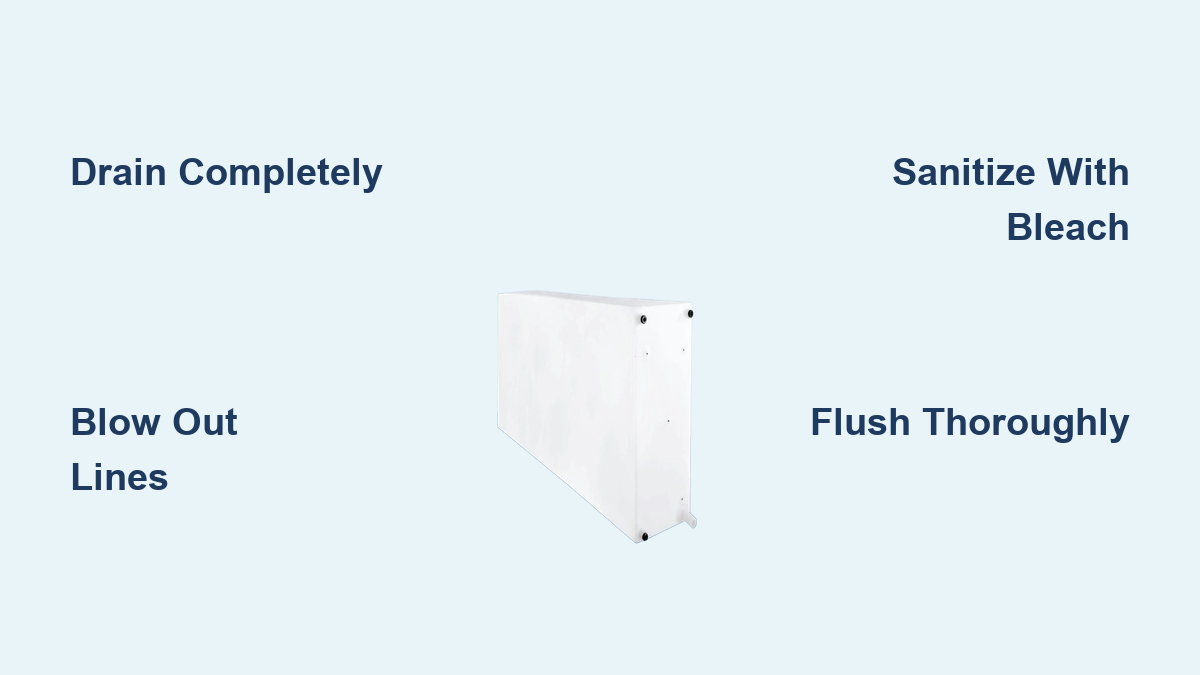
Blowing compressed air through your plumbing clears hidden water that gravity cannot remove. This critical step dries out low spots in pipes where stagnant water causes smells.
Connect Air Compressor to City Inlet
Attach an air compressor to your city water inlet using a specialized blow-out plug adapter. Set the regulator to 40 or 50 psi to avoid damaging internal seals or joints. Higher pressures risk bursting delicate components in your RV plumbing.
Blow Air Through System for Two Minutes
Run the compressor for one to two minutes to force water out of every line and fitting. Listen for sputtering sounds at open faucets which indicate water being pushed out. Keep faucets open during this process to allow moisture escape.
Verify Dryness at All Fixtures
Check every faucet, showerhead, and toilet supply line for remaining droplets. If water still sprays out, continue blowing air until only dry air exits. A completely dry system prevents the return of musty odors.
Sanitize System to Kill Odor Causing Bacteria

Once your tank is empty and dry, you must kill the bacteria responsible for rotten egg or musty smells. Sanitizing eliminates the biological source of the odor rather than just masking it.
Mix Bleach Solution for Tank Capacity
Combine one cup of non-scented household bleach with every 15 gallons of your tank capacity. Pour this mixture directly into the freshwater holding tank or through the pressure relief opening. Accurate mixing ensures effective disinfection without damaging seals.
Circulate Solution Through Every Faucet
Turn on your water pump and open each hot and cold faucet until you smell bleach. Start at the fixture closest to the pump and move systematically to the farthest point. Include outdoor showers and ice maker lines in this circulation loop.
Let Solution Sit for Three Hours Minimum
Close all faucets and let the bleach solution sit in the pipes and tank for at least three hours. Overnight dwell times provide the best results for killing stubborn sulfur-reducing bacteria. This waiting period is essential for total eradication.
Flush Plumbing to Remove Bleach Residue
Rinsing out the bleach is just as important as adding it to ensure your water tastes and smells fresh. Leftover chlorine can create its own unpleasant odor if not fully removed.
Refill Tank With Fresh Potable Water
Fill your freshwater tank completely with clean drinking water from a safe source. Open all faucets again and run water until the bleach scent disappears entirely. This process may take five to ten minutes per fixture depending on line length.
Repeat Flushing If Odor Persists
Perform a second flush with fresh water if any chemical or musty smell remains. Driving the RV helps slosh water around inside the tank to loosen biofilm from walls. Continue flushing until the water is completely odor-free.
Prevent Future Odors During Storage
Stopping smells before they start requires a strict routine whenever you store your RV for extended periods. Proper preparation keeps your water system fresh and ready for your next adventure.
Drain Tanks Completely Before Winterizing
Make it a habit to drain both the freshwater tank and water heater before any storage period. Open all drain valves and bypass the heater to ensure no water remains inside. Empty tanks mean no water to stagnate or freeze.
Pump RV Safe Antifreeze Through Lines
Use only pink non-toxic RV antifreeze to protect your plumbing from freezing and bacterial growth. Pump the antifreeze through every faucet until it appears at each outlet. Never use automotive antifreeze as it is toxic and unsafe.
Run Antifreeze Through Hot Water Lines
Open hot water faucets while pumping antifreeze to fill the heater tank and hot lines. This step ensures the entire heating system is protected from corrosion and freezing damage. Label your antifreeze containers clearly for safety.
Inspect Anode Rod and Filter Components
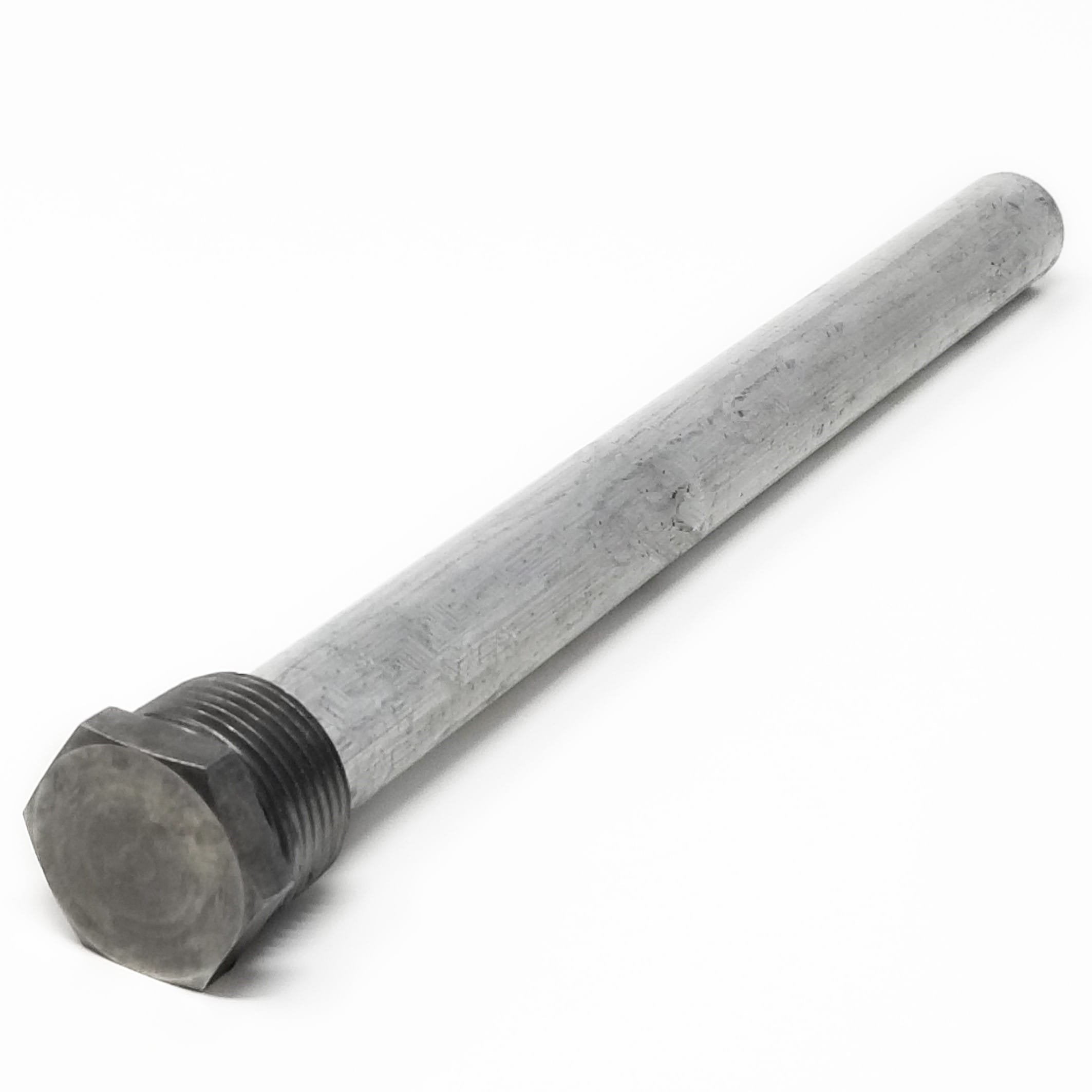
Sometimes the smell persists because a specific component like the anode rod is reacting with water minerals. Checking these parts can solve recurring odor issues permanently.
Replace Corroded Anode Rods
Inspect the anode rod inside your water heater for heavy corrosion or sulfur coating. Replace a worn rod with an aluminum-zinc or magnesium alternative to stop hydrogen sulfide production. A fresh rod prevents the rotten egg smell from returning.
Clean or Replace Inline Water Filters
Remove any inline water filters that may be harboring bacteria or mold spores. Install a new filter before refilling your system to ensure clean water flow. Dirty filters are a common source of persistent musty smells.
Flush Gray and Black Holding Tanks
Stagnant waste in holding tanks can back-draft odors into your fresh water system through shared vents. Flush these tanks with fresh water and a dedicated tank cleaner before your next trip. Clean holding tanks prevent cross-contamination of smells.
Use Natural Deodorizing Alternatives
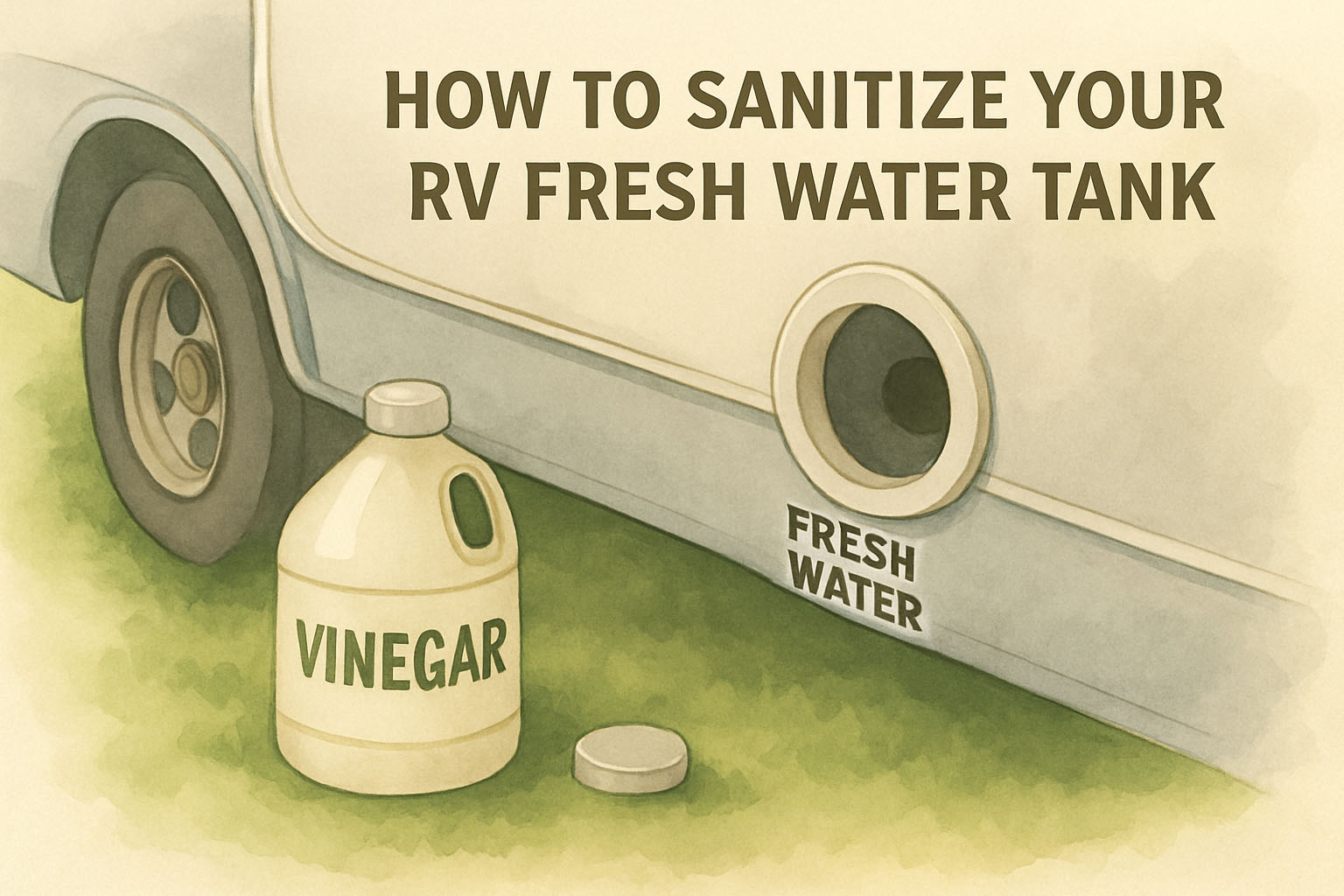
If you prefer avoiding harsh chemicals, natural ingredients can effectively neutralize odors in your water system. These methods are safe for potable water and gentle on plumbing components.
Apply Baking Soda and Vinegar Mixture
Mix one cup of baking soda with two cups of white vinegar and pour into the freshwater tank. Fill the tank partially with water and run it through the system before letting it sit for three hours. This combination neutralizes odors without harsh chemicals.
Try Lemon Juice for Fresh Scent
Add one cup of lemon juice to your freshwater tank and circulate it through all faucets. The citric acid breaks down biofilm while leaving a fresh citrus scent behind. Flush thoroughly with fresh water after treatment.
Maintain Fresh Water Quality Regularly
Consistent maintenance keeps your water tasting great and smelling clean throughout the camping season. Regular care prevents major odor problems from developing in the first place.
Sanitize System Every Three to Six Months
Plan to sanitize your freshwater system every few months even with regular use. This schedule prevents biofilm buildup and bacterial colonies from establishing themselves. Regular sanitizing is the best defense against bad smells.
Keep Tank Full or Fully Drained
Store your RV with the tank either completely full or totally empty to limit air exposure. A full tank reduces oxidation while an empty tank prevents stagnation. Avoid partial fills during long storage periods.
Ensure Proper Ventilation in Water Bay
Check that your water heater and freshwater bay have adequate ventilation to prevent mold growth. Trapped moisture in these compartments can transfer musty smells to your water lines. Good airflow keeps the area dry and fresh.
Troubleshoot Persistent Smell Issues
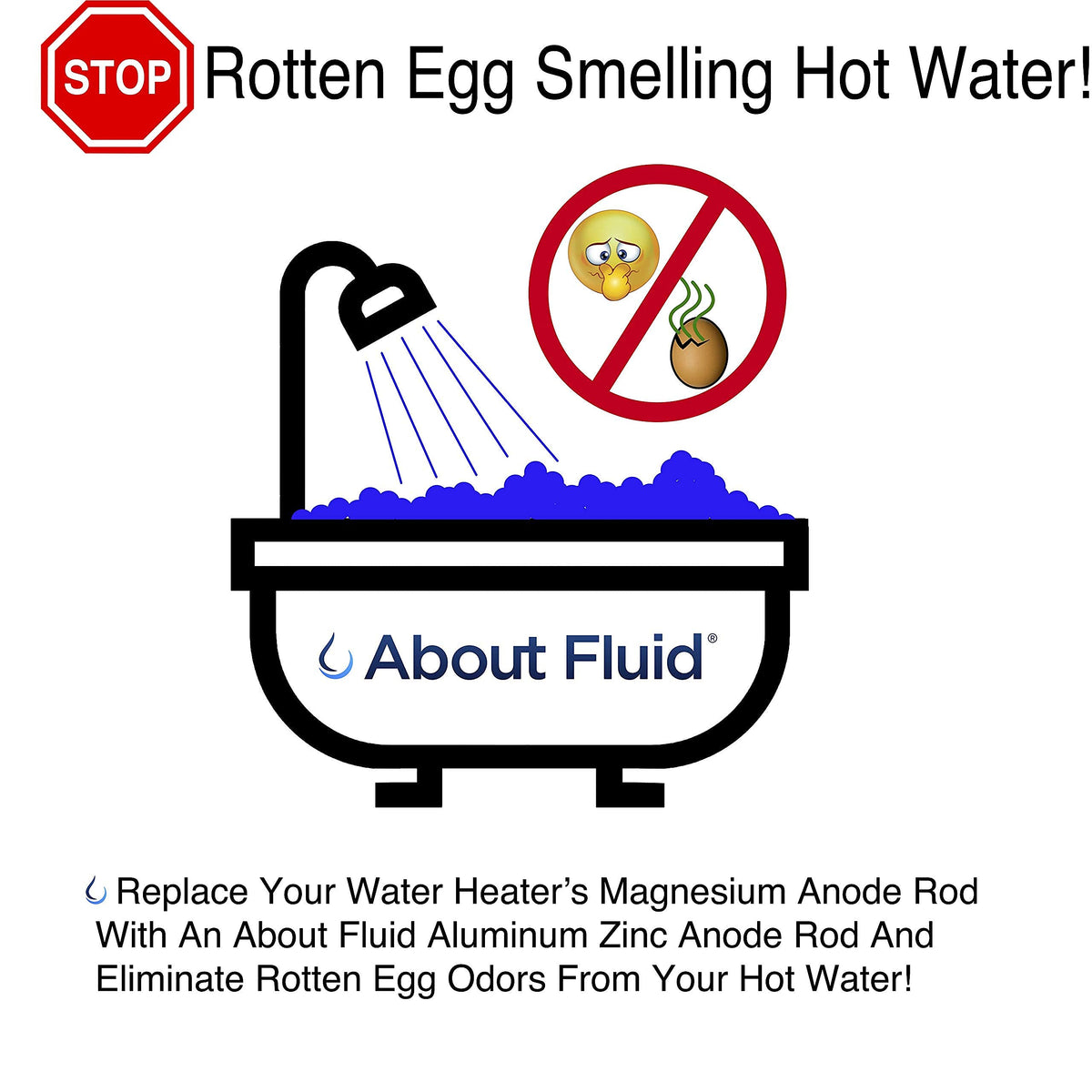
If odors return quickly after cleaning, deeper issues may exist within your plumbing or heater. Identifying the specific type of smell helps pinpoint the exact cause.
Identify Smell Source by Temperature
Determine if the smell comes only from hot water or both hot and cold lines. Hot water smells usually indicate water heater issues like a bad anode rod. Cold water smells suggest tank or line contamination.
Address Rotten Egg Smells Specifically
A rotten egg smell points directly to hydrogen sulfide gas from bacteria or anode reactions. Sanitize the system again and consider installing a powered anode to stop the reaction. Replacing the standard rod often solves this specific issue.
Eliminate Musty Moldy Odors
Musty smells suggest stagnant water or mold growth in the tank or lines. Remove access panels if possible to wipe interior surfaces with a diluted bleach solution. Rinse thoroughly after cleaning to remove all traces of mold.
Frequently Asked Questions About Water Tank Odors
How do I remove smell from water tank after winter storage?
Drain the tank completely, blow out lines with compressed air, and sanitize with a bleach solution. Let the solution sit for three hours before flushing thoroughly with fresh water.
Why does my RV water smell like rotten eggs?
This smell usually comes from hydrogen sulfide gas produced by sulfate-reducing bacteria or a reacting anode rod. Replacing the anode rod and sanitizing the system typically eliminates this odor.
Can I use vinegar to clean my RV water tank?
Yes, mixing vinegar with baking soda creates a safe natural cleaner that neutralizes odors. Always flush the system thoroughly with fresh water after using any cleaning solution.
How often should I sanitize my RV freshwater system?
You should sanitize your system every three to six months or whenever the RV sits unused for extended periods. Regular sanitizing prevents bacterial growth and keeps water tasting fresh.
Is it safe to drink water after using bleach to clean the tank?
Yes, provided you flush the system thoroughly until no bleach smell remains. The small amount of bleach used for sanitizing is safe once rinsed properly according to guidelines.
Key Takeaways for Removing Water Tank Smells
Knowing how to remove smell from water tank systems protects your health and improves your camping experience. Draining completely, using compressed air, and sanitizing with bleach are the most effective steps to eliminate odors.
Regular maintenance including anode rod checks and proper storage techniques prevents these smells from returning. Take action now to flush and sanitize your system before your next trip.