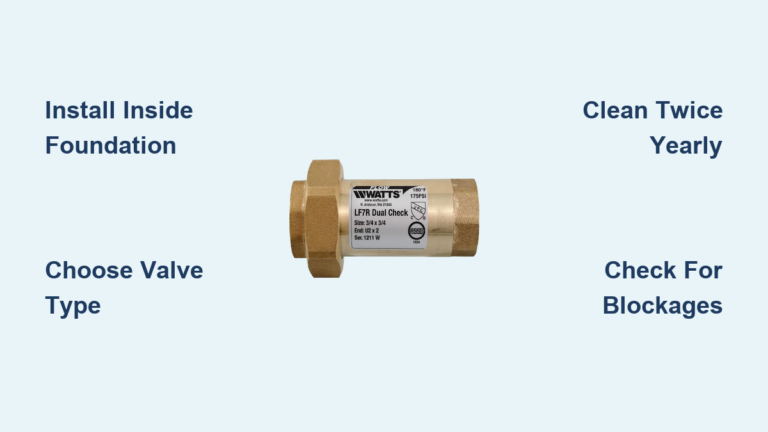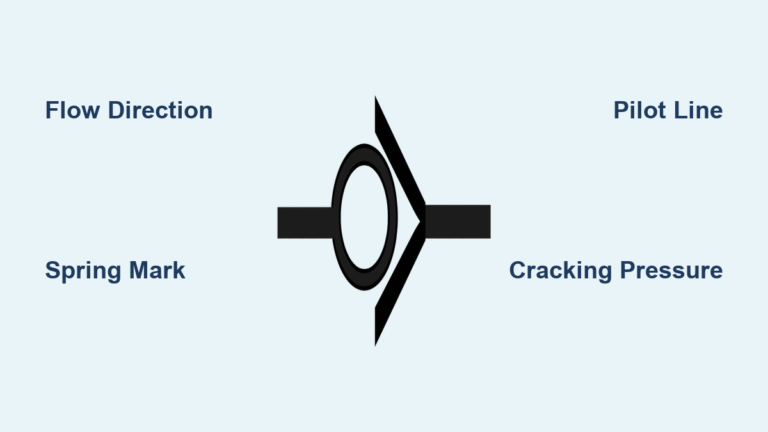

When your pump starts short cycling or cold water sneaks into your hot return line, the culprit is often a failing swing check valve. These valves work tirelessly to prevent reverse flow in plumbing, HVAC, and industrial systems, but corrosion, debris, and mechanical wear eventually take their toll. A stuck flapper or pitted seat allows water to flow backward, wasting energy and potentially damaging expensive equipment.
Swing check valve repair is frequently faster and cheaper than full replacement, especially when you catch the problem early. This guide walks you through diagnosing failure signs, safely disassembling the valve, replacing worn parts with repair kits, and deciding when a spring-loaded alternative makes more sense.
Identify Swing Check Valve Failure

Recognize Common Backflow Symptoms
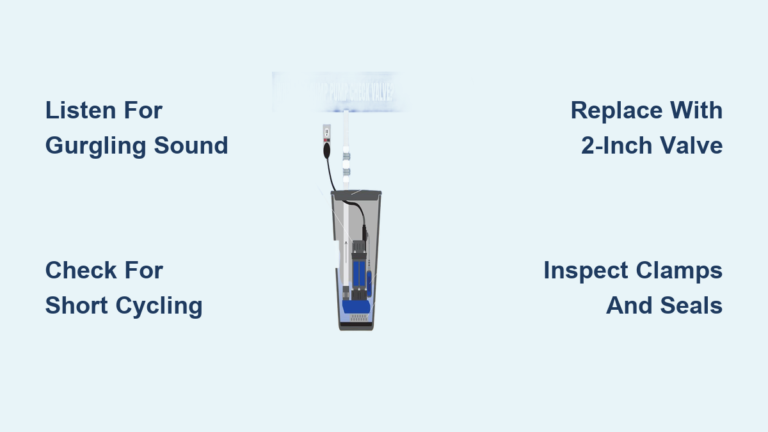
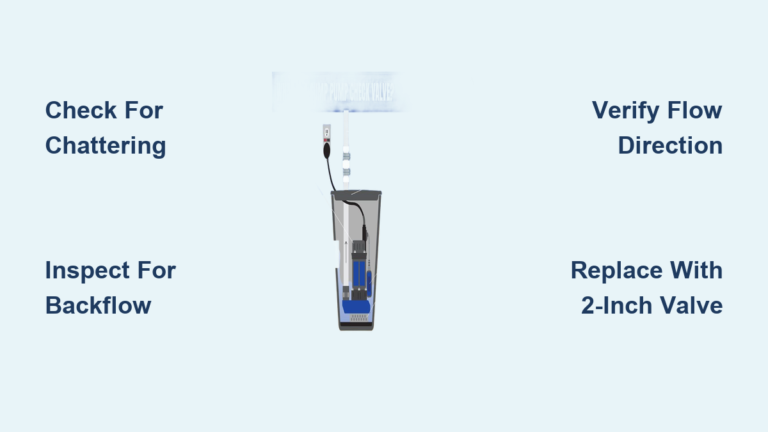
Backflow is the most obvious red flag. In residential well systems, you may notice the pump turning on and off repeatedly even when no taps are open. This short cycling happens because water drains back into the well after shutdown through a faulty seal.
In hot water recirculation setups, a failed valve lets cold water from the main supply enter the return line. The result is lukewarm showers and wasted energy as the recirculation pump runs needlessly. Detecting cold water in the hot return line