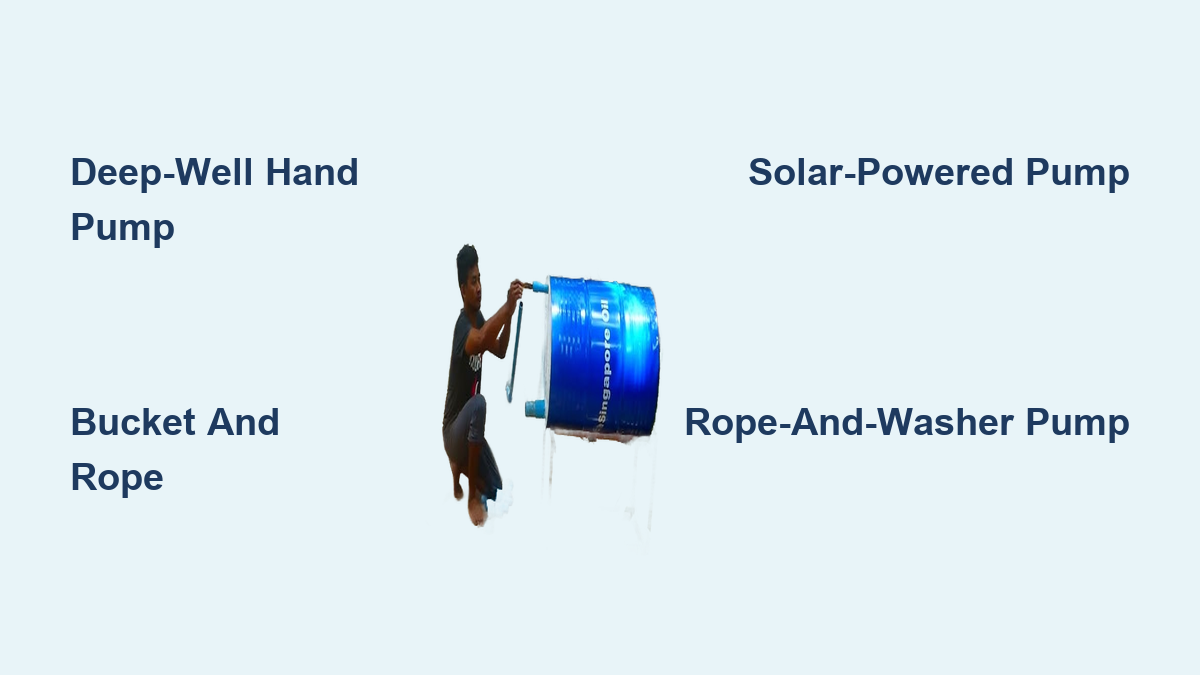
When the power goes out, your electric well pump stops working, leaving you without water for drinking, cooking, or sanitation. For off-grid homes, rural properties, or emergency preparedness, knowing how to pump water from a well without electricity is essential. Whether you’re facing a temporary outage or building long-term resilience, multiple proven methods exist to keep water flowing. This guide breaks down every practical method, compares their effectiveness, and helps you choose the right strategy based on your specific well conditions and needs.
Choose the Right Method Based on Your Well Depth
Your well’s depth determines which non-electric methods will work. Shallow wells under 30 feet allow for simple suction or surface-level systems. Deep wells over 100 feet require specialized equipment due to atmospheric pressure limits, since water cannot be lifted more than 33.9 feet by suction alone. Beyond that depth, mechanical displacement, submersed pumps, or airlift systems become necessary.
Shallow wells under 30 feet work with siphon setup, bucket retrieval, basic hand pumps, and DIY rope-and-washer systems. Mid-depth wells between 30 and 150 feet require deep-well hand pumps, solar submersibles, or generator backup. Deep wells exceeding 150 feet need solar DC pumps like Grundfos, windmills, or high-end hand pumps rated for 325 feet like Bison or Simple Pump models.
Most drilled wells have a 4 to 6 inch casing. Retrofitting a hand pump or solar system requires enough internal space. If your electric submersible pump is already down the well, some systems like the Flojak can be installed alongside it. Others may require professional removal or reconfiguration.
Household use typically requires 50 to 100 gallons per person per day. Livestock like cattle and horses need up to 30 gallons each. Gardens require 10 to 30 gallons per 100 square feet weekly. A bucket method might suffice for emergency use, but solar or wind systems are better for sustained daily supply.
Install a Deep-Well Hand Pump for Reliable Manual Access
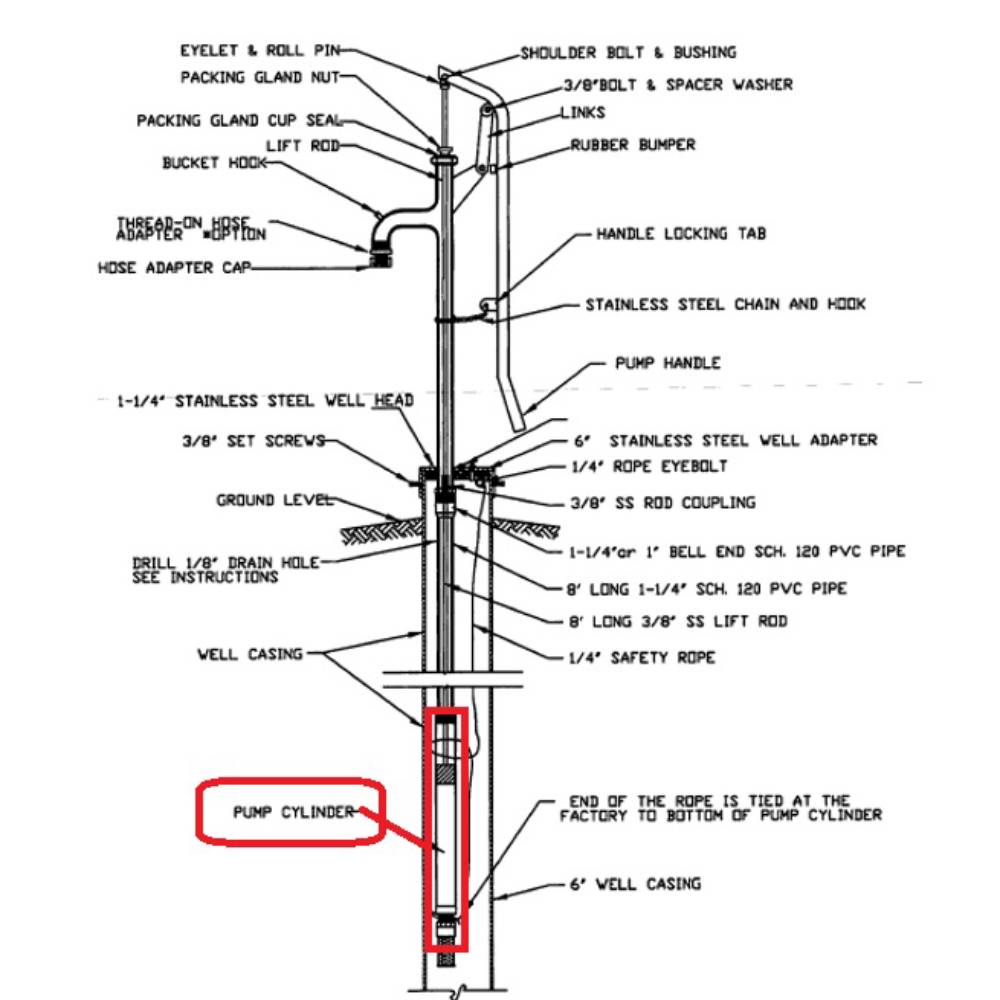
For reliable manual pumping beyond 100 feet, invest in a quality deep-well hand pump. The Bison Hand Pump is rated up to 325 feet with a durable, low-effort lever design. The Simple Pump also reaches 325 feet with a lever mechanism that reduces strain on shoulders. The Flojak Pump uses airlift technology and can be installed without removing your existing electric pump.
User feedback indicates high satisfaction with these systems. One user reported excellent fit and finish, noting they now have a potable water source regardless of power situation. These pumps must fit within your well casing, so check diameter before purchasing. They require secure mounting and a sealed cap to prevent contamination. Professional installation is recommended when retrofitting into an active well.
Even with high-end pumps, lifting water from over 200 feet is strenuous. After several minutes of pumping, users report significant shoulder fatigue and difficulty maintaining the water column. At 250 feet depth, one user noted that after 100 pumps the pump would not hold a column of water, making continued pumping extremely difficult.
Retrieve Water with the Simple Bucket and Rope Method
This low-tech method works in any depth well with sufficient diameter clearance. Use a galvanized bucket from retailers like Lehman’s or construct a DIY PVC pipe with a check valve. Tie a strong, non-stretch rope like nylon or polypropylene to the bucket.
Lower the bucket upside down. This allows it to sink quickly and fill within seconds instead of bobbling on the water surface. Once submerged, the bucket rights itself and fills completely. Haul up manually using a tree, post, or tripod as your anchor point.
This method works best for short-term access during outages, watering livestock or gardens, and wells with wide diameters like hand-dug wells. Avoid letting the rope soak in water continuously, as it weakens over time. Filter water before drinking since rope and bucket can introduce debris. Use a dedicated bucket to reduce contamination risk.
Build a DIY Rope-and-Washer Pump for Under 50 Dollars
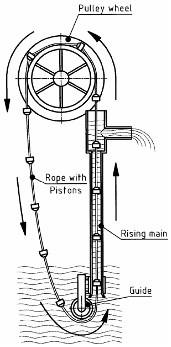
This ultra-low-cost system mimics traditional rope pumps using common materials available at hardware stores. You will need a 1½-inch PVC pipe and cap, a 1¼-inch hex bushing, a foot valve, 150 feet of marine rope, PVC glue, and a 1¼-inch drill bit. Total cost runs approximately $30, less if you reuse rope.
Drill a ¼-inch hole in the PVC cap and smooth the edges to prevent rope wear. Insert the hex bushing and screw the foot valve inside from beneath. Thread the rope through the pipe and cap, then glue the cap to the pipe. Let it cure for one hour before use.
Submerge the unit at least 6 feet below the water level. Pull the rope upward to operate it like a reciprocating pump. The foot valve opens on the downstroke to allow water entry, then closes on the upstroke to force water up the pipe. Expect approximately one gallon every three pulls. This system works best in 70 to 90 foot wells but may stir up sediment from the well walls.
Water often appears murky due to stirred particles. Use a LifeStraw for immediate drinking, Berkey or Sawyer filters for household use, or boil water if the source is uncertain.
Power Your Existing Pump with a Generator

If you already have a submersible or jet pump, a generator can keep it running during outages. Match your generator to the pump’s voltage, either 120V or 220V. Ensure surge capacity is 2 to 3 times the running wattage. Use a transfer switch to prevent dangerous backfeeding into the grid.
Small pumps work well with 1,000 to 2,000 watt inverter generators. Larger 220V pumps require 5,000 watt or higher conventional units. One user reported using a generator wired to their pump for over 4 years to fill cattle troughs successfully.
The advantages include fast, high-volume water delivery and maintaining household pressure and plumbing. The disadvantages include ongoing fuel requirements, noise, fumes, and unsustainability for long-term use. This method works best for temporary outages or backup during solar or wind lulls.
Switch to Solar-Powered Water Pumping for Off-Grid Living
Solar is the gold standard for off-grid, sustainable water access. Systems like the Grundfos SQFlex can pump from over 500 feet using only sunlight. Components needed include solar panels producing 300 to 1,000 watts or more, an MPPT charge controller, a battery bank using AGM or lithium batteries, and a DC submersible pump.
One user reported having three solar wells and described them as like magic. Panels should face true south in the Northern Hemisphere. Use elevated storage tanks for gravity-fed pressure at night. Batteries allow pumping during cloudy periods. Expect 1 to 5 gallons per minute output depending on sun exposure.
The upfront costs are significant. Grundfos systems run $1,500 to $3,000 or more. Solar panel kits cost $500 to $2,000. Battery banks add $300 to $1,500. The long-term benefits include no fuel costs, silent operation, and minimal maintenance.
Use a Wind-Powered Water Pump for Rural Properties
In windy areas with average speeds exceeding 10 miles per hour, windmills offer a fuel-free, long-lasting solution. The blades spin a crankshaft that drives a piston pump down the well. Water is pushed to an elevated storage tank for continuous gravity-fed supply.
Windmills remain common on ranches for cattle watering. They fill tanks slowly but continuously and work day and night with consistent wind. One user confirmed they are still used on their ranch and many others.
Wind-powered systems require a tall tower of 20 to 40 feet. Gears, seals, and bearings need periodic lubrication. You may need zoning permits for installation. Pair with a gravity-fed system for household pressure. These systems work best for rural and livestock applications rather than high-demand household use.
Try the Siphon Method for Shallow Surface Access
A siphon uses atmospheric pressure to pull water through a hose from higher to lower elevation. The water source must be higher than your discharge point. The hose must be primed, meaning completely filled with water. The downhill run must be longer than the vertical lift for the siphon to maintain flow.
This method applies to wells only if water is near the surface. Use a check valve on the intake end to prevent backflow. Works if you can lower a hose to the water level and run it over a hill or structure. The limitations include inability to lift water upward and ineffectiveness in deep or sealed wells.
Test the Air Pressure Method for Experimental Use
Use an airtight drum and air compressor to force water up the well pipe. Seal a 55-gallon plastic drum over the well head. Install an air line and valve stem. Pressurize to 100 to 150 psi using a manual or solar-powered compressor. The air pushes water up through the discharge pipe.
This method can be paired with a solar mini-compressor for automation. There is risk of over-pressurization or leaks. Use pressure relief valves and inspect seals regularly. Limited real-world data exists on long-term reliability, making it best for experimental or hybrid use.
Explore Pedal or Drill-Powered Pumps
While not widely commercialized, pedal-powered pumps use bicycle motion to drive a centrifugal or piston pump. Link pedals to a gear box and pump shaft. Use portable power stations like Jackery or EcoFlow to run small AC pumps. One user reported using their hand pump alongside several small DC and AC pumps with portable power stations.
Challenges include requiring custom fabrication and inefficiency for deep wells. Output remains limited compared to solar or hand pumps. This method works best for short-term or educational use rather than primary water supply.
Install a Hydraulic Ram Pump for Moving Flowing Water
A hydraulic ram pump uses the energy from falling water to push a portion uphill. However, it cannot extract water from a static well. The drive pipe requires a water source with vertical drop, and ram pumps need continuous flow of water to operate.
This method works best for moving water from a spring or creek to a storage tank uphill. It is not applicable for extracting water from a still well source. Use case involves transporting water uphill without electricity or fuel from a moving water source.
Add Rainwater Harvesting as a Complementary Backup
While not a well-pumping method, rainwater harvesting reduces reliance on wells. Components include roof catchment, gutters and downspouts, storage like barrels or cisterns, and filtration using mesh, carbon, or UV systems.
Benefits include renewable, free water source that can supply irrigation, laundry, or drinking with treatment. Limitations include reduced supply during drought, requiring filtration for potable use, and potential permit requirements. This method works as an excellent complement to well-based water systems.
Combine Methods for Redundancy and Reliability
Relying on one method is risky. Experts recommend at least two backup systems. A recommended setup includes a primary solar pump with battery and elevated tank, a secondary deep-well hand pump like Bison or Simple Pump, and a tertiary bucket and rope for emergencies.
Pump water into an elevated storage tank. Gravity provides pressure for showers, sinks, and irrigation. This works with solar, wind, or generator-powered filling. One user confirmed keeping their above-ground storage full using a pump that runs on solar.
Maintain and Test Your System Monthly
Even the best system fails without regular maintenance. Hand pumps require annual lubrication of moving parts. Clean solar panels every 1 to 3 months. Test generators monthly and change oil and spark plugs regularly. Check well caps for cracks or animal intrusion.
If no water output occurs, check your power source whether sun, wind, or fuel. Ensure the pump is primed. Look for clogs or frozen lines. For low pressure, test the pressure tank air charge and evaluate well yield in case the water table has dropped. Clean filters and valves. If the pump won’t prime, the foot valve may be clogged, there could be an air leak in the suction line, or a rope-and-washer pump may need reseating.
Final Recommendations by Specific Situation
For emergency preparedness in urban or suburban areas, use a generator or portable power station as primary, install a deep-well hand pump as backup, and keep bucket and rope ready as tertiary option. For off-grid homesteading, use a solar pump with battery and elevated tank as primary, windmill or hand pump as secondary, and bucket system as tertiary.
For ranch or livestock operations, use a wind-powered pump with storage as primary, generator for calm periods as backup, and hand pump at secondary well as tertiary. For deep wells exceeding 250 feet, avoid low-end hand pumps that fail at depth. Solar DC pumps like Grundfos are most reliable. Generator backup is practical if fuel supply is secure.
Frequently Asked Questions About Pumping Well Water Without Electricity
What is the easiest way to get water from a well without electricity?
The simplest method is the bucket and rope technique. Lower a bucket on a strong rope into the well, let it fill, and haul it up manually. This requires no special equipment and works in any depth well with adequate diameter.
Can I pump water from a 200-foot deep well by hand?
Yes, but you need a high-quality deep-well hand pump rated for that depth, such as a Bison or Simple Pump rated to 325 feet. Standard hand pumps will struggle to maintain a water column at that depth, and pumping becomes physically exhausting after just a few minutes.
How much does a solar well pump system cost?
A complete solar pump system costs between $2,000 and $7,000 depending on depth capacity and battery storage. Grundfos SQFlex systems range from $1,500 to $3,000, solar panels add $500 to $2,000, and battery banks cost $300 to $1,500.
Does the rope-and-washer pump actually work?
Yes, the DIY rope-and-washer pump works and costs only about $30 to build. It produces roughly one gallon every three pulls and works best in wells 70 to 90 feet deep. Water will be murky and requires filtration before drinking.
What is the best backup water system for off-grid living?
Solar-powered DC pumps with battery backup and elevated storage tank are considered the gold standard for off-grid living. Pair this with a deep-well hand pump for redundancy. This combination provides sustainable daily water access plus emergency backup.
Can I use a generator to run my existing electric well pump?
Yes, a generator can power your existing electric pump if properly sized. Match the generator voltage to your pump, ensure surge capacity is 2 to 3 times running wattage, and use a transfer switch to prevent backfeeding. This works well for temporary outages but requires ongoing fuel supply.
Key Takeaways for Pumping Well Water Without Electricity
The best method for your situation depends on well depth, water needs, and budget. For shallow wells under 30 feet, bucket retrieval or siphon methods work fine. For deep wells over 100 feet, invest in quality deep-well hand pumps or solar DC systems. Redundancy matters: combine solar for daily use, a hand pump for reliability, and a bucket for emergencies. With the right setup, you can access clean water from your well without electricity regardless of power outages or off-grid living situations.